For Boston City Residents
Model Portfolio Photographer for Boston City Residents
A practical guide for Boston city residents booking a model portfolio session at our Rockland studio — neighborhood-specific commute times, T and Greenbush line access, parking notes, and what to expect from the shoot. For the comprehensive pricing tiers and service overview, see our full model portfolio service page.
Boston Neighborhood Commute Guide
Getting to the Rockland Studio from Boston Neighborhoods
The most common question from Boston city residents booking a portfolio session is how to actually get to the studio. The studio is at 83 E Water Street, Rockland — south of the city, with road and rail access from every Boston neighborhood. Here's what the commute actually looks like, by where you're leaving from:
From Back Bay, South End, Beacon Hill (downtown). 25–35 minutes by car via I-93 South to Route 3 South. Mid-day and weekend traffic is light; rush-hour out of Boston (4–6 PM weekdays) adds 10–15 minutes. T users: take the Red Line to Quincy Adams, then a ~12-minute Uber/Lyft (~$15–20). Total door-to-door from Back Bay: ~50 minutes.
From Cambridge, Somerville.30–40 minutes by car, depending on whether you're crossing the river at peak times. The drive is straightforward via Storrow Drive to I-93 South. T users: Red Line from Harvard/Davis to Quincy Adams, then short rideshare.
From Jamaica Plain, Roxbury, Dorchester.25–30 minutes by car via I-93 South — actually the easiest Boston-to-Rockland commute. From JP, you're south of most peak traffic to begin with. Red Line users from Forest Hills/Roslindale: take the Orange Line to Downtown Crossing, transfer to Red, then off at Quincy Adams.
From Allston, Brighton, Brookline.30–40 minutes by car. The drive goes through downtown to reach I-93 South, which adds time at rush hour. Worth timing the session for an off-peak slot if you're driving in.
From East Boston, Charlestown, Chelsea. 35–45 minutes by car. The Tobin Bridge to I-93 South route is the most direct. Rush-hour traffic on the inbound side of the bridge can add significantly.
Greenbush commuter rail option. The Greenbush line runs from South Station through Quincy and Weymouth, with stops at North Scituate, Cohasset, and Greenbush. Several models from Dorchester and the Seaport take the Greenbush to Greenbush station, then a 15-minute Uber to the studio — total trip ~75 minutes, but useful for models without cars who want to avoid the rideshare cost of a full ride from Boston.
Parking at the studio. Free on-site parking. Not paid metered street parking, not a parking garage that adds $30 to the session. Free.
Why book a Rockland studio instead of a Boston city studio? Three reasons: (1) the studio is set up specifically for headshot and portfolio work, with calibrated strobe systems and multiple backdrop colors rather than the multi-purpose space most Boston studios offer; (2) free parking, which sounds minor but removes 20–40 minutes of search-and-pay friction from the session day; (3) free on-site parking and no city garage fees, with sessions from $395 that include retouching and a commercial use license. The trade-off is the 25-minute drive south — for most Boston-area models the math works out in favor of the South Shore studio, but it depends on your specific timing constraints.
Boston agencies have seen every variation of phone selfies and backyard shoots. What gets models in the door is a portfolio that looks professional, shows range, and makes casting easy — images that are clean enough for commercial work and interesting enough for editorial. That requires intentional lighting, an experienced photographer, and a studio that is actually equipped for it.
Photography Shark produces agency-submission portfolios for models targeting the Boston and New England market. The studio is in Rockland, 35 minutes south of downtown Boston — Godox strobe systems, multiple backdrops, and enough space to work full-length without cramping the frame. On-location sessions in Boston are available for clients who want urban architectural context in their books.
Every session is built around your specific goals. First book, comp card, commercial update, or editorial expansion — we discuss what you have, what you need, and what agencies in this market actually look for before we shoot a frame.
Session Types
Boston Model Portfolio Options
First Book
Clean headshot, commercial look, editorial look, full-length. Built for agency submissions from models with little or no existing portfolio.
Comp Card Shoot
Main image plus 3–4 supporting looks formatted for agency comp cards. Studio and on-location combinations available.
Commercial Portfolio
Lifestyle, product, and brand-adjacent looks for models targeting commercial clients and advertising work.
Editorial Portfolio
Fashion-forward, concept-driven images for models targeting editorial clients, magazines, and creative agencies.
Portfolio Update
For working models refreshing existing books. We assess what you have, identify gaps, and shoot to fill them.
Studio Location
25 Minutes from Boston via Route 3
Studio at 83 E Water Street, Rockland MA 02370. Free parking, full strobe setup, space for full-length work. On-location Boston sessions available. Call or text (781) 312-8824 or use the contact form.
FAQ
Boston Model Portfolio Questions
How much does a model portfolio cost in Boston?
Photography Shark model portfolio sessions start at $395, with a studio session in Rockland MA — 35 minutes south of Boston via Route 3. Pricing scales with shoot length, number of looks, and retouching scope. On-location sessions in Boston are also available; contact us for custom pricing on extended portfolios with multiple looks.
What should a first model portfolio include?
A first book typically needs: a clean headshot, a three-quarter or full-length shot, at least one commercial look, and one editorial or fashion look. Comp cards require a main image plus 3–4 supporting images. We discuss your agency targets before the session and build the shot list around their submission requirements.
Do you shoot model portfolios for Boston agencies?
Yes. Photography Shark produces agency-submission portfolios for models targeting Boston and New England agencies. We are familiar with standard submission formats and build each portfolio around what agencies in this market actually look for — clean, versatile images that show range without overstyling.
How far is your studio from Boston for model portfolios?
Photography Shark is at 83 E Water Street, Rockland MA 02370 — approximately 35 minutes south of downtown Boston via Route 3. Free on-site parking. On-location model portfolio sessions in Boston are also available for clients who want urban or architectural backgrounds.
Can I get both a model portfolio and actor headshots in one session?
Yes — combined sessions are available. Many clients pursuing both modeling and acting careers book extended sessions that cover their headshot requirements alongside portfolio looks. Contact us to discuss session length and pricing for combined bookings.
Further Reading
Featured Client Portfolios
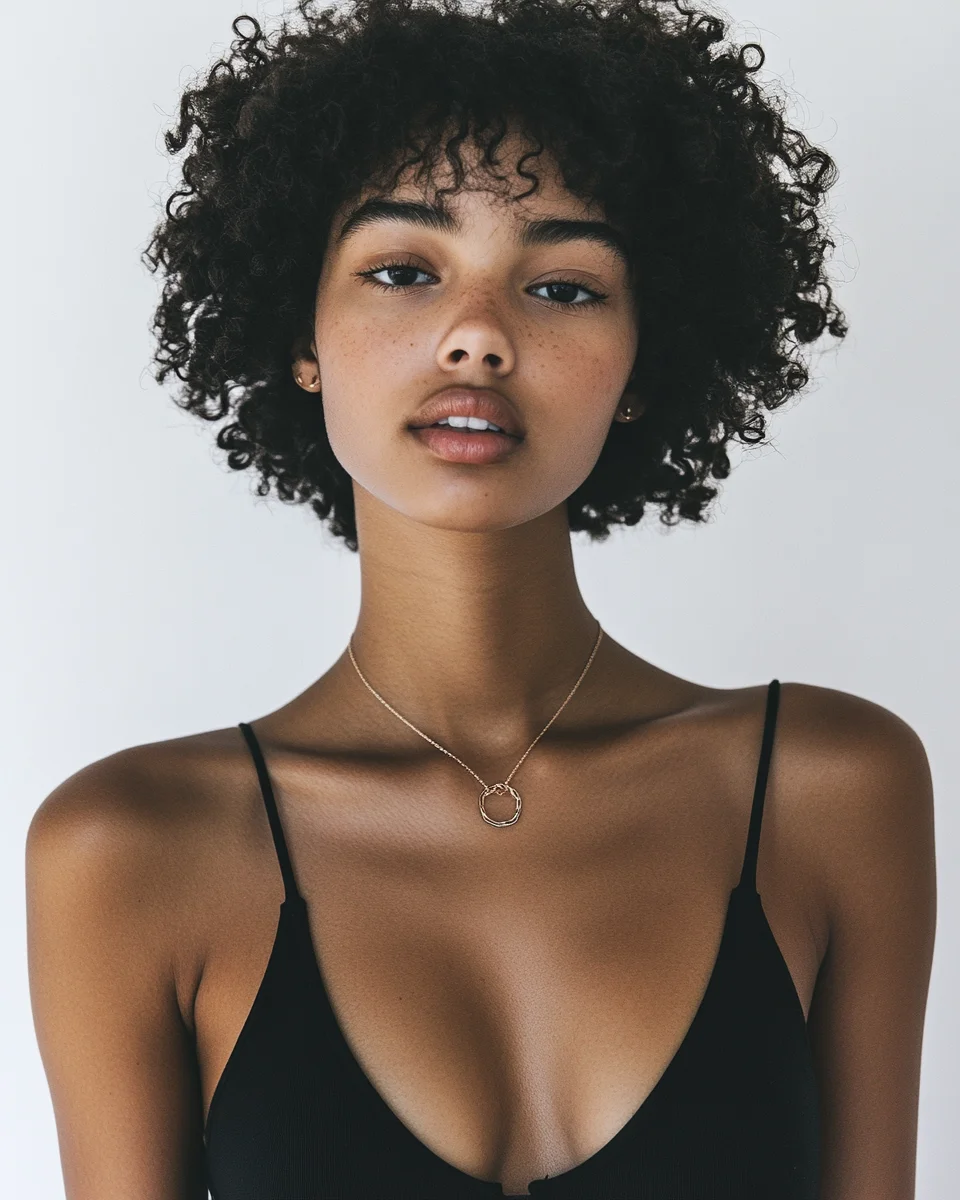
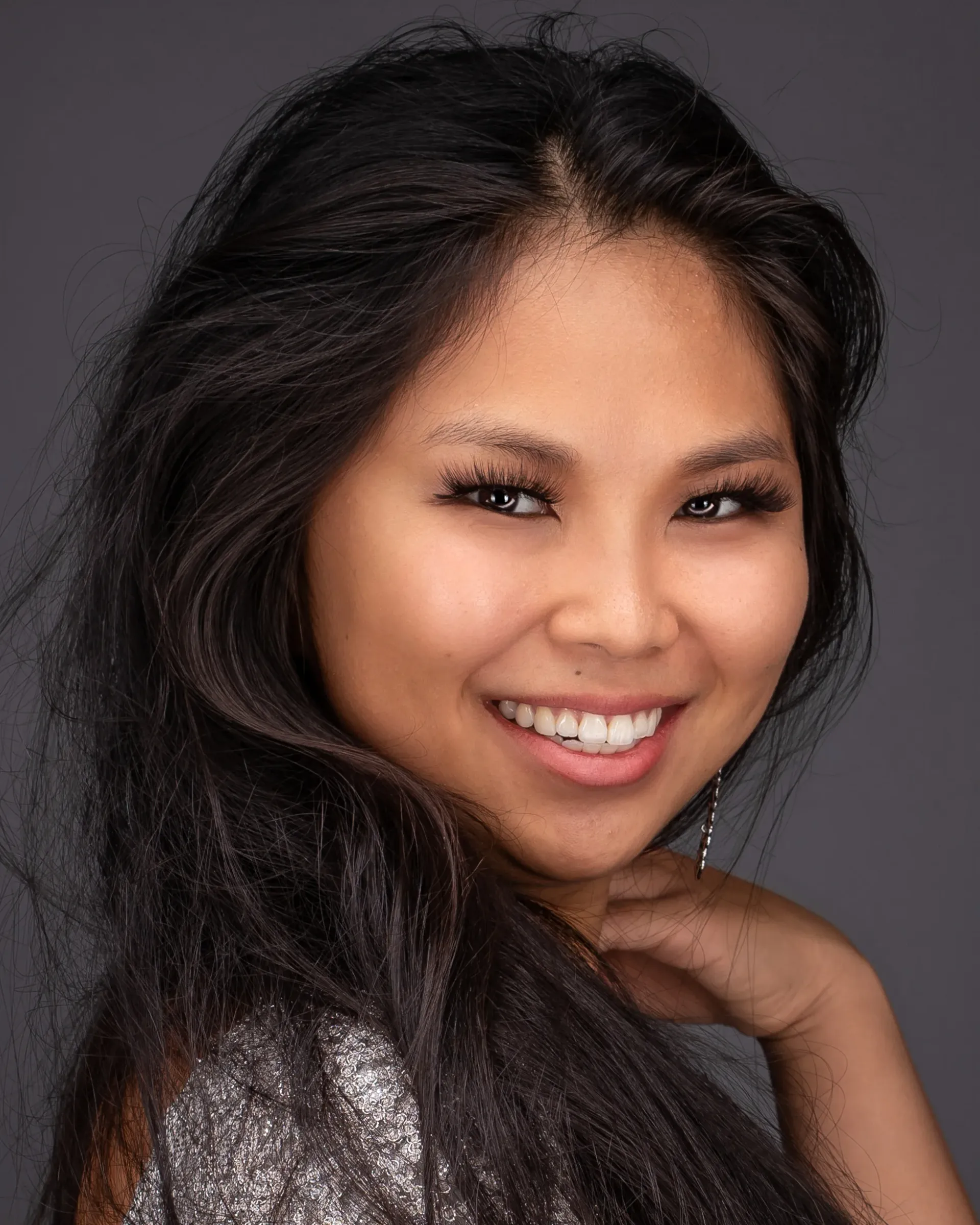
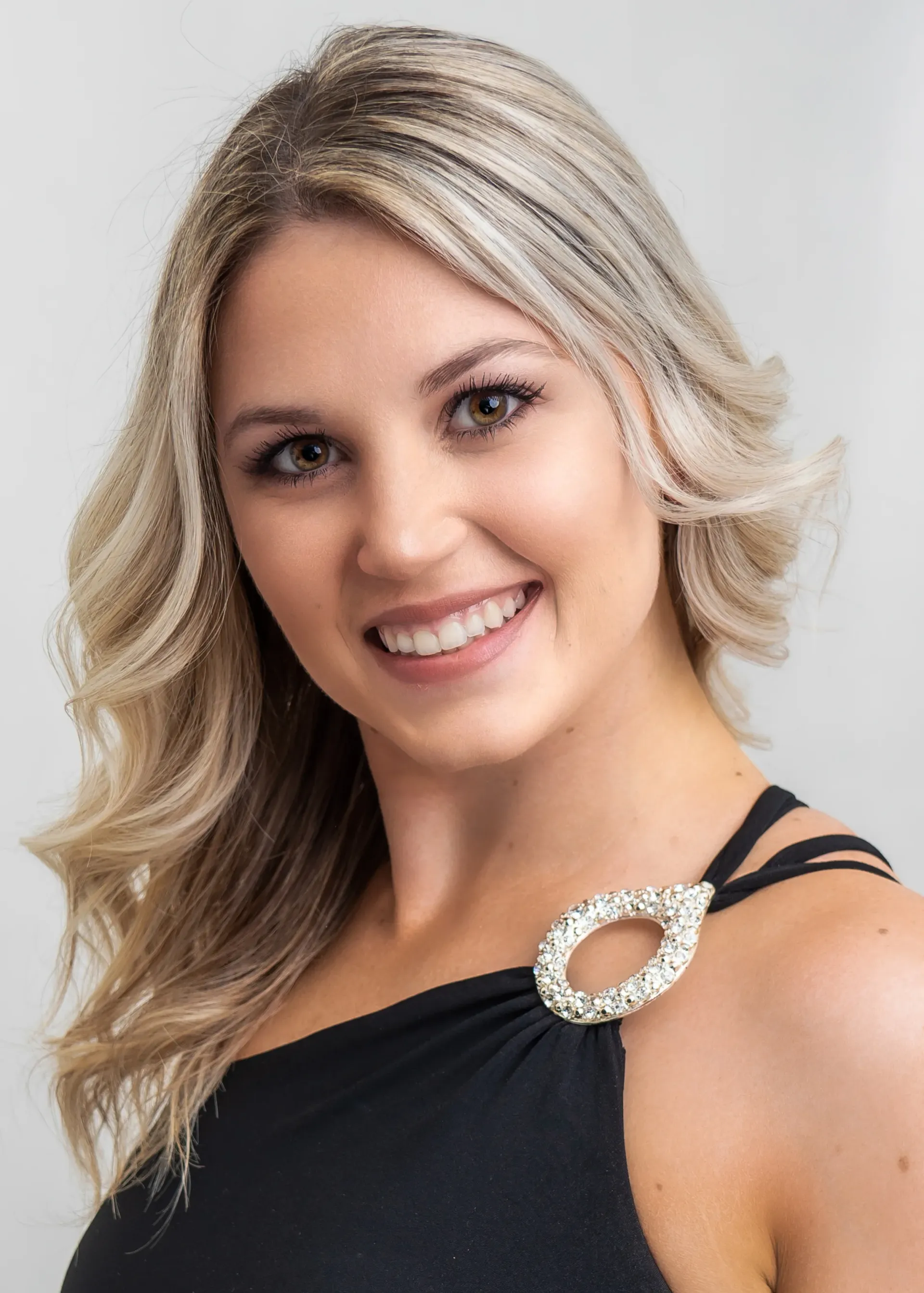
Recent model portfolios photographed at Photography Shark. Each featured client’s session ran the full commercial-to-editorial range outlined above.
Book Your Session
Ready to Build Your Boston Model Portfolio?
Agency-submission portfolios from $395 (Bronze: 45 minutes, 10 fully retouched images). Studio 35 minutes south of Boston in Rockland MA, or on-location anywhere in the city.