
Photography Tips
Honest Advice for Aspiring Models: The Realities No One Tells You
The honest realities of aspiring to model — how little you earn at first, who pays whom, rejection as routine, body-image pressure, and the long timelines. A mindset reality-check from a Boston studio photographer.
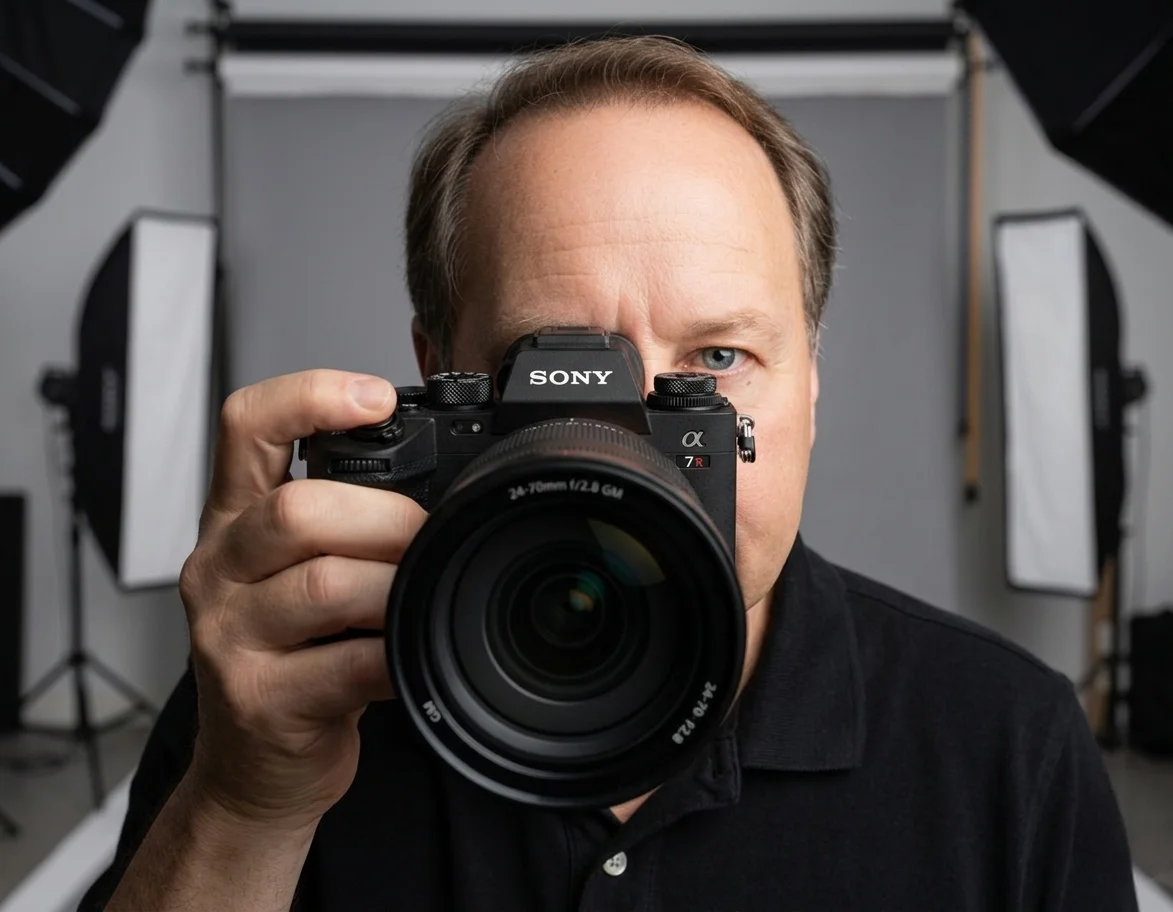
Chris McCarthy
Professional Photographer, Photography Shark · October 10, 2023 · Updated May 28, 2026
Most advice for aspiring models is a to-do list — build a portfolio, find an agency, take good photos. That's the useful, tactical stuff, and I cover it elsewhere. This post is different. This is the conversation I end up having with people in my Rockland studio after the camera's off, when someone says, "Can I ask you something honestly?" and I tell them the parts of modeling that nobody puts on Instagram.
I've been photographing models at every career stage for over a decade — first-timers shaking with nerves, working commercial models, people who chased this for two years and walked away. What I've watched, over and over, is the gap between what people expect modeling to be and what it actually is. That gap is where most aspiring models get hurt, lose money, or quit. So before you spend a dollar or send a single submission, here's the honest version.
The Money Reality: At First, You Earn Almost Nothing
This is the one that surprises people most, so I'll say it plainly: when you start, you usually don't make money. You spend it.
Your first shoots are often "test" shoots — unpaid, or trade, where you and a photographer build each other's portfolios for free. Your first agency-placed jobs, if you get an agency, tend to be sporadic. A booking here, a booking there, with long quiet stretches in between. I know models with real agency representation in the Boston market who go a month or two without a paid job. That's normal, not a sign you're failing.
So here's the honest math: you need a separate, stable income source. For most people, modeling is not a full-time living for a long time — and for many, it never becomes the main paycheck at all. The ones I've seen burn out fastest are the ones who quit their job to "go all in" on modeling before they'd booked anything. Don't do that. Keep your rent covered another way and let modeling grow on top of a stable base.
There's also a cost most people don't budget for: the unpaid hours. The casting calls you drive into Boston for and don't book. The self-tapes and submissions that go nowhere. The shoot days that are genuinely long — early call times, hours of waiting, more waiting, and then a burst of actual work. When you divide your eventual pay by the real hours invested, especially in year one, the hourly rate is humbling. None of this means it's not worth doing. It means you should go in with clear eyes about what you're trading, so the math never blindsides you into resentment.
Who Pays Whom — and How Money Should Flow
A lot of exploitation in this industry hides behind confusion about money. So let me make the legitimate flow simple: clients pay the agency, the agency pays you and keeps a commission — usually around 15 to 20 percent. That's it. That's how real representation makes money.
You will invest in your own portfolio photography upfront, and that cost is genuinely yours, not the agency's. Building professional images is the price of entry, and it's a real, honest expense. But notice the difference: you pay a photographer you chose for photos you own and use everywhere. You do not pay an "agency" a fee to be represented, and you do not let anyone steer you to their affiliated photographer as a condition of signing.
If anyone — an "agency," a "scout," a "manager" — asks you for money to represent you, that is not a career opportunity. That's the business model of the scam, and I wrote a separate breakdown of exactly how those play out in the modeling scams and red flags every model should know. Read it before you sign anything.
Rejection Isn't an Event — It's the Job
Here's something nobody tells you up front: rejection isn't the occasional setback in modeling. It is the routine. The working rate is something like a "no" most of the time, even for good, established models.
And almost none of it is about you in the way you'll be tempted to assume. You were the right look but the client wanted darker hair. You were their close second to someone they'd already worked with. The campaign changed direction. The shoot got canceled entirely. You will sit in a casting, do everything right, and never hear back — and the reason will have nothing to do with your worth.
The emotional skill modeling actually requires is letting individual rejections be noise. The people who last aren't the ones who get rejected least; they're the ones who don't bleed out over each no. Because I get asked about this so often, I wrote a full guide on managing modeling rejection after an agency says no — the mental moves and the practical playbook. If rejection is the thing you're worried you can't handle, start there, honestly, before you start anything else.
The Body-Image Pressure Is Real — Protect Yourself From It
Modeling is, by definition, a business that evaluates your appearance professionally and constantly. Photographers, clients, and agents will discuss your face and body the way a contractor discusses materials. It's not personal to them. It can feel intensely personal to you.
I've watched genuinely lovely people start to see themselves only as a set of measurements and "flaws," and it's one of the saddest things about this industry. So I'll tell aspiring models the same thing every time: the camera's opinion of your look is professional feedback about a product, not a verdict on your value as a person. The day you stop being able to separate those two things is the day modeling starts costing you more than it pays.
There's a specific version of this that catches people off guard: comparison. The moment you start modeling, you'll be surrounded — in castings, on agency rosters, all over your feed — by other people doing the same thing, and it's almost impossible not to measure yourself against them. But casting is not a ranking of who's "best looking." It's a search for a specific fit for a specific brief, and the person booked instead of you was simply closer to what that one client pictured. Treating it as a leaderboard is a fast track to misery, because there's always someone taller, younger, or more booked. The work is fit, not hierarchy.
Build a life that isn't about how you photograph. Keep people around you who knew you before any of this. The model who has a sense of self that doesn't depend on the next booking is the one who survives the appearance-focus with their head on straight.
Avoiding Exploitation: Trust Your Gut, Bring a Friend
The combination of young people, the promise of glamour, and an unregulated industry attracts predators. I want you to be excited about modeling and also genuinely careful. A few non-negotiables I give everyone:
- Money only flows toward you from legitimate work. Anyone asking you to pay to be represented is a red flag, full stop.
- Never sign what you don't understand. Vague contracts, pressure to sign "today," and "trust me" instead of clear terms are all warnings.
- Bring someone you trust to early meetings and shoots, especially as a beginner. Legitimate professionals have zero problem with this. The ones who push back on it are telling you something.
- You're allowed to leave. If a shoot pressures you past the limits you stated — wardrobe, content, anything — you can stop and walk out. A real professional respects your boundaries. Anyone who doesn't has just shown you who they are.
This isn't paranoia. It's the same caution you'd use in any situation where someone has something you want and offers a shortcut to get it.
The Timelines Are Long — Much Longer Than You Think
Almost everyone who contacts me about getting into modeling is imagining a timeline of weeks or a few months. The real timeline is measured in years.
Building professional materials, figuring out which agency actually fits you, getting signed, booking work, and slowly developing a reputation that makes people want to rebook you — that's slow, unglamorous work. The Boston and South Shore market is small enough that it can feel like nothing is happening for a long stretch before anything moves. That quiet period isn't a sign it's not working. It's the part everyone goes through and most people quit during.
Why Most Aspiring Models Quit (and Who Doesn't)
If you put the realities together — slow money, constant rejection, appearance pressure, long timelines — you can see why most people who say they want to model don't last. They fell in love with the idea of being a model: the glamour, the photos, the validation. The actual day-to-day is an unglamorous grind, and the idea doesn't survive contact with it.
The people I've watched build something real have one thing in common: they genuinely enjoy the work itself. They like being on set. They like the craft of it. They'd still show up even on the days it isn't glamorous, because the doing of it is the reward, not the fantasy around it. If that's you, the realities in this post are survivable and the long road is worth walking. If you only want the highlight reel, this industry will exhaust you before it pays you.
There's no shame in deciding it's not for you, either. Some of the smartest conversations I've had in my studio ended with someone realizing, out loud, that they loved the idea of modeling more than they'd love the reality of it — and choosing not to pursue it. That's not a failure. That's exactly the kind of honest self-assessment that would have saved a lot of other people money and heartache. The point of laying all this out isn't to scare you off. It's to make sure that if you say yes, you're saying yes to the real thing.
So Where Do You Actually Start?
If you've read all of that and you still want in — good. That clear-eyed yes is worth more than blind enthusiasm. The next step is the tactical, concrete work, and I keep that in separate guides so this one can stay focused on the mindset:
- For the concrete pre-agency action list, see my top tips for aspiring models.
- For the local step-by-step process in our market, read how to become a model in Boston.
When you reach the point of building actual materials, that's where I come in. A model portfolio session built for agency submission gives you the professional images that are the honest, legitimate cost of entry — the kind you own and use everywhere, with no agency strings attached.
Ready to Talk Honestly About Whether This Is for You?
If you're weighing whether to pursue modeling and want a straight, no-hype assessment before you spend anything, reach out through the contact page. I'd rather tell you the realities up front than photograph a portfolio for someone who's about to be disappointed by an industry nobody warned them about.
Frequently Asked Questions
How much do new models actually earn when they start out?
At first, often very little — and sometimes nothing. Early test shoots are frequently unpaid or trade, and your first agency-placed jobs may be sporadic. Most new models in the Boston market need a separate income source for a year or more before modeling pays consistently, if it ever becomes their main income at all.
Who pays whom in legitimate modeling?
Clients pay agencies, agencies pay you and take a commission of roughly 15–20%. You never pay an agency to be represented. You do invest in your own portfolio photography upfront — that cost is yours, not the agency's — but any "agency" charging upfront representation fees is a scam, not a career.
How long does it take to build a modeling career?
Years, not months. Most aspiring models expect quick results and quit when they don't arrive. Building professional materials, finding the right agency, getting booked, and developing a reputation is slow work. The people who succeed are usually the ones who stayed in long after the initial excitement wore off.
Is rejection in modeling personal?
Almost never. You get rejected for hair color, height, the client's changed direction, or simply because someone else was a closer fit. The job is built on constant rejection, and reading meaning into each one burns people out fast. I cover this in depth in my modeling rejection guide.
How do I avoid being exploited as a new model?
Trust nobody who asks for money to represent you, never sign anything you don't understand, and bring someone you trust to early meetings and shoots. Legitimate work has clear terms and professional boundaries. If a shoot feels wrong or pressures you past your stated limits, you are allowed to leave.
Why do most aspiring models quit?
Because reality doesn't match the fantasy. The money is slow, the rejection is constant, the timelines are long, and the appearance-focus is draining. Most people imagined glamour and got an unglamorous grind. The ones who stay are the ones who genuinely enjoy the work itself, not just the idea of being a model.
How old is too old to start modeling in Boston?
Commercial modeling is not age-capped the way fashion modeling is perceived to be. Boston agencies actively seek commercial talent across a wide age range — mature faces are in demand for advertising that targets adult consumers, which is most advertising. Many successful commercial models start in their 30s, 40s, and beyond.
Where is Photography Shark located, and can I get an honest assessment first?
The studio is at 83 E Water Street, Rockland, MA 02370, serving aspiring models from Boston, Hingham, Quincy, Plymouth, Scituate, Marshfield, and surrounding South Shore towns. Reach out through the contact page for a straight, no-hype conversation about whether modeling fits your goals before you invest in portfolio photography or approach any agency.
Related Posts

Photography Tips
Before Your First Agency Submission: A New Model's Action Checklist

Photography Tips
How Much Do Models Actually Make in Boston?

Photography Tips
What Are Some Must Have Wardrobe Pieces for Models in Boston

Photography Tips
Choosing and Booking Your First Modeling Studio Session in Boston

Photography Tips
Personal Branding for Models
Photography Tips
How to Avoid a Double Chin in Photos: A Photographer's Guide
You Might Also Like
About the Author
Chris McCarthy
Chris McCarthy has run Photography Shark Studios in Rockland, MA for over 10 years and 500+ sessions, with executive headshot work for Rockland Trust, Clean Harbors, M&T Bank, and McCarthy Planning; founder portraits for AI startups including Lowtouch.ai; product photography for South Shore brands like Lauren's Swim; and headshots across South Shore legal, medical, financial, and academic practices. Every session is personally shot and edited by Chris on Sony mirrorless and Godox strobe systems — no assistants, no outsourcing, no batch retouching. Galleries deliver in 3–5 business days. More about the photographer →
Photography Shark · Boston & South Shore MA
Ready to Book a Session?
Professional headshots, senior portraits, boudoir, and model portfolios. Studio in Rockland, MA — 25 miles south of Boston. Sessions from $395.