Boston, Massachusetts
Actor Headshots Boston, MA
Theatrical and commercial actor headshots for Boston casting submissions. Studio 35 minutes south in Rockland, or on-location anywhere in the city.
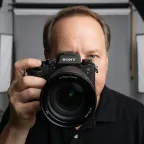
Chris McCarthy
Professional Photographer · 10+ years · 500+ sessions
About the Session
Boston Actor Headshots That Hold Up Against NY & LA Submissions.
Boston’s acting community competes against New York and Los Angeles for the same casting calls. That means your headshots have to hold up at that level — in lighting, expression range, and how well they read on a small thumbnail in a casting director’s inbox. A phone portrait or a quick studio chain shoot doesn’t cut it.
Photography Shark is 35 minutes south of downtown Boston via Route 3 — close enough to be a local studio, far enough that you get free parking and a full strobe setup you won’t find in a city rental space. Every actor session covers both theatrical and commercial looks so you leave with images that work across multiple submission types without booking a second session.
Sessions are 30 minutes ($395) for one look, or 60 minutes ($495) for theatrical and commercial looks. You’ll shoot multiple expressions and wardrobe looks against clean backdrops calibrated for the format your agent or casting director actually requests. All 10 retouched images are delivered within 3–5 business days and are cleared for use on Actors Access, Casting Networks, and agency submissions. Images are exported to meet SAG-AFTRA headshot guidelines and the platform-specific upload specs for Casting Networks and Backstage, so you are not reformatting files after delivery. Parents booking for a younger performer should see headshots for child and teen actors, paced for ages 4–17.
The Standard
What Makes a Professional Acting Headshot
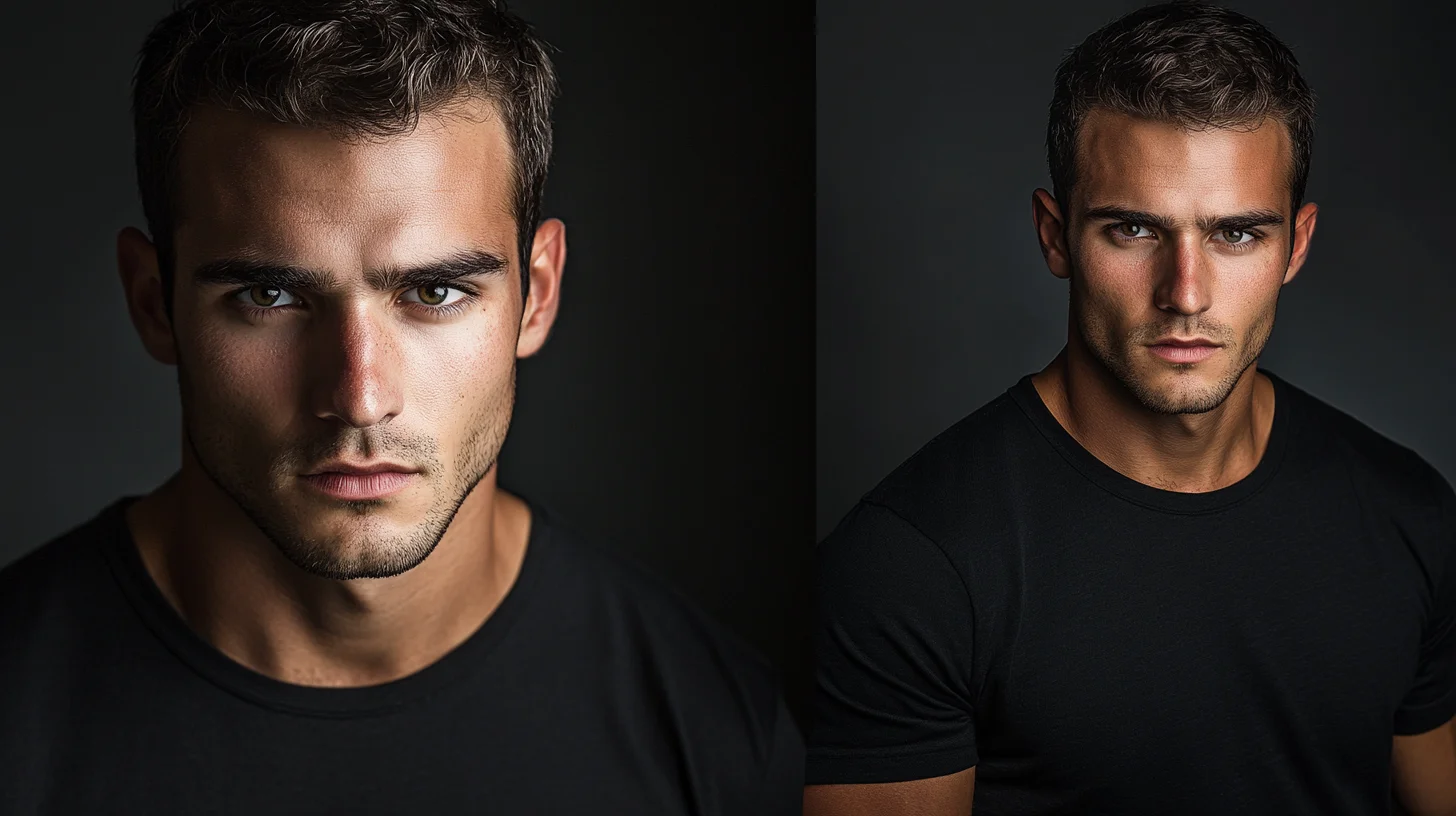
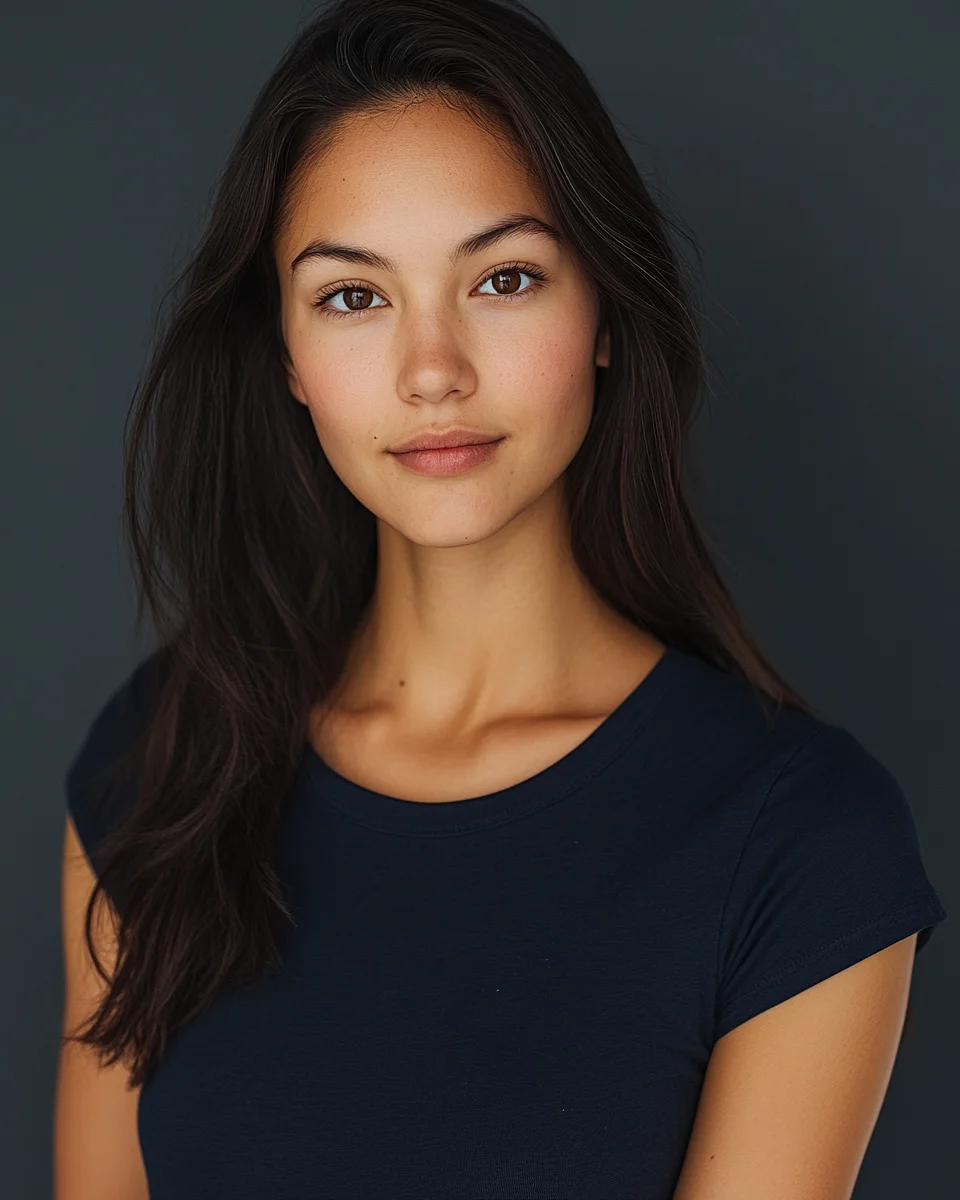
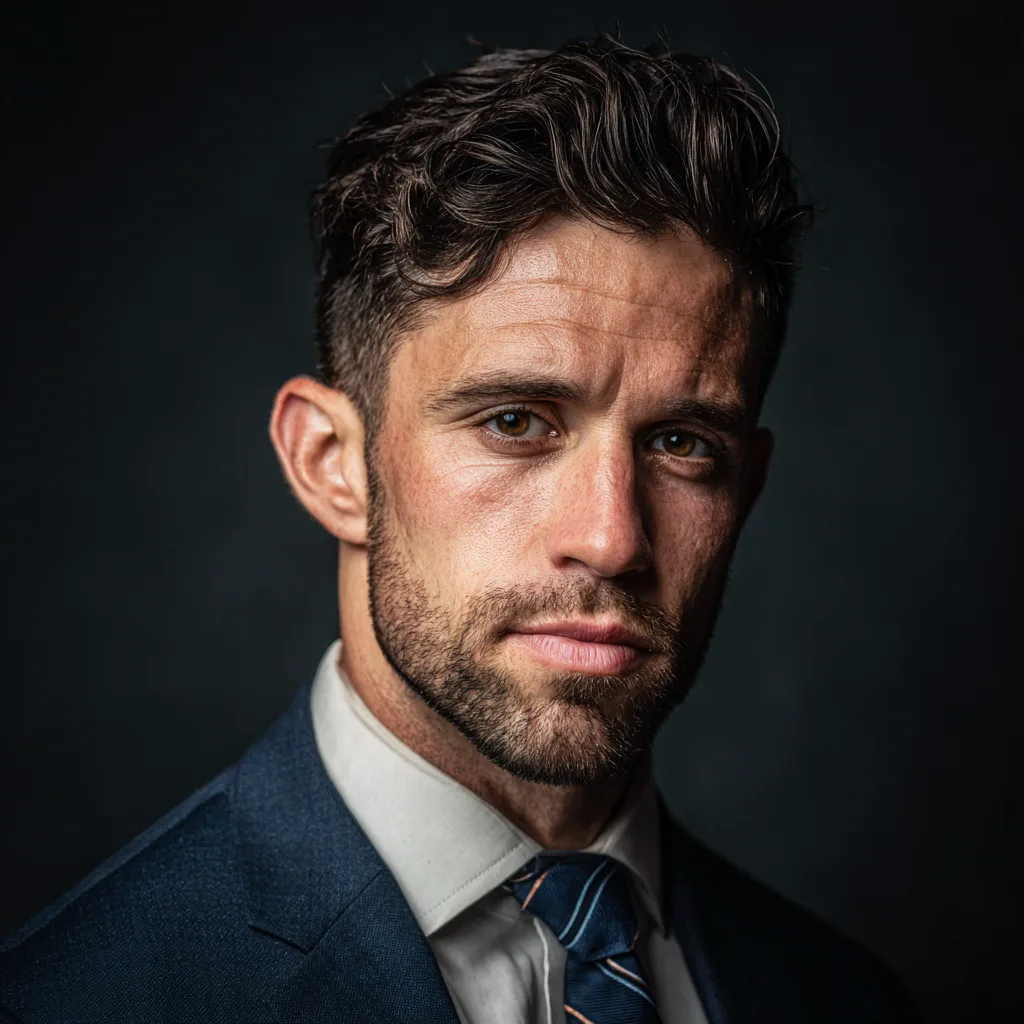
I get asked all the time what separates a professional acting headshot from a nice photo a friend took. The honest answer is that casting directors can tell in about half a second, and the difference is almost never the actor — it’s the craft behind the camera. A professional acting headshot is built around the eyes. The lighting puts a clean catchlight in them, the focus is sharp on them, and your expression carries a single, readable intention rather than a frozen smile. That’s what makes a face feel alive on a screen the size of a postage stamp.
The amateur version usually gives itself away in the small things: flat phone lighting that flattens the face, a busy background or loud shirt that pulls the eye away from you, or retouching so heavy you no longer match the person who walks into the audition room. Professional acting headshots avoid all of that on purpose. I shoot head-and-shoulders to the industry standard, keep wardrobe and color neutral so nothing competes with you, and retouch to keep your real skin and the way you actually look — because a headshot that doesn’t match you in the room costs you the callback.
Why it matters comes down to how casting works now. Your headshot is the first and often only thing a casting director sees on Actors Access, Casting Networks, or Backstage before deciding whether to open your profile. It has to survive the thumbnail, communicate your type instantly, and then still hold up at full size. A genuinely professional acting headshot does both jobs at once, and that’s the bar I shoot every actor session to here in Rockland — theatrical and commercial, in a single sitting, ready to submit.
Lighting Setups
Boston Actor Headshot Looks
Each look is calibrated differently. We’ll discuss your type and the submissions you’re building toward before we start shooting.
’Theatrical’
’Dimension and contrast that holds up on stage and in dramatic submissions. Rembrandt and loop lighting setups calibrated for character depth.’
’Commercial’
’Open, approachable, and friendly. Broad softbox or clamshell lighting for the clean, commercial look that agents and brands want.’
’On-Camera / Self-Tape’
’Natural, conversational looks suited for self-tape and on-camera commercial work. Even light, direct eye contact, minimal shadow.’
’On-Location Boston’
’Beacon Hill brick, Boston Common green, Seaport contemporary. On-location sessions for actors who want environmental texture behind them.’
The Studio
83 E Water Street, Rockland MA — 25 Min from Boston
Godox strobe systems, multiple backdrops, free on-site parking. Take Route 3 South to Exit 14. Use the session inquiry form to book your session — Chris responds personally within one business day.
Drive Times
Actor Headshot Photographer Near You — Boston, Cambridge, and the South Shore
If you searched actor headshots near me or acting headshots near me from somewhere in the Boston commute shed, Photography Shark is most likely your closest dedicated actor studio. Approximate drive times from common origin points:
- Boston (downtown / Back Bay / Seaport) — 25 minutes via Route 3 South
- Cambridge / Harvard / MIT — 30 minutes via I-93 + Route 3
- Quincy — 15 minutes
- Hingham / Cohasset / Norwell — 10–15 minutes
- Plymouth / Duxbury — 25–30 minutes
- Brockton / Bridgewater — 20 minutes
- Providence RI — 50 minutes via Route 24
Also serving the South Shore from a regional perspective — see South Shore actor headshots for the regional hub, or the ZIP / town finder if you want to verify your closest service page.
Free download: the Actor Headshot Guide — theatrical vs commercial looks, wardrobe, posing and casting site sizes in one PDF.
Related Services
More From Photography Shark
From $395
Actor Headshots
Full actor headshot service page with session details, what to expect, and submission guidance.
From $395
Pageant Headshots
Competition-ready portraits for Miss Mass, Miss America, and national pageant submissions — distinct size and expression conventions from acting headshots.
From $395
LinkedIn Headshots
Clean, credible headshots for LinkedIn, corporate directories, and professional networking.
From $395
Model Portfolios
Agency-submission portfolios with editorial and commercial looks — tearsheet-ready from a single session.
Full pricing guide
Boston Headshot Pricing
Complete pricing breakdown for every Boston headshot package — studio, on-location, and what each option includes.
Quick reference
Acting Headshot Sizes
The 8×10 acting standard explained — print, digital, Actors Access, Casting Networks, and Backstage size requirements.
Submission guide
Headshot + Resume Formatting
How to staple, size, and format your headshot with your acting resume for casting submissions — the conventions agents and casting directors expect.
Actor Client Review
What an Actor Client Said About Photography Shark
“I cannot recommend Chris at Photography Shark Studios enough! This was my first time getting professional photos done, and I was honestly a little nervous, but Chris is so down-to-earth and made me feel completely comfortable from the second I walked in. He has such a talent for making you feel confident and beautiful behind the lens. He gave great direction, the vibes were amazing, and the photos turned out even better than I could have imagined! If you’re looking for a photographer who is professional but makes the whole experience fun and easy, Chris is your guy. I’m so happy with my new acting headshots!”
Holly Prisco
Google Review — Acting Headshots
FAQ
Actor Headshots Boston, MA Questions
How much do actor headshots cost in Boston?
Photography Shark actor headshot sessions start at $395 for a studio session with 10 fully retouched images. On-location sessions in Boston are $495. Sessions are 30 minutes for one look, or 60 minutes ($495) to cover both theatrical and commercial looks. The studio is in Rockland, MA — 35 minutes south of Boston via Route 3.
How many looks should I get for actor headshots?
Most agents recommend at least two looks — one theatrical, one commercial — which Photography Shark covers in a single session. If you are early in your career or building submissions for multiple markets (theater, film, commercial), discuss your specific needs before booking. We shoot as many looks as the session time allows.
Should I shoot actor headshots in studio or on location in Boston?
Studio sessions give you control — consistent, professional lighting calibrated for your submission type. On-location Boston sessions add environmental texture that can help actors whose type reads as urban, gritty, or character-driven. Most actors benefit most from a studio session first. On-location is an add-on, not a replacement.
Where is your studio relative to Boston?
The Photography Shark studio is at 83 E Water Street, Rockland MA 02370 — approximately 35 minutes south of downtown Boston via Route 3. Free on-site parking. If you prefer on-location, we shoot throughout Boston: Beacon Hill, Boston Common, the Seaport, Back Bay, and Cambridge.
What should I wear for actor headshots?
Solid colors that complement your skin tone. Avoid busy patterns, logos, and anything that dates the image. For theatrical headshots, aim for darker, more saturated tones. For commercial, brighter and more neutral. Bring 3–4 options and we'll edit on set.
Is there an actor headshot photographer near me in the Boston area?
Yes. Photography Shark is the closest dedicated actor headshot studio for most of the Boston commute shed. The studio is at 83 E Water Street, Rockland MA 02370 — 35 minutes south of downtown Boston via Route 3, 40 minutes from Cambridge, 20 minutes from Quincy, 20 minutes from Hingham. If you're searching 'acting headshots near me' or 'actor headshot photographer near me' from anywhere south of Boston, the studio is likely your nearest specialist.
How close to Boston is the actor headshot studio?
35 minutes south of downtown Boston via Route 3 South to Exit 14. Free on-site parking — no city garage hunt before your session. Many Boston-based actors prefer the trip because the studio has a full Godox strobe setup and multiple backdrops that city rental studios charge extra for or don't carry.
What makes a professional acting headshot?
A professional acting headshot reads as deliberate, not casual. Three things separate it from a snapshot: controlled lighting that shapes the face and puts catchlights in the eyes; sharp, intentional focus on the eyes with the rest falling away naturally; and an expression that holds a single, castable read rather than a posed grin. The framing follows the industry standard — head and shoulders, eyes roughly a third down the frame, eye contact straight to camera. Color and wardrobe stay neutral so nothing competes with the face, and retouching keeps your real skin texture instead of smoothing you into someone a casting director won't recognize in the room. When all of that is in place, a professional acting headshot survives the thumbnail test on Actors Access and Casting Networks and still looks like you when you walk in to read.
Studio Location
Get Directions on Google MapsBook Your Session
Ready for Your Boston Actor Headshot Session?
Theatrical and commercial looks in one session. Studio in Rockland, 35 minutes south of Boston, from $395. On-location Boston sessions from $495.
Book a Boston SessionRelated Services
Adjacent Professional Headshots
Model Portfolio Photography
For working actors who also need digitals, comp cards, or commercial-print portfolios for agency submission.
South Shore actor headshots
Closer to South Shore-based actors than the Theater District — same casting standard, shorter drive.
Speaker Headshots
For actor-presenters who book corporate keynote and on-camera commercial work in addition to theater.
Lawyer Headshots Boston
Adjacent Boston profession — same studio session, different industry register.
CPA Headshots Boston
Adjacent Boston profession — same studio session, different industry register.
Boston medical headshots
Adjacent Boston profession — same studio session, different industry register.
Boston dentist headshots
Adjacent Boston profession — same studio session, different industry register.
Boston financial advisor headshots
Adjacent Boston profession — same studio session, different industry register.
Executive Headshots Boston
Adjacent Boston profession — same studio session, different industry register.
Team Headshots in Boston
Adjacent Boston profession — same studio session, different industry register.
Boston LinkedIn headshots
Adjacent Boston profession — same studio session, different industry register.
Nonprofit Headshots Boston
Adjacent Boston profession — same studio session, different industry register.
Entrepreneur Headshots in Boston
Adjacent Boston profession — same studio session, different industry register.
Boston architect headshots
Adjacent Boston profession — same studio session, different industry register.
Author Headshots Boston
Adjacent Boston profession — same studio session, different industry register.
Boston conference headshots
Adjacent Boston profession — same studio session, different industry register.
Professor Headshots in Boston
Adjacent Boston profession — same studio session, different industry register.
Boston nurse practitioner headshots
Adjacent Boston profession — same studio session, different industry register.
Boston therapist headshots
Adjacent Boston profession — same studio session, different industry register.
Rush Headshots in Boston
Adjacent Boston profession — same studio session, different industry register.
Boston model headshots
Adjacent Boston profession — same studio session, different industry register.