Actor Headshots
Why South Shore Actors Choose Photography Shark Studios for Their Headshots
Chris McCarthy understands Boston casting conventions and works with South Shore actors to produce headshots that communicate type and presence — not just a clean portrait.
Chris McCarthy
Professional Photographer, Photography Shark · December 15, 2025
What Casting Directors Actually See When They Look at Your Headshot
Before a casting director reads your name, your credits, or your training, they see your headshot. It is the first filter — and for many submissions, the only filter. If the headshot doesn't work, the rest of the submission doesn't matter.
"Doesn't work" means something specific in the context of theatrical and commercial casting. It doesn't mean the photo is technically bad, though that can be a disqualifier on its own. It means the photo doesn't tell a clear story about who this actor is, what roles they could realistically inhabit, and whether there's enough life in their eyes to be worth inviting into a room.
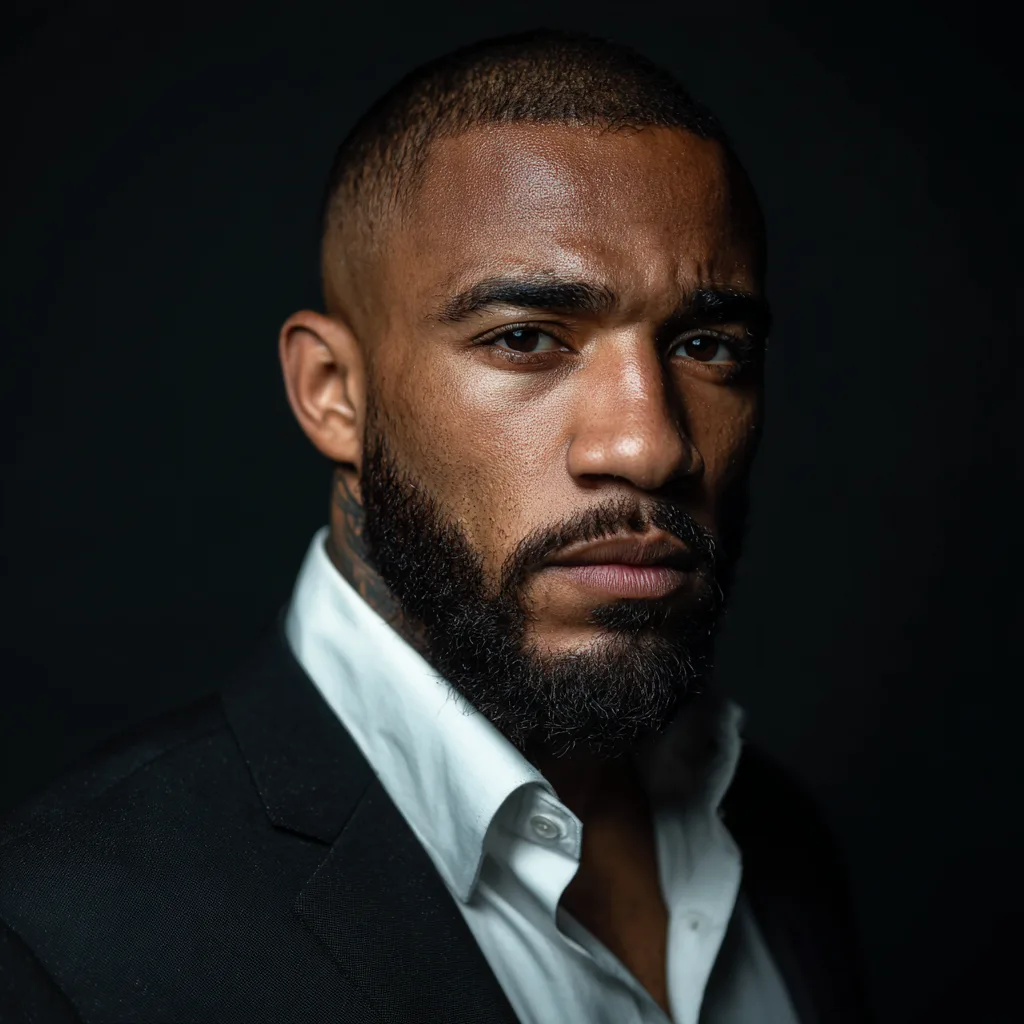
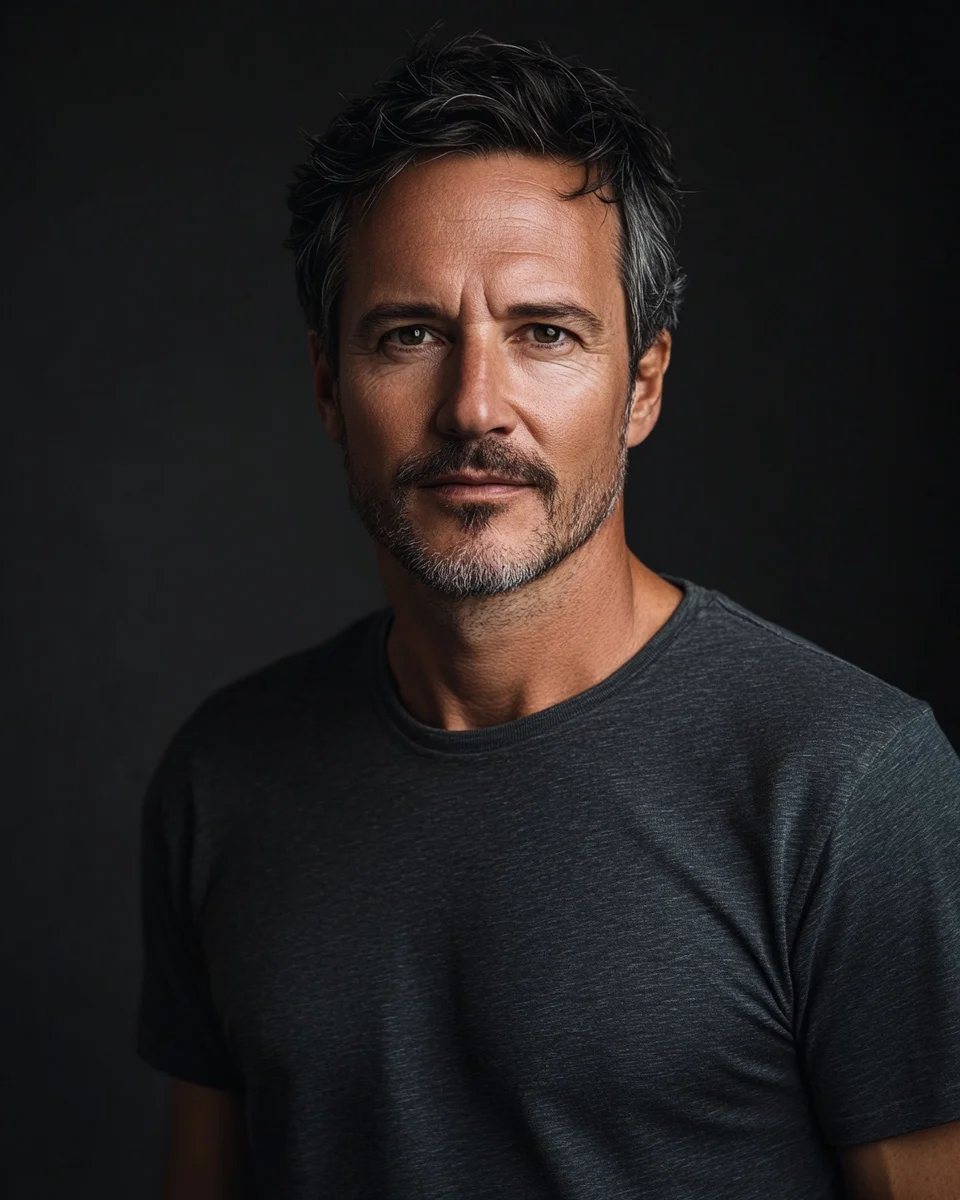
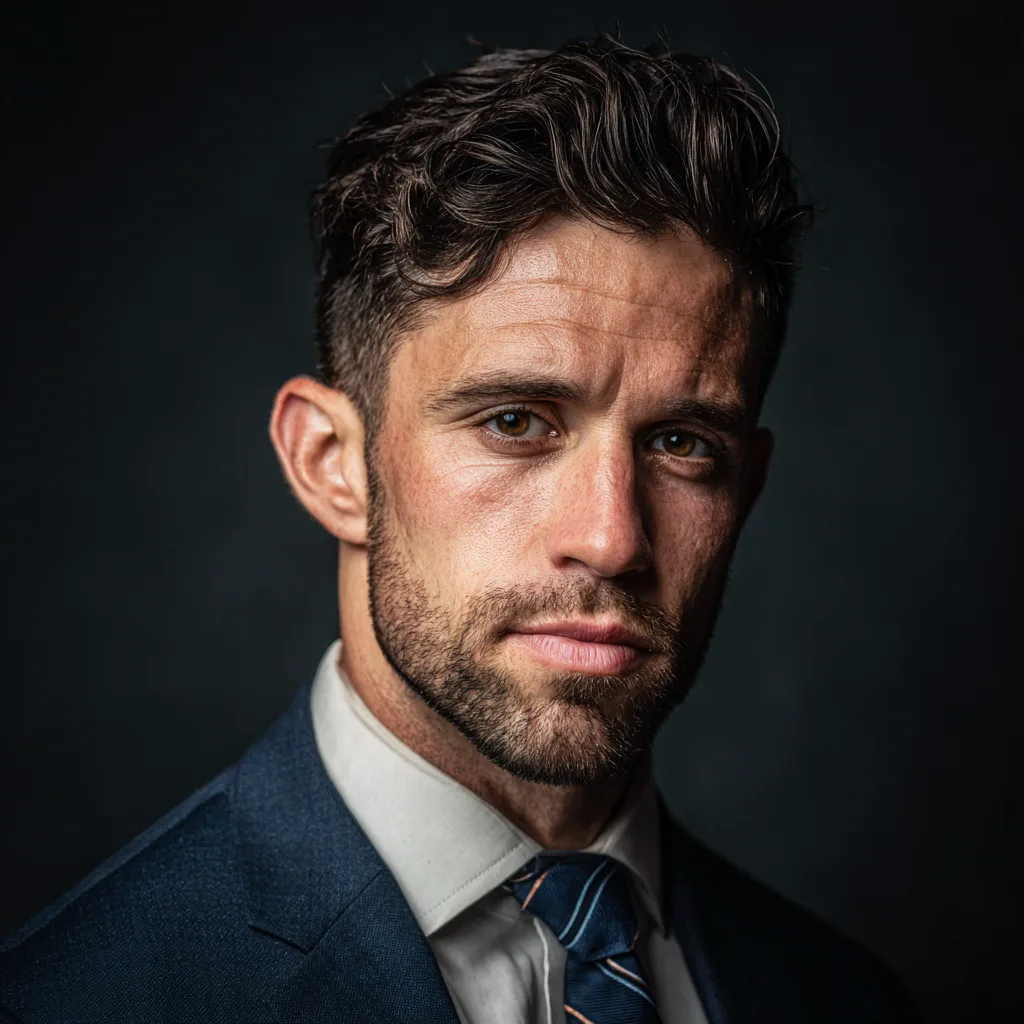
A headshot that reads as stiff, over-produced, or performed — even one that is technically sharp and well-lit — leaves casting directors cold. They've seen thousands of variations of the generic three-quarter turn, medium soft-box key light setup. What they respond to is presence. Specificity. An image that suggests there's a real person behind the camera who has an actual point of view.
That's what Photography Shark works to produce for South Shore actors. Not a headshot that looks like every other headshot. A headshot that looks like you.
The South Shore Acting Community Is Larger Than People Realize
Boston is a working theater market. The American Repertory Theater in Cambridge, Huntington Theatre Company, SpeakEasy Stage, New Repertory Theatre, Actors' Shakespeare Project, and the Hub Theatre Company all run professional seasons with rotating casts that include local talent. The Boston casting community is active, legitimate, and accessible to skilled actors who present themselves professionally.
Outside of stage work, the Boston area has a significant commercial and industrial film market — pharmaceutical advertising, medical device videos, financial services campaigns, and regional brand work all draw on the local talent pool. The casting notices for these projects cycle through consistently, and they respond to headshots.
The South Shore has a dense population of working actors and actors who are pre-professional — people who have trained seriously at Boston Conservatory, Emerson College, Northeastern, or at regional programs, and who are building careers that require professional tools.
Photography Shark works specifically with this community. Chris McCarthy understands what Boston-area casting directors are looking for, what current headshot conventions look like in this market, and how to work with actors — who are often more self-aware and more self-critical than non-performer clients — to produce images that capture genuine expression rather than performed confidence.
What Makes an Acting Headshot Different From a Corporate Headshot
The technical skills overlap, but the goals are different enough that they require different approaches.
A corporate headshot is about projecting reliability, competence, and approachability — qualities that translate across professional contexts. The expression is typically composed and confident. The lighting is clean and neutral. The background is usually simple and distraction-free. The image says: this person is professional and trustworthy.
An acting headshot has a more specific and demanding job: it needs to communicate type, casting range, and presence simultaneously. The type component means the image should suggest clearly what kinds of roles this actor could realistically play — the world-weary detective, the warm neighborhood doctor, the sharp-tongued lawyer, the anxious college student. Casting directors think in types because they are matching actors to pre-existing character descriptions, and a headshot that is visually ambiguous or generically "attractive" doesn't help them do that.
The casting range component is about which direction from the actor's natural type the headshot leans. A leading man headshot leans aspirational; a character actor headshot leans specific and textured. An actor who can play both needs different headshots for different submissions. This is a strategic conversation, not just a photographic one.
The presence component is the hardest to manufacture and the easiest to fake badly. Presence in a headshot means that the eyes have something going on behind them — that there is thought, feeling, or specificity behind the expression. This requires an actor who is actually engaged during the shoot, not marking a pose. It also requires a photographer who knows how to get there.
How Photography Shark Approaches the Actor Session
Chris's approach with actors starts differently than with non-performer clients. The pre-session consultation covers not just technical preferences (background color, clothing, locations within the studio) but casting strategy: What projects are you currently submitting to? What types are you booking? Where are casting directors placing you, and where do you want them to place you? What's not working about your current headshots?
These questions produce a session plan that is specific to where the actor is in their career, not a generic template applied to every client.
During the session, Chris works to find the frame where the actor's eyes are genuinely alive — not the frame where the pose is technically correct. This often means shooting more frames per concept than a typical portrait session, and being willing to throw out technically good frames in favor of images where something real is happening in the expression.
The camera stays moving. Different angles within the same setup, different expressions within the same setup, slight variations in light-to-subject positioning — these variables produce the breadth of options that allows actors to select truly strong headshots rather than choosing between close variants of the same image.
The Technical Setup for Actors' Headshots
The standard Photography Shark setup for theatrical headshots uses a medium-soft, directional key light positioned to one side and slightly above the subject, with fill on the opposite side at roughly half the key light's intensity. This produces dimensional light — clear shadow structure, readable bone structure — that reads well in both print and digital submission formats.
Background options include seamless white (which will expose to pure white or various gray tones depending on spacing and exposure), mid-gray seamless, and darker toned options suitable for dramatic or character-lean headshots. The background choice is discussed in the consultation — different background tones send different visual signals about casting type, and it's worth making the choice deliberately.
The Sony mirrorless system used at Photography Shark produces headshots with excellent eye sharpness and accurate skin tone rendering. For actors whose livelihood depends on their face, the quality of skin tone and detail in the eyes is not a minor consideration. Soft eyes in a headshot are a submission killer, and Photography Shark's combination of 33+ megapixel resolution and phase-detection Eye AF delivers consistent sharpness on the subject's near eye even when they're moving slightly.
Headshot Conventions in the Boston Market
Boston-market headshot conventions have evolved in line with national trends over the past decade. A few specific notes for South Shore actors preparing for a session:
Color is standard. Black-and-white headshots are occasionally requested by individual directors or for specific contexts (some dramatic theater programs, some print submissions), but color is the default for Boston commercial and theatrical casting at this point.
Natural-looking retouching. Heavy retouching — smoothed-out skin texture, dramatically altered features — reads as inauthentic to casting directors who will then meet you in person. The goal of retouching is to remove temporary distractions (a blemish from the week of the shoot, redness from wind, minor shadows) while preserving what makes your face specifically yours.
Clean, distraction-free backgrounds. Elaborate location backgrounds have gone in and out of fashion in different markets. For Boston commercial casting specifically, the current convention is a clean neutral or gradient background that keeps the focus entirely on the face. Theatrical headshots sometimes use location backgrounds successfully, particularly for character actors whose environment adds information about type.
More than one headshot. Most working actors in the Boston market maintain at least two headshots — one that leads with the more commercial/accessible side of their range and one that reads more dramatically or theatrically. If budget allows, a session that produces both is more useful than a session focused entirely on one type.
Pricing and What's Included
Photography Shark's Boston headshots are available starting from $395. This includes the full session, same-day editing selection support, and delivery of a set of fully retouched final images in a resolution suitable for agency submission, online casting platforms (Actors Access, Casting Networks), and print.
The session typically runs 60 to 90 minutes for a single headshot type, and 90 to 120 minutes for a multi-type session. The pace is driven by the actor's comfort and the quality of the images being produced, not by a fixed schedule.
Post-session, actors receive a full gallery of selects — the images that were technically sharp and expressively strong — and choose their finals from that gallery. Retouching is applied to the chosen finals according to the actor's preferences (some actors want minimal retouching; others want more comprehensive work).
Getting to Photography Shark from the South Shore
The studio at 83 E Water St in Rockland is accessible from throughout the South Shore. Approximate drive times:
- Hingham: 20 minutes
- Scituate: 20 minutes
- Norwell: 15 minutes
- Duxbury: 25 minutes
- Plymouth: 35 minutes
- Quincy/Braintree: 25 minutes
- Weymouth: 20 minutes
- Cohasset: 25 minutes
For actors coming from the city, the Greenbush Commuter Rail line stops at Rockland, making Photography Shark accessible without a car from Boston's South Station.
Street parking is available on and around E Water St. The studio is a standalone space with private entry — not a shared building with multiple businesses.
---
Ready to Book Your Session?
Photography Shark works with South Shore actors, performers, and professionals at every career stage. Sessions start with a consultation to discuss your casting goals and session plan.
Contact us today to schedule your actor headshot session.
Actor headshots in Boston · Actor headshots pricing
Corporate headshots on the South Shore · Headshot pricing guide · Headshots in Rockland, MA
Frequently Asked Questions
How much do actor headshot sessions cost at Photography Shark?
Actor headshot Studio sessions start at $395, which includes the full session, same-day editing selection support, and delivery of fully retouched final images suitable for Actors Access, Casting Networks, and print.
How far is the Photography Shark studio from South Shore towns?
The studio at 83 E Water St in Rockland, MA is about 15 minutes from Norwell, 20 minutes from Hingham, Scituate, and Weymouth, 25 minutes from Duxbury and Quincy, and 35 minutes from Plymouth.
Can actors reach Photography Shark by public transit from Boston?
Yes. The Greenbush Commuter Rail line stops in Rockland, making the studio accessible from Boston's South Station without a car.
How many headshot types should an actor get in one session?
Most working Boston-market actors maintain at least two — one that leads with commercial range and one that reads more theatrically or dramatically. A session producing both is more useful than a session focused on only one type.
What background options are available for actor headshots?
Options include seamless white (exposable to pure white or various gray tones), mid-gray seamless, and darker options for dramatic or character-lean headshots. Background choice is discussed during the pre-session consultation.
How long does an actor headshot session run?
A single headshot type session typically runs 60–90 minutes. A multi-type session covering both commercial and theatrical ranges runs 90–120 minutes.
Related Posts
About the Author
Chris McCarthy
Chris McCarthy is a professional photographer based on the South Shore of Massachusetts, specializing in headshots, boudoir, senior portraits, events, and studio photography. With years of experience photographing clients across Boston and the South Shore, Chris brings a direct, low-pressure approach to every session. Learn more about Chris →
Photography Shark · Boston & South Shore MA
Ready to Book a Session?
Professional headshots, senior portraits, boudoir, and model portfolios. Studio in Rockland, MA — 25 miles south of Boston. Sessions from $395.
Book a Session →