Headshots
Headshots for Teachers: Connection Before Day One
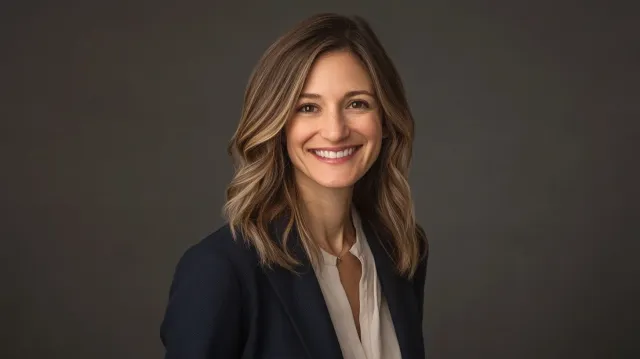
Teacher and educator headshots have to do something specific — establish connection with parents and students before any in-person interaction.
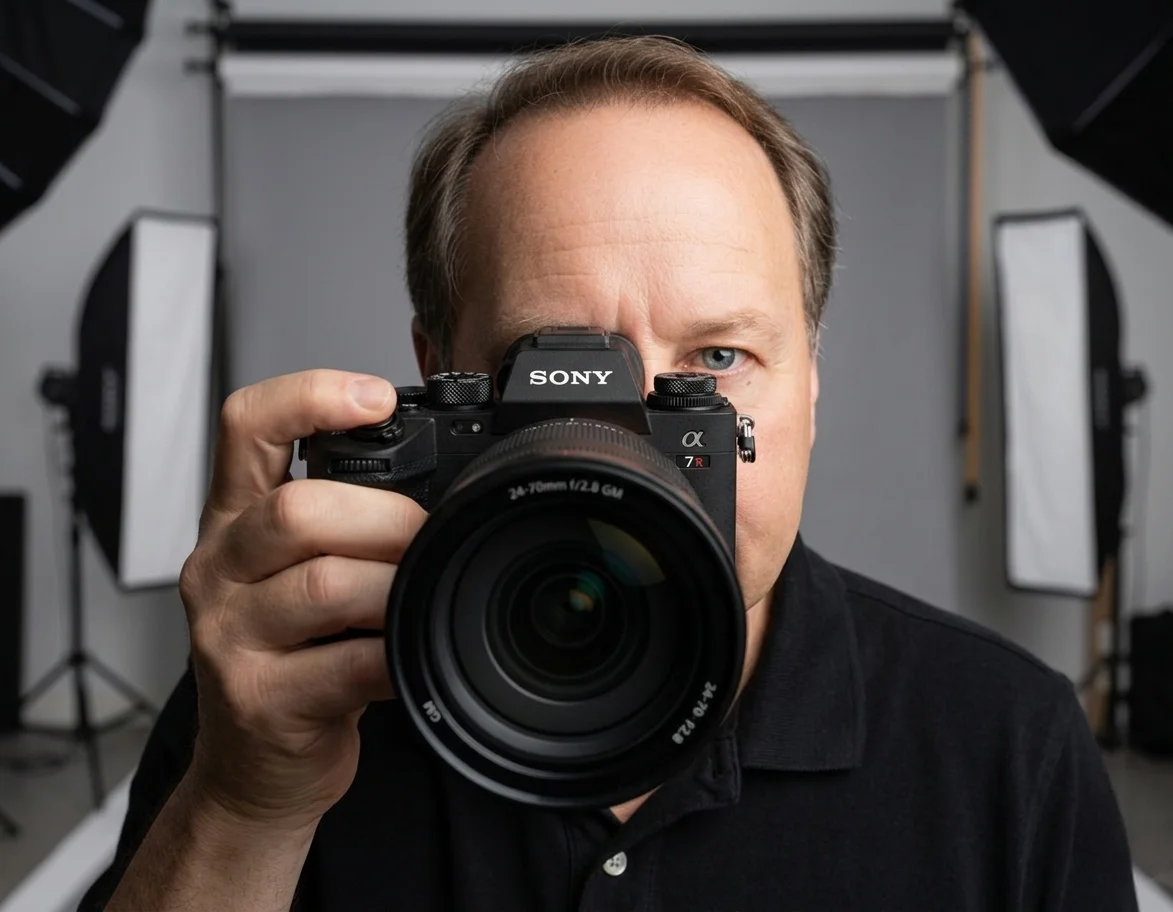
Chris McCarthy
Professional Photographer, Photography Shark · April 25, 2026
Education is one of the few professional fields where the headshot is doing direct work in the relationship the practitioner is building. Parents looking at a teacher's photograph on a school website are evaluating whether they trust this person with their child. Students looking at a faculty photograph before the first day are forming an impression of approachability and competence that will influence the first weeks of class. Prospective tutoring or coaching clients are evaluating the educator's photograph to decide whether to inquire about services.
Most teacher photographs do not do this work well. They're often outdated, casually shot, or carried over from an earlier role at a different school. The result is a faculty page that feels uneven — some recent and polished, others years old and out of place — and individual teachers whose photograph is undermining the perception they want to build.
I'm Chris McCarthy. My studio is at 83 E Water Street in Rockland, about 30 minutes south of Boston. I photograph teachers, educators, school leaders, and tutoring and coaching professionals across greater Boston and the South Shore. The goal is always the same: a photograph that supports the educator's actual work with parents, students, and colleagues.
What an Educator's Photograph Is Actually Doing
For K-12 teachers, the photograph appears in several contexts:
- School website faculty page. Parents scan this when choosing schools, when looking for the teacher their child has been assigned, and when researching specific subjects or departments. The photograph is often the first impression of a teacher in a new family's experience of the school.
- Class welcome materials. Many teachers send introductory emails or letters before the school year begins. A current professional photograph in these materials sets a tone of preparation and care.
- Parent-teacher communications. Newsletters, conference invitations, behavior or progress communications. The photograph reinforces the trust relationship across the year.
- Professional development credentials. Conference programs, association memberships, presenter bios, certification directories. Teachers active in their field need a photograph that holds up in these professional contexts.
- Side practices. Tutoring, freelance educational consulting, online course creation, coaching. For educators building income outside their primary role, the photograph is part of the marketing material that converts inquiries to clients.
For higher-education educators — community college instructors, university lecturers, adjunct faculty, online course instructors — the photograph also functions in:
- Departmental directories (similar to traditional professor pages)
- Course syllabi and online course platforms where students see the photograph before any in-person interaction
- Journalist queries and media appearances for educators whose research or teaching attracts attention
- Conference programs and speaker bios for those who present at education conferences
The Trust Calibration for K-12 Teachers
The dominant signal in a K-12 teacher's headshot is approachable trust. Parents are doing a specific evaluation: "Would I be comfortable having this person teach and watch over my child for the school year?" The photograph supports a yes answer when it shows:
- Calm, present eye contact. Eyes that look engaged, not anxious or distracted.
- A genuine, moderate smile. Not a forced wide grin (reads inauthentic), not a serious neutral (reads distant for K-12), but a small natural expression that suggests warmth.
- Composed posture. Shoulders relaxed but not slouched, head straight or slightly tilted toward the camera.
- Soft, even lighting. Avoid harsh shadows that introduce drama; teachers don't need theatrical lighting.
- Eye-level camera. Below eye level reads authoritative in a way that's appropriate for litigators and surgeons but distant for K-12 teachers; above eye level can read as deferential or insecure. Eye level reads as connected and equal.
This is different from corporate calibration, which leans more authoritative. It's also different from healthcare calibration, which can lean either way depending on specialty. K-12 teaching photography is calibrated for relational warmth above other registers — without sacrificing the underlying professional credibility.
Adjustments by Grade Level
The calibration shifts subtly across the K-12 range:
Elementary (K-5). Slightly warmer pitch. Soft lighting, gentle expression, often a wider smile. Wardrobe choices that feel approachable rather than formal — a cardigan over a simple top, a blazer in a friendly color. The photograph supports parents who are placing their youngest child in someone else's care.
Middle school (6-8). Calibrated between approachable and authoritative. A small smile, eye-level camera, lighting that creates some dimension but not drama. Wardrobe more polished than elementary but not full-corporate — a structured blazer or button-up shirt. Middle schoolers are evaluating teachers for both connection and credibility.
High school (9-12). Slightly more direct expression, sometimes a calm composed neutral rather than a smile. Wardrobe more formal — a blazer or a tailored top. High school students are reading teachers more like professionals; high school parents are evaluating credibility for college-relevant courses. The photograph leans toward the academic-professional end of the range.
Specialty roles. Music teachers, art teachers, PE teachers, librarians often have slightly different calibrations based on their role's character. A music teacher may want to incorporate an instrument as a secondary photograph; an art teacher may want a slightly more creative environmental option. The primary headshot generally still hits the standard approachable-trust calibration.
Higher Education: Closer to Professor Calibration
For community college instructors, university lecturers, online course teachers, and educational consultants working with higher-ed clients, the calibration moves toward more formal academic registers. The photograph carries more authority signals:
- Camera at or marginally below eye level to support competence reads
- Slightly more directional lighting that creates dimension without drama
- Wardrobe closer to professor convention — a blazer is almost always right; full suit is appropriate for some contexts
- Expression composed rather than warm — eye contact, small or no smile, calm presence
The higher-ed audience is evaluating the educator on credentials and academic competence as much as on relational warmth. The photograph supports that evaluation when the visual language reads as professional and considered rather than warm and accessible.
The Professor Headshots Boston service page covers academic faculty headshot session details — community college and university lecturers fall under similar conventions.
Wardrobe Choices That Work
For most K-12 educators:
- A blazer over a simple top is the universal default and works for almost all teaching contexts.
- Cardigans or structured sweaters read warmer and work for elementary and middle school contexts.
- A button-down shirt or blouse without a blazer can work for higher grade levels and informal school cultures.
- Colors: navy, charcoal, deep red, forest green, jewel tones. Avoid bright primary colors that compete with the face, and avoid pure black which can read heavy.
- Avoid school logos unless the photograph is specifically for school marketing material — most directory and bio uses are better without.
For higher-ed educators, the wardrobe shifts toward standard professional attire — a blazer with dress shirt or blouse, optional tie for formal academic contexts, conservative colors.
On-Location Sessions for Schools
Schools doing a full faculty update often run on-location sessions at the school over the course of a half-day or full day. I bring portable studio lighting, a seamless backdrop, and run teachers through 5–10 minute slots. The result is a fully consistent faculty page where every teacher is photographed with identical setup.
This works particularly well for:
- New schools establishing their initial faculty page
- Schools with significant turnover updating multiple teachers at once
- Districts coordinating across multiple buildings
- Independent schools and charter schools with strong brand standards
The on-location approach is more efficient for schools than booking individual studio appointments, and it produces a more cohesive result than letting teachers source their own headshots.
School Districts and Campuses Across the Region
The South Shore's school landscape ranges from highly-resourced public districts (Hingham, Cohasset, Duxbury, Norwell, Marshfield, Scituate) to regional consolidations (Whitman — Whitman-Hanson Regional, Abington, Holbrook) to higher-ed campuses (Easton — Stonehill College, Bridgewater — Bridgewater State University). Each calls for a slightly different headshot register: the K-12 districts lean approachable, the regional schools sit in the middle, and the university faculty headshots lean toward formal academic conventions. The studio in Rockland is 10–25 minutes from each. On-location sessions at schools work for full-faculty updates.
Book Your Session
Contact me with your role, grade level or institution, and timeline. Individual sessions start at $395 for 30 minutes with 10 retouched images — full Boston headshot pricing on the investment page. Free parking at the Rockland studio. On-location sessions at schools are $495 plus per-additional-teacher pricing for groups of five or more.
For higher-ed faculty: Professor Headshots Boston covers academic session details. For service-area locations: Headshots Near Me covers the South Shore service area, and South Shore Headshots details the broader regional offering. The Boston Headshot Pricing guide breaks down what's included in each tier.
Frequently Asked Questions
Why do teachers need professional headshots?
Several uses converge on the same need. School and district websites typically include faculty photographs on department pages, classroom pages, and bio sections. Parent communications and back-to-school materials often feature teacher headshots. Professional development credentials, conference programs, and association membership directories use them. And teachers building a presence outside their school — tutoring practices, freelance educational consulting, online course creation — depend on the photograph for client trust. A casual phone photo or an outdated school-portrait-day shot doesn't serve any of these uses well.
What's the right register for a K-12 teacher's photograph?
Approachable but credible. The photograph should suggest someone parents are comfortable trusting with their kids and someone students will feel they can talk to. That generally means a small genuine smile, eye-level camera, soft lighting, and wardrobe that's professional but not formal — a blazer is fine, a full suit usually reads as too distant. The exact calibration shifts based on the grade level you teach (elementary slightly warmer, high school slightly more direct) and the school context.
How is a higher-education educator's headshot different?
Higher-ed faculty headshots tend toward more formal — closer to the professor headshots used by universities for departmental directories. The visual language is more formal because the audience (prospective students, colleagues, conference attendees, journalists) is reading for academic credibility. K-12 teachers benefit from a slightly warmer pitch because the primary audience includes parents and students who are reading for relational trust as much as credentials.
Can you do team sessions for a school's full faculty?
Yes. Schools doing a coordinated update — full faculty pages, district directories, new buildings, fresh marketing — often run a single session either at the school over the course of a day or at the studio with teachers coming in slot-by-slot. The result is a faculty page where every teacher is shot with identical lighting, framing, and color treatment. This reads as professional and intentional rather than as a patchwork assembled over years.
What should I wear for a teacher headshot?
Solid colors over patterns. A blazer over a simple top reads professional without being distant. Avoid anything with logos (school logos, brand logos) unless specifically for marketing material; avoid heavy patterns or large jewelry. Bring two or three options — we'll typically shoot the primary look and have one or two alternatives in the gallery. Color should be flattering to your skin tone; we can talk through this during booking.
Are these sessions priced differently for educators?
Standard pricing applies — $395 for a 30-minute session with 10 retouched images. For schools doing team sessions, group rates apply for five or more, and on-location sessions at the school are a flat $495 plus per-additional-person pricing. Many districts and private schools fold this into their annual budget for marketing or HR; happy to invoice institutions directly.
Related Posts
Headshots
Modeling Headshots vs Actor Headshots — What is Actually Different
![AI Headshot Generators vs Professional Headshots: Complete Guide [2026]](/blog/ai-headshots-vs-professional-headshots-w640.webp)
Headshots
AI Headshot Generators vs Professional Headshots: Complete Guide [2026]
Headshots
Cheer and Gymnastics Headshots: Tryouts, Recruiting, and Team Rosters

Headshots
Ballet Headshots: What Classical Companies and Schools Expect

Headshots
Commercial Dance Headshots: What Agents and Casting Want

Headshots
Dance Audition Headshots: What to Submit and What Panels Actually Do With It
You Might Also Like
About the Author
Chris McCarthy
Chris McCarthy has run Photography Shark Studios in Rockland, MA for over 10 years and 500+ sessions, with executive headshot work for Rockland Trust, Clean Harbors, M&T Bank, and McCarthy Planning; founder portraits for AI startups including Lowtouch.ai; product photography for South Shore brands like Lauren's Swim; and headshots across South Shore legal, medical, financial, and academic practices. Every session is personally shot and edited by Chris on Sony mirrorless and Godox strobe systems — no assistants, no outsourcing, no batch retouching. Galleries deliver in 3–5 business days. More about the photographer →
Photography Shark · Boston & South Shore MA
Ready to Book a Session?
Professional headshots, senior portraits, boudoir, and model portfolios. Studio in Rockland, MA — 25 miles south of Boston. Sessions from $395.