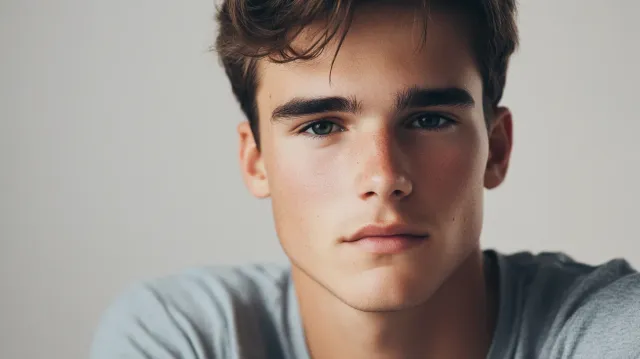
Actor Headshots
Actor Headshots for Beginners: What to Expect
What new actors need to know before their first headshot session — what to bring, how to prepare, and what makes a headshot actually book work.
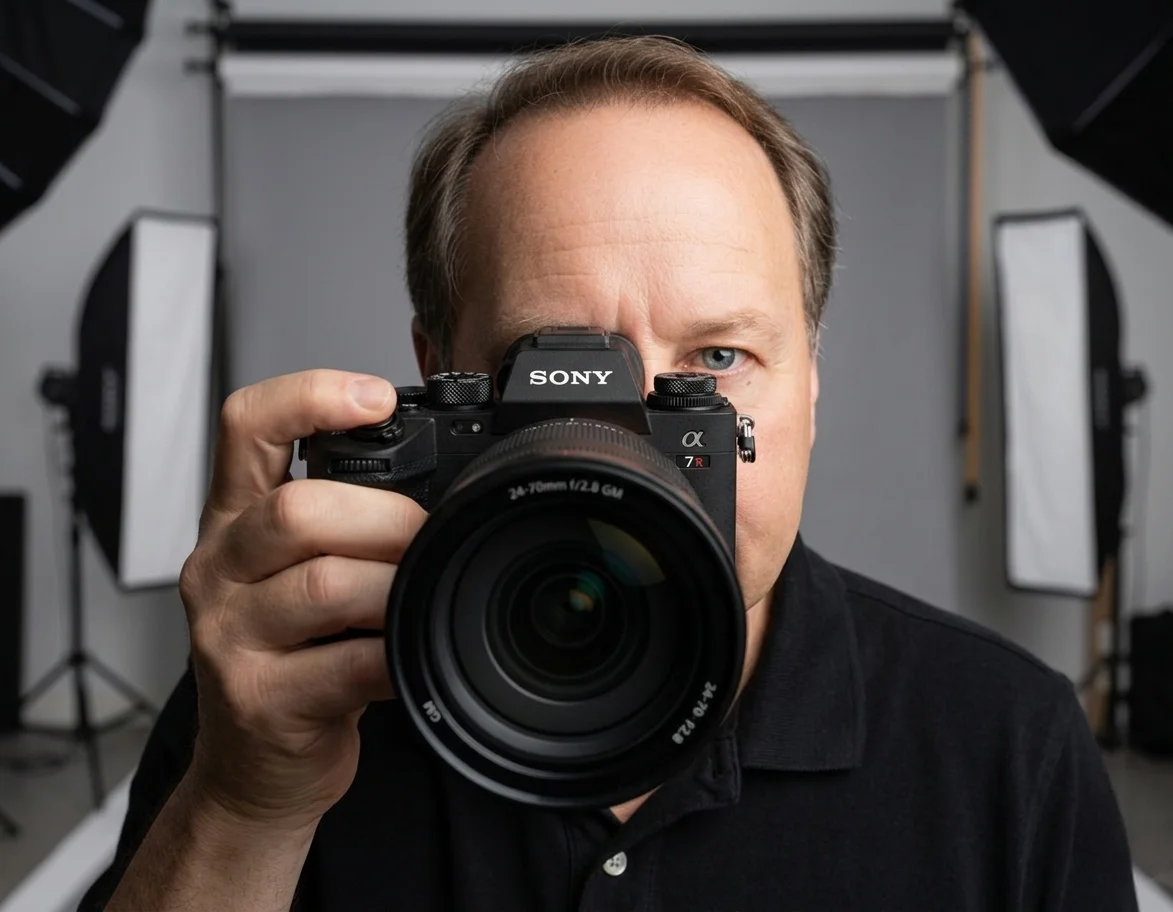
Chris McCarthy
Professional Photographer, Photography Shark · April 26, 2026
The first professional headshot session is a significant milestone for any actor. It's when you commit to taking the work seriously — investing in tools that the casting community will judge you on for the next 2-3 years until you refresh. Most new actors approach the session with a mix of excitement and uncertainty. Both are appropriate; the session structure is designed to handle both.
I'm Chris McCarthy. My studio is at 83 E Water Street in Rockland, about 30 minutes south of Boston. I shoot actor headshots for performers across greater Boston and the South Shore, including a substantial number of new actors approaching their first or second professional session. The pattern is consistent: actors who arrive prepared and trust the process produce stronger headshots. Actors who arrive uncertain about what to expect or unsure how to present themselves often don't get the session results they'd hoped for.
This is what new actors should know before their first session.
Why the First Headshot Matters More Than People Think
The early-career headshot sets the tone for an actor's first significant period of submissions. Casting directors who see the actor's headshot multiple times across submissions form an impression of the actor based on that image. Once formed, the impression is durable — even after the actor refreshes, the casting community's mental model of the actor is anchored to the first-impression photographs.
This means a weak initial headshot has compounding cost. Submissions that don't get reads, opportunities that don't materialize, agents who pass on representation — all of these accumulate before the actor has a chance to refresh and try again. The cost is not just the headshot itself; it's the months or years of underperforming submissions.
A strong initial headshot opens the opposite trajectory. Casting directors form first impressions of an actor who looks professional, takes the work seriously, and has a clear sense of type. The actor gets reads that lead to bookings, agent meetings that lead to representation, and a foundation for the next 2-3 years of work.
The differential between these two trajectories is significant, and the cost of a strong headshot relative to that differential is small. The financial calculation usually points clearly toward investing in a strong session early — and you don't need a star's budget to get there, as how celebrity-quality headshots get made on a normal budget breaks down.
What to Decide Before the Session
A few decisions are useful to think through before booking:
Theatrical and commercial, or just one? Most new actors benefit from both, captured in a single 60-minute session. If budget or timeline only supports one, decide which direction your career is leaning — film/TV/serious theater (theatrical) or commercials/lighter content (commercial) — and start there.
Your age range. The age you can play, which is sometimes different from your actual age. Most actors play within a 5-year window of their actual age, sometimes wider. Knowing this helps the session calibrate the photograph to support the right submissions.
Your type. This crystallizes over time, but you can usually identify some directional information: are you typically read as serious, warm, approachable, intense, character, ingenue, leading, etc.? If you don't know, the session can work without it — we'll discuss during the consultation.
Your wardrobe options. What do you actually have that fits well, photographs in colors that work for you, and matches the registers you'll be submitting for? Bring more than you think you need; we'll select during the session.
Hair and makeup. Will you be doing your own makeup, or hiring a professional artist? For female actors, professional makeup is usually worth the additional cost; for male actors, it's optional.
Your timeline. When are your next major submissions or auditions? The gallery delivers in 3-5 business days; plan the session to give you time to upload and use the photographs before deadlines.
What to Bring to the Session
For a standard actor session:
- Wardrobe options. 3-5 distinct items covering theatrical (darker, solid colors) and commercial (lighter, friendly tones). Solid colors over patterns. Quality fabrics that fit well.
- Backup wardrobe. A few extras in case the primary options don't work as expected on camera. Bring more than you think you need.
- Touch-up tools. A small brush, hair product or spray, dry shampoo. Concealer or powder for skin touch-ups during the session.
- Glasses if you wear them. Both with and without if you want both options photographed.
- A small water bottle. Hydration during the session helps.
- Snack if it's a long booking. A 60-minute session with multiple looks can run with a brief break for energy.
What NOT to bring:
- New clothes you haven't worn before — they often don't fit the way you expect on camera
- Anything with logos or text (unless it's specifically for character work)
- Heavy makeup applied at home — bring it for touch-ups, but plan for professional or minimal application
- Anyone other than yourself unless absolutely needed (the studio works best with just photographer and subject in the room)
How the Session Actually Goes
A standard actor headshot session at the studio runs roughly:
- Arrival and consultation (10 min). Brief discussion of what we're shooting, what looks you need, what the photographs will be used for. Quick wardrobe check to see what we're working with.
- First setup (5 min). Lighting and background configured for the first look. You change into the first wardrobe option.
- First look — shooting (15-20 min). We work through the first look — typically theatrical for sessions starting there, sometimes commercial first depending on the actor. The session is conversational; I direct continuously, you respond. We move through expressions, head positions, and small adjustments. You'll see frames at the back of the camera between sets so you can see what's working.
- Wardrobe and lighting reset (5 min). Change wardrobe, adjust lighting setup for the next look.
- Second look — shooting (15-20 min). Same process, calibrated for the second register (commercial after theatrical, or whatever the second look is).
- Optional third look (10-15 min). If a 60-minute session covers a third specialty register.
- Wrap. Brief discussion of what we captured and what to expect from the gallery delivery process.
The session is unhurried. There's time to settle in, to explore expressions, to adjust if something isn't working. You don't need to bring perfect headshot energy from the first frame — the session is designed to find the strong frames over the course of the booking, not depend on any single moment.
What Happens After the Session
After the session:
- Selection. I review all the frames from the session and select the strongest 30-40 to consider for the final gallery.
- Retouching. The selected frames go through retouching — temporary issues managed, color and tone adjusted, final composition refined. The retouching is calibrated for actor headshots specifically (preserves skin texture, doesn't reshape or remove permanent features).
- Final gallery. The strongest 10 fully retouched images are delivered as a gallery within 3-5 business days. You'll receive a link to download high-resolution files suitable for submission platforms, agency materials, and any other use.
- Submission readiness. The photographs are sized and processed for submission platforms. You can upload directly to Actors Access, Casting Networks, agency materials, and your own website without further processing.
If something specific in the gallery needs adjustment — a piece of retouching that went too far, a frame that should be processed differently — I'll address it before final delivery. The goal is a gallery you can submit with confidently.
Setting Realistic Expectations
A strong first session produces a usable headshot package. It does not, by itself, produce auditions, bookings, or agent representation. The headshot is one tool in a larger career — strong submissions, networking, training, and the actor's actual craft all matter at least as much.
What the headshot does:
- Removes one specific friction in the casting submission process
- Creates a professional first impression for agents and casting directors
- Supports the actor's broader self-presentation across submission platforms
- Lasts 2-3 years before needing refresh
What it doesn't do:
- Make up for limited training or experience
- Substitute for the specific work of submitting actively and consistently
- Replace the relationship-building that drives most acting work
- Last forever — refresh cycles are part of professional maintenance
Setting these expectations realistically helps new actors invest appropriately in the headshot without over-weighting it as a single solution.
Book Your Session
Contact me and let me know you're new to professional headshots — we'll discuss what looks you need, what your timeline is, and what to expect. Standard 30-minute sessions are $395; 60-minute sessions covering both theatrical and commercial are $545. Full Boston headshot pricing on the investment page. Free parking at the Rockland studio.
For specific actor session structure: Boston Actor Headshots, Actor Headshots South Shore, and the actor headshots package on the investment page cover the session details. The complementary post How Many Headshots Do Actors Really Need covers package strategy in more depth.
Frequently Asked Questions
I've never done a professional headshot before — should I be nervous?
It's normal to feel nervous, but the session is structured to make it manageable. The first 5-10 minutes are warm-up — getting comfortable in the studio environment, settling into the lighting, finding the right expressions. By 15 minutes in, most new actors have relaxed into the session and are producing strong frames. The photographer's job is to direct you through this; you don't need to perform on demand.
How early in my career should I get professional headshots?
As soon as you start submitting for paid work or sending materials to agents and casting directors. A weak initial headshot creates first impressions that are hard to overcome later. Most new actors benefit from professional headshots before their first agency meeting or their first round of submissions on Actors Access or Casting Networks. Beyond a certain point, you can't make up for the lost auditions caused by an inadequate early headshot.
What if I don't have an established 'type' yet?
That's normal for early-career actors and the session can work without it. The session structure includes time to discuss what kinds of roles you've been submitted for, what casting feedback you've received, and what range you think you have. The headshots that come out of the session reflect what we work out together. Type clarifies as you submit and audition; the headshot is one input to that process, not a prerequisite.
Do I need a theatrical and commercial headshot from the start?
Most new actors benefit from both, captured in a single 60-minute session. The two looks open the full range of submissions you'll be doing — commercial castings, theatrical film and TV reads, theater. Submitting with only one look limits your audition pool from the start. The 60-minute session at $545 covers both with two wardrobe changes.
How long until I get my photos?
Galleries deliver as 10 fully retouched, high-resolution images within 3-5 business days. For new actors with imminent submission deadlines, rush turnaround is sometimes available — let me know during booking. The standard turnaround is enough time to upload to submission platforms and start using the photographs in the next round.
What if I look at my gallery and don't love some of the photos?
The gallery has 10 fully retouched images, which is enough to find at least 3-4 that you'll feel strong about for submissions. We don't need every image to be a hero — just need enough strong ones to support your submission package. If something isn't working in the gallery, we can discuss adjustments to the retouching or process before final delivery.
Related Posts
Actor Headshots
Child Actor Headshots in Boston — A Parent's Guide
Actor Headshots
Best Actor Headshot Photographers on the South Shore
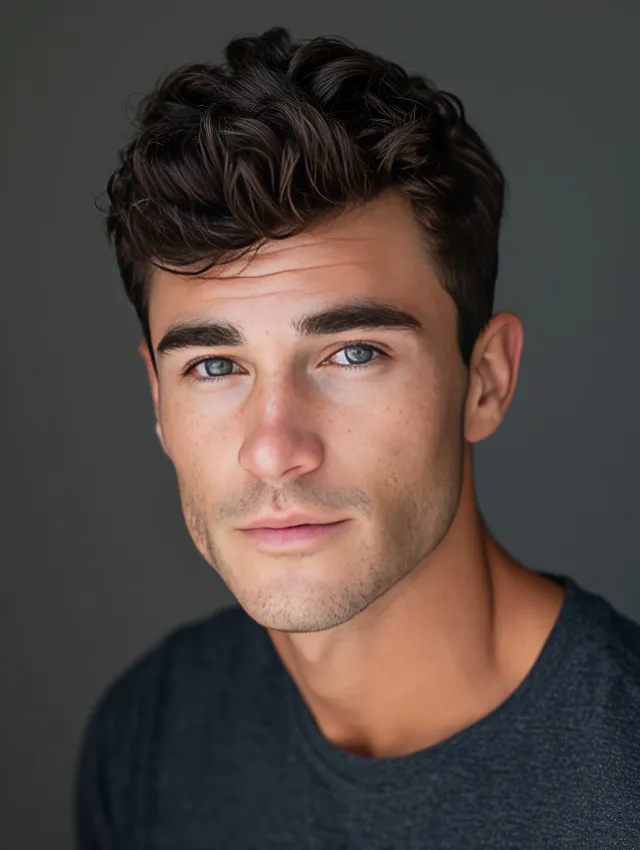
Actor Headshots
Cheap vs. Pro Actor Headshots Near Boston
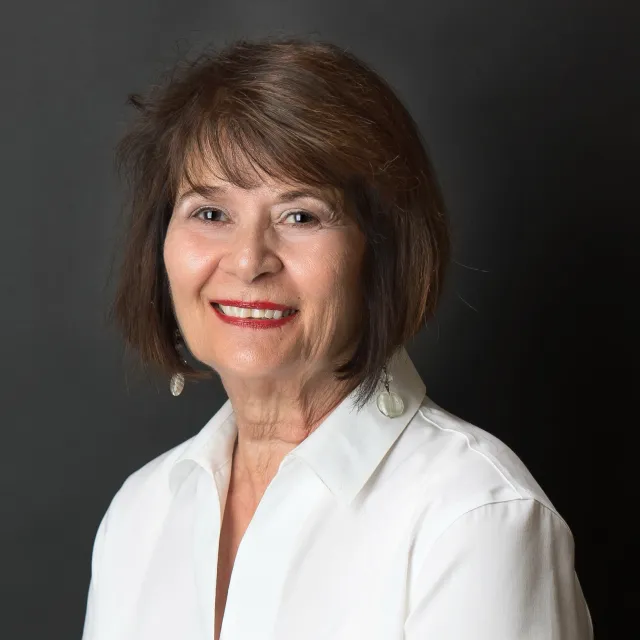
Actor Headshots
Indoor vs. Outdoor Actor Headshots: Which Works Best
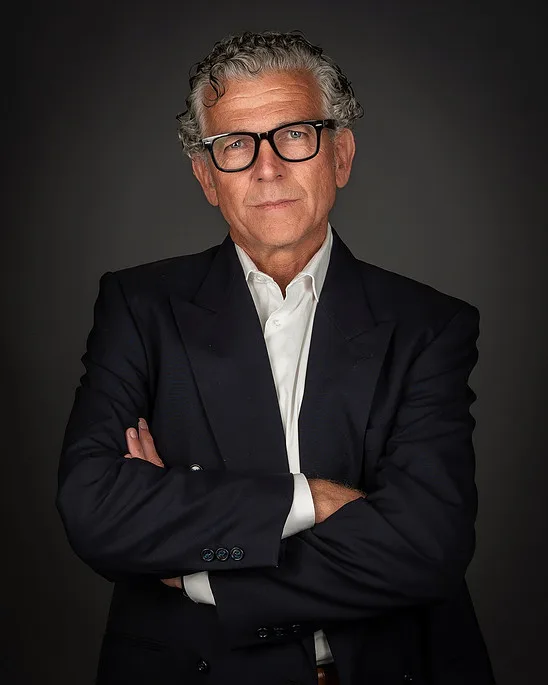
Actor Headshots
Boston Actor Headshots That Communicate Castability
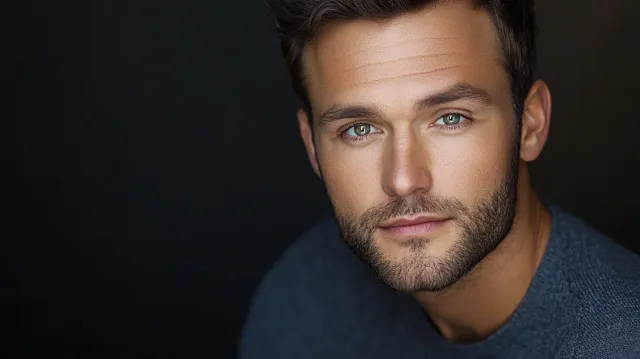
Actor Headshots
Actor Headshots and Your Resume: Sizing, Formatting, and What Casting Expects
You Might Also Like
About the Author
Chris McCarthy
Chris McCarthy has run Photography Shark Studios in Rockland, MA for over 10 years and 500+ sessions, with executive headshot work for Rockland Trust, Clean Harbors, M&T Bank, and McCarthy Planning; founder portraits for AI startups including Lowtouch.ai; product photography for South Shore brands like Lauren's Swim; and headshots across South Shore legal, medical, financial, and academic practices. Every session is personally shot and edited by Chris on Sony mirrorless and Godox strobe systems — no assistants, no outsourcing, no batch retouching. Galleries deliver in 3–5 business days. About Photography Shark →
Photography Shark · Boston & South Shore MA
Ready to Book a Session?
Professional headshots, senior portraits, boudoir, and model portfolios. Studio in Rockland, MA — 25 miles south of Boston. Sessions from $395.