Headshots
Headshots for Lawyers: How to Project Trust and Authority
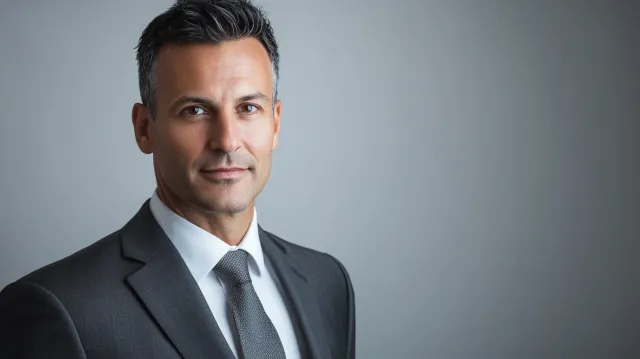
What makes a lawyer headshot read trustworthy? Lighting, expression, framing, and wardrobe choices that shape how prospective clients evaluate attorneys.
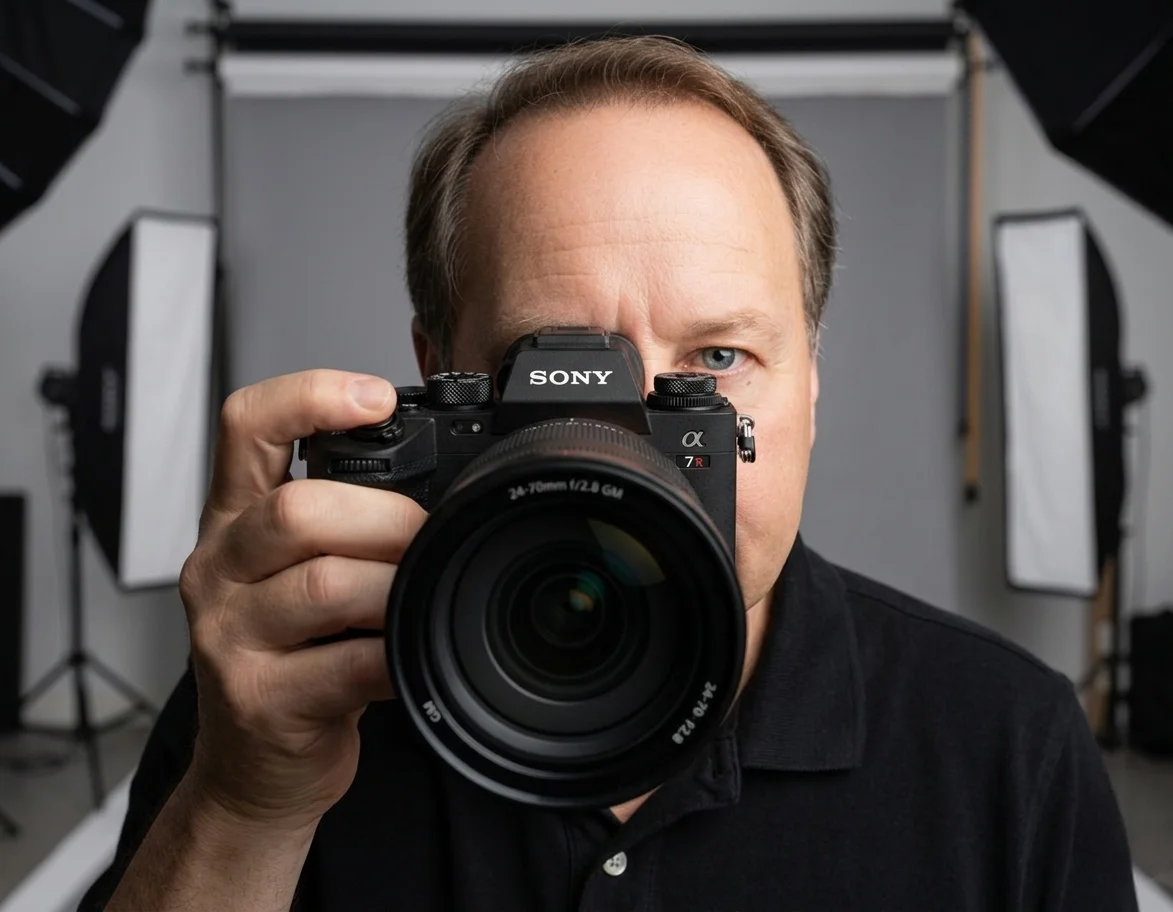
Chris McCarthy
Professional Photographer, Photography Shark · April 21, 2026 · Updated May 18, 2026
For most professions, the headshot is a credibility signal. For lawyers, it's the credibility signal. Before a prospective client schedules a consultation, they have already evaluated the attorney's photograph on the firm's bio page, on Martindale-Hubbell, on Super Lawyers, on the Massachusetts BBO directory, on LinkedIn, and increasingly on Avvo. The visual decision happens in seconds, and it shapes the rest of the relationship. Photography Shark Studios in Rockland — 25 minutes south of downtown Boston via Route 3 — photographs Massachusetts attorneys with the specific calibration legal headshots require.
In my experience shooting headshots across Boston and the South Shore, the details that matter most are rarely the ones clients worry about.
Why lawyer headshots have higher trust standards than most professions
In most service businesses, the headshot is one of many credibility signals (reviews, case studies, work samples, certifications). In law, the work product is largely invisible to the prospective client — they cannot evaluate a brief, a deposition strategy, or a closing argument before they hire the attorney. What they CAN evaluate is the attorney's presence as conveyed through the photograph: judgment, composure, gravitas, and the simple visual question of whether this is someone they want representing them.
That is a very narrow tolerance. A headshot that reads slightly anxious, slightly stiff, slightly off-register, or slightly outdated drags the entire firm's perceived authority. Conversely, a headshot calibrated correctly does work that no other firm asset can do: it preempts the trust question before the consultation begins.
The four variables that actually matter
After photographing attorneys from Boston firms, South Shore solo practices, and AmLaw 200 partners, the variables that consistently separate strong legal headshots from mediocre ones are these four — in priority order:
- The eyes. Calm, direct, neither hard nor uncertain. The expression in the eyes is read as the attorney's professional temperament. Eye AF on Sony A7-series cameras ensures the technical part is locked; the directional work happens in conversation between frames, finding the expression that's grounded rather than performed.
- The lighting. Soft enough to be flattering, directional enough to keep the face dimensional. Flat front lighting reads as a directory photo from 2008. Hard dramatic lighting reads as a marketing campaign. The right register for most attorneys is broad short lighting or a controlled clamshell — flattering but with shape.
- The wardrobe. Charcoal or navy suit, conservative shirt (white or pale blue), simple tie or no tie for transactional/estate work. The wardrobe matters less than fit; a $400 suit that fits properly photographs better than a $4,000 suit that doesn't. Bring 2–3 options and we'll choose during the session.
- The background. White, off-white, or a controlled neutral. Lawyer headshots are not the place for environmental settings — bookshelves, downtown skylines, courthouse backdrops. The face is the subject; everything else is supporting infrastructure.
Calibrating by practice area
Different practice areas read well at slightly different registers. The session direction shifts accordingly:
- Litigators (commercial, civil, criminal defense): Slightly more direct gaze, marginally tighter crop, lighting with a touch more shape. The photograph should suggest someone who can handle pressure in a courtroom.
- Transactional, M&A, corporate counsel: Composed, measured, slightly warmer. The photograph should suggest careful judgment over time.
- Family law, estate planning, probate: The warmest register on the spectrum. These attorneys have difficult conversations with clients in vulnerable moments; the photograph should suggest someone the client can be candid with.
- Personal injury, plaintiff's bar: A blend — composed and trustworthy, but with enough warmth that the client feels advocated for, not just represented.
- In-house, GC, regulatory: Closer to the executive headshot register than the litigator register. Less courtroom, more boardroom.
For Boston attorneys, Hingham firms, and South Shore solos, the studio handles every practice area; the direction adjusts to the calibration.
Matching firm style for lateral hires
For attorneys joining a firm via lateral, the new headshot often needs to match the existing firm's bio-page aesthetic — same background, similar crop, similar register. A new bio photograph that visually clashes with the rest of the team reads as inconsistent and is often the first thing a marketing team flags before publication. Bring a screenshot of 2–3 existing firm bio photos to the session; we'll match the visual register so the new headshot integrates cleanly.
The same matching exercise applies for firms wanting to refresh their full team headshots. Photography Shark schedules team blocks at the Rockland studio (or on-location at the firm) where every attorney is photographed with identical lighting, identical backdrop, and identical crop — so the firm bio page reads as a coherent set rather than a patchwork.
The trust signal — what research actually shows
A reasonable question to ask is: do prospective legal clients really evaluate attorneys based on the headshot, or is that a marketing-industry fiction?
The published research is consistent on this. Studies on trustworthiness perception from facial photographs — including work by Princeton's Todorov lab and follow-on consumer-trust research — show that humans form a trust judgment from a face in roughly 100 milliseconds, and that judgment is remarkably stable across longer exposures. People do not significantly revise their initial trust read after thinking about it. They only revise it if presented with strongly contradicting behavioral evidence over time, which a prospective client does not have access to before the consultation.
Practical implications for a lawyer headshot:
- The trust read is already complete before the prospective client consciously starts evaluating the photo.
- Subsequent evaluation (the conscious "does this attorney seem competent" scan) is largely confirming the initial unconscious read, not running an independent assessment.
- Wardrobe, background, and credentials don't override the initial face-read; they confirm it or undermine it.
- This is why a $5,000 suit photographed with the wrong expression underperforms a $400 suit photographed with the right one.
The implication for the photographer is direction, not equipment. The technical setup at the Rockland studio is the same as for a tech executive or a physician. What differs is the conversation during the session — what the attorney is thinking about when the frame is captured. Asked to "look authoritative," most people produce a mild scowl that reads as defensive. Asked to think about a specific moment of clarity in a case they're proud of, the same face produces an expression that reads as grounded — and grounded is the trust signal.
The same millisecond trust mechanics apply to the one other profession where the photograph carries this much weight: wealth management. Advisors managing other people's money are read for stability and discretion the same way clients read attorneys for competence — how a financial advisor's headshot signals trust breaks down the parallel calibration in detail.
Biglaw vs boutique vs solo — the calibration shift
The same trustworthy register works across all three, but the supporting wardrobe and background cues differ.
- Biglaw partner / counsel (Boston firms — Ropes & Gray, Goodwin, WilmerHale, Mintz, Foley Hoag, Choate): Conservative tailored suit, white or very pale blue shirt, restrained tie or no tie. Background neutral or very light gray. The visual register matches the rest of the firm's bio page; this is firm brand work as much as personal branding.
- Mid-size and boutique firms (Boston/Cambridge specialty firms, lit boutiques, IP shops): Slightly more individual personality is welcome. Conservative remains the baseline, but accent colors, alternate background tones, and a slightly warmer expression are acceptable and often appropriate.
- Solo practitioners and small-firm attorneys (South Shore, Cape, Worcester, Western MA solo and 2–4-attorney shops): The headshot does more marketing work because there is no firm brand to ride on. Warmer expression, slightly more personality in wardrobe, occasionally an environmental detail (a tasteful office shot, a window light setup) all serve the solo brand. Still conservative — but conservative with a recognizable individual signal.
Platform-specific notes — Martindale, Super Lawyers, Avvo, BBO
Each platform crops and displays attorney photos differently, and the differences matter:
- Firm website bio page: typically 3:4 vertical, full-color, displayed at 200–400 pixels wide. The primary visual asset for almost all attorneys.
- Martindale-Hubbell: circular crop, small thumbnail, displayed in directory grids. Tight centering and high-contrast lighting help survive the small crop.
- Super Lawyers: rectangular crop, full color, displayed in profile pages and listings. Slightly more visible than Martindale at typical display sizes.
- Avvo: rectangular crop, can include background color or branding. Avvo's algorithmic ranking does factor in profile completeness, of which photo quality is one input.
- Massachusetts BBO (Board of Bar Overseers) directory: photo display is variable depending on attorney-uploaded data; mostly a confirmation-of-identity surface rather than a marketing one.
- LinkedIn: circular crop, square source file. Most-viewed photo for most attorneys after the firm website.
- Speaker pages, MCLE, CLE materials: typically want a higher-resolution version of the same photo; some prefer a 4:5 or 1:1 ratio.
A single session at the Rockland studio captures all the crops needed across platforms; the deliverable includes the standard 8×10 plus square and portrait variants without an additional fee.
Update cadence and refresh timing
A practicing attorney's headshot should be updated every 3–4 years at minimum. Faster if there's been a significant change in appearance, a lateral move, a promotion to partner, or a major brand refresh. A headshot from 2018 that no longer matches the attorney walking into the consultation room undermines credibility before the meeting starts. For partners and named-firm attorneys, the headshot is a firm brand asset — refreshing it is professional maintenance, not vanity.
Pricing and the session
Standard attorney sessions are $395 for a 30-minute studio booking with 10 fully retouched images. Multi-look or environmental sessions run 60 minutes at $545–$695. Team and firm blocks are priced by group size. Files come back in 3–5 business days, with full commercial-use rights — firm website, Martindale, Super Lawyers, LinkedIn, BBO directory, speaker bios, all clear.
Book via the Boston lawyer headshots service page or the Hingham attorney service page if that's closer. The studio also serves Quincy, Plymouth, Braintree, and the South Shore legal corridor. Further reading: Quincy lawyer and legal headshot guide.
See also: Plymouth attorney headshot guide.
Further reading: Braintree attorney portrait session.
Frequently Asked Questions
What's the single most important thing in a lawyer headshot?
Eye contact and a calm, controlled expression. Prospective clients read trustworthiness from the eyes more than from anything else — wardrobe and background are scaffolding around that core decision. A photo where the eyes look uncertain, anxious, or evasive will undercut everything else, no matter how sharp the suit.
Should a litigator's headshot look different from a transactional attorney's?
Yes, subtly. Litigators benefit from a slightly more direct, intense expression and a marginally tighter crop — the photo should suggest someone who can handle pressure. Transactional and estate-planning attorneys benefit from a warmer expression and slightly more breathing room in the frame — the photo should suggest someone clients can have difficult conversations with. Both are professional; the calibration is different.
Is a white background or a dark background better for lawyers?
Both work. White or off-white reads clean, modern, and tends to dominate firm websites that update frequently. Dark gray or charcoal reads more traditional and authoritative — better for established firms or for solo practitioners who want a feel of weight and gravity. The wrong choice is a busy or environmental background; lawyer headshots are about the face, not the office.
How often should a practicing attorney update their headshot?
Every 3 to 4 years at minimum, sooner if there's been a significant change in appearance or if you've moved firms. A headshot from 8 years ago that no longer matches the person who walks into the consultation undermines credibility before the meeting starts. For partners and named-firm attorneys, the headshot is part of the firm's brand assets — refreshing it is professional maintenance, not vanity.
Can I bring multiple suits or just one?
Bring two or three. We'll usually shoot the primary look first — a charcoal or navy suit, white or pale blue shirt, simple tie or no tie. Then we may do a second look that's slightly less formal for marketing material, social, or speaker bios. The session structure handles wardrobe changes without rushing.
How long does a lawyer headshot session take, and what do I get?
30 minutes for a standard session, 60 minutes if we're doing multiple looks or environmental shots. You receive 10 fully retouched, high-resolution images delivered within 3 to 5 business days. Galleries include both the standard cropped headshot and a wider three-quarter option that works for firm-bio pages and speaking bios.
Related Posts
Headshots
Modeling Headshots vs Actor Headshots — What is Actually Different
![AI Headshot Generators vs Professional Headshots: Complete Guide [2026]](/blog/ai-headshots-vs-professional-headshots-w640.webp)
Headshots
AI Headshot Generators vs Professional Headshots: Complete Guide [2026]
Headshots
Cheer and Gymnastics Headshots: Tryouts, Recruiting, and Team Rosters
Headshots
Ballet Headshots: What Classical Companies and Schools Expect
Headshots
Commercial Dance Headshots: What Agents and Casting Want
Headshots
Dance Audition Headshots: What to Submit and What Panels Actually Do With It
You Might Also Like
About the Author
Chris McCarthy
Chris McCarthy has run Photography Shark Studios in Rockland, MA for over 10 years and 500+ sessions, with executive headshot work for Rockland Trust, Clean Harbors, M&T Bank, and McCarthy Planning; founder portraits for AI startups including Lowtouch.ai; product photography for South Shore brands like Lauren's Swim; and headshots across South Shore legal, medical, financial, and academic practices. Every session is personally shot and edited by Chris on Sony mirrorless and Godox strobe systems — no assistants, no outsourcing, no batch retouching. Galleries deliver in 3–5 business days. More about the photographer →
Photography Shark · Boston & South Shore MA
Ready to Book a Session?
Professional headshots, senior portraits, boudoir, and model portfolios. Studio in Rockland, MA — 25 miles south of Boston. Sessions from $395.