
Actor Headshots
Commercial vs. Theatrical Headshots Explained
Theatrical and commercial actor headshots are calibrated for genuinely different submission contexts.
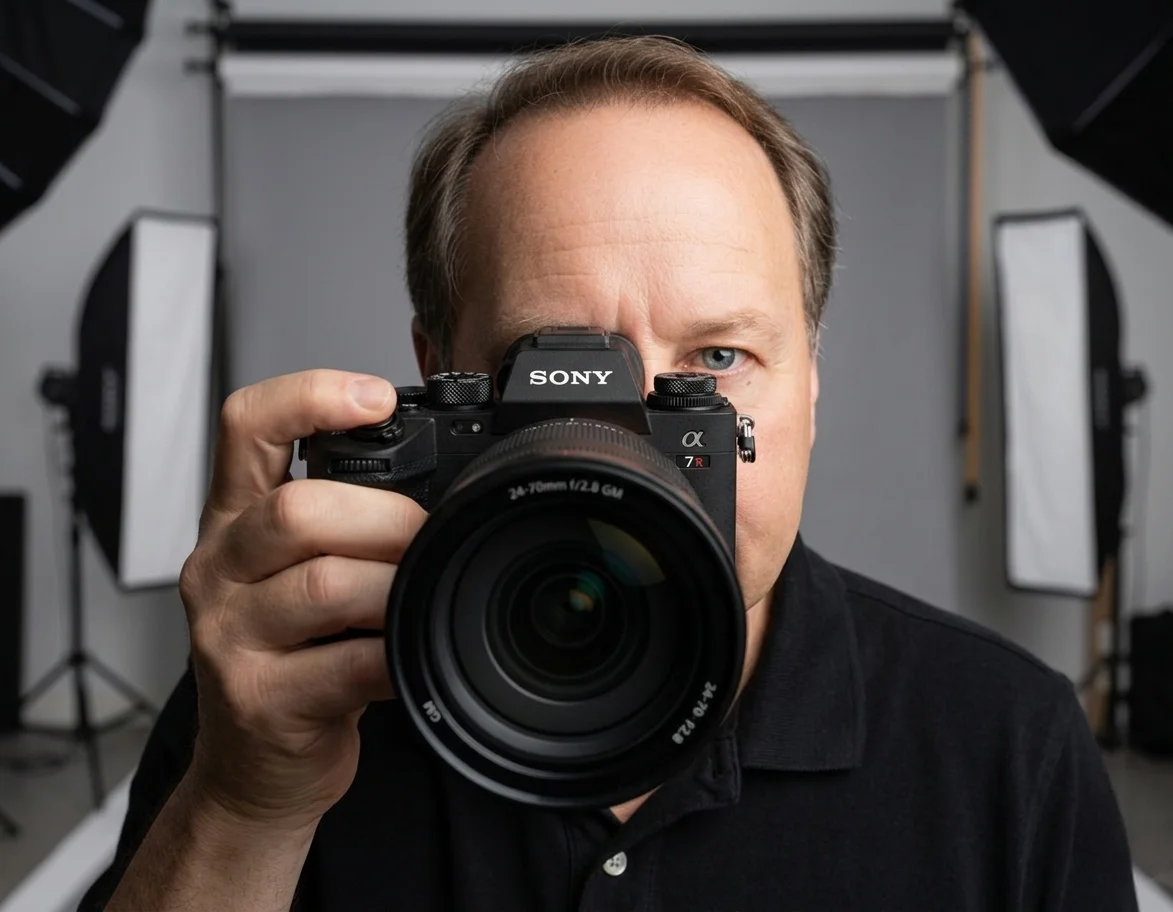
Chris McCarthy
Professional Photographer, Photography Shark · April 7, 2026 · Updated May 18, 2026
Every working actor eventually has the conversation: do I need separate theatrical and commercial headshots, or will one cover both? The short answer is that one rarely covers both well, and the actors who try to economize by submitting a hybrid photograph generally underperform on submissions in whichever direction the headshot leans against. The longer answer involves the actual visual conventions each register requires — what casting directors are scanning for when they sort through 400–2,000 submissions on a breakdown.
In my Rockland studio, I have built headshot sessions for actors submitting to every major Boston casting platform.
Photography Shark Studios in Rockland produces both registers in actor headshot sessions — typically captured in a single 60-minute booking so the actor leaves with both looks ready for submission.
What casting directors mean by "commercial"
Commercial casting is brand work — TV commercials, lifestyle content, healthcare communications, financial services, retail spots, family-friendly TV. The casting director scanning a commercial breakdown is looking for actors who can read as: warm best-friend type, approachable parent, helpful neighbor, friendly professional, trustworthy expert. The visual conventions that signal commercial-ready:
- Expression: Open, warmth-forward, eyes slightly more crinkled at the corners. Smile present but calibrated — not a posed mouth-only smile, not a full belly-laugh, the comfortable middle.
- Lighting: Soft, bright, often slightly higher key. Clamshell setup (top key + bottom fill) is the most common commercial lighting because it's flattering and produces clean, friendly skin.
- Wardrobe: Solid colors in lighter or warmer registers — sky blue, soft sage, warm gray, white if the camera handles it cleanly. Less black, less heavy texture.
- Background: White, light gray, or a controlled environmental wash that suggests modern lifestyle without being specific.
- Retouching register: Clean but not heavily smoothed. The face should look like someone the casting director's audience would recognize.
A strong commercial headshot reads as someone the brand can put in their ad without alienating any demographic. That's the bar.
What casting directors mean by "theatrical"
Theatrical casting is dramatic work — film, prestige TV, classical theater, dark comedy, indie features, dramatic character roles. The casting director scanning a theatrical breakdown is looking for actors who can read as: complex, internal, capable of carrying weight, willing to live in difficult emotional territory. The visual conventions:
- Expression: Quieter, more internal. Eyes carrying intention rather than expression. Smile usually absent or barely present. The "moment just before something is about to happen" expression rather than "the moment of the happening."
- Lighting: More directional. Rembrandt setup (key light at 45°, triangle of light on the shadowed cheek) is the most common theatrical lighting because it produces shape and emotional weight. Slightly lower key, more controlled fill.
- Wardrobe: Solid colors in darker or more neutral registers — charcoal, deep navy, oxblood, black. Often more texture (a structured jacket, a quality knit). Less white, less brightness.
- Background: Darker — medium gray, charcoal, or black. Or a controlled environmental setting that suggests specific dramatic context.
- Retouching register: Even more restrained than commercial. Skin texture, lines, and lived-in qualities are kept deliberately — they read as authenticity, which is what theatrical casting is built around.
A strong theatrical headshot reads as someone the director can cast in a role that requires emotional weight. That's the bar.
Why one headshot doesn't cover both
The visual conventions diverge enough at the level of lighting and expression that a photograph optimized for one register actively reads as wrong for the other. A bright, soft, warm-smile commercial headshot looks lightweight against a theatrical breakdown for a complex dramatic role — the casting director's instinct is "not for this" and the actor isn't read. A directional, internal, charcoal-background theatrical headshot looks heavy and intimidating against a commercial breakdown for a healthcare brand spot — the casting director's instinct is "wrong tone" and the actor isn't read.
Actors with strong agency representation are often told this directly: "you need a separate commercial book." Actors without that guidance sometimes try to use a single headshot for both registers, and the submission outcomes generally tell them the same thing within a few months.
The 60-minute two-look session
The practical solution is to capture both registers in a single session — same day, same photographer, same skin and energy, two distinct lighting setups, two wardrobe changes. Photography Shark's two-look actor booking is built around exactly this:
- First 30 minutes — theatrical. Actor is fresh, expressions are easier to ground emotionally. Lighting goes Rembrandt or controlled short, wardrobe is the darker option, background is medium gray or charcoal. We work through 2–3 specific emotional textures (not "different serious faces" — actual specific starting points).
- Wardrobe change + lighting reset (5 min). Backdrop swap to white or light gray, lighting reconfigures to clamshell or soft broad. Actor changes into the brighter wardrobe.
- Last 25 minutes — commercial. Expression shifts to the warmer register. Same active direction, different emotional starting points. By this point the actor is settled, energy is up, and the commercial frames land more easily than they would as a cold-start session.
The session is $545 (base $395 + 30 min extension at $150 + wardrobe change handled within the extension). It delivers 10 fully retouched images split across both looks — typically 5–6 theatrical + 4–5 commercial — with full commercial-use rights for Actors Access, Casting Networks, Backstage, and agent submissions.
The decision matrix — when each one matters
If you have to pick a single look to submit to a specific role, the matrix is reasonably clear once you know what the breakdown actually says. Each breakdown on Actors Access, Casting Networks, and Backstage tags itself one way or the other; you just have to read for it.
- Use commercial when the breakdown says: "warm," "approachable," "friendly," "best friend," "trusted advisor," "real people," "natural," "authentic," "casual," "lifestyle," "family-friendly," "everyday," "girl/guy next door."
- Use theatrical when the breakdown says: "complex," "dramatic," "edge," "intense," "guarded," "vulnerable," "haunted," "weighty," "morally ambiguous," "internal," "dangerous," "broken," "brittle," "sharp."
- Use commercial for these contexts by default: TV commercials (national and regional), corporate communications, healthcare brand work, fintech and insurance, family programming, sitcom-adjacent roles, daytime drama, soap opera reads, daytime hosting, web series with brand integration.
- Use theatrical for these contexts by default: Film auditions, prestige TV, dramatic indie features, classical theater (Shakespeare, Greek, late-19th-century rep), serious half-hour comedy, character roles in any context, antagonist roles, anything described as "dark comedy," HBO/A24/AMC-style submissions.
- Borderline cases — use the one that matches the project tone: Episodic procedurals (split: blue-sky network procedurals = commercial; harder cable/streaming procedurals = theatrical), industrial films (lean commercial), educational content (commercial), independent web series (read the tone), reality-adjacent acting work (commercial).
The breakdown gives you the answer maybe 80% of the time. The remaining 20% — where the breakdown is ambiguous or hybrid — is where representation calls become useful and where actors with strong instincts about their own type tend to read the project tone correctly.
The third register — character headshots
Working actors past their first year of submissions often add a third register: the character headshot. This is not a separate "personality" — it's a specific type signal for actors who book consistently as quirky, eccentric, comedic, or strongly-typed (the "best friend's weird roommate," "the eccentric professor," "the slightly off-kilter neighbor"). Character headshots blend commercial warmth with theatrical specificity — they show personality, often with a slightly more pronounced expression, sometimes with a prop or wardrobe that signals a strong type.
Photography Shark's three-look booking (90 minutes, $695) captures commercial + theatrical + character in one session. It's typically the right move for working actors who have been submitting for a year or two and can identify a recurring character type in their booking history. New actors should start with commercial + theatrical; the character book is an iteration after type clarifies.
Common mistakes when choosing between the two
A few patterns that come up repeatedly in actor consultations at Photography Shark:
- Submitting the commercial headshot to a dramatic indie because "it's a nicer photo of me." The casting director isn't reading aesthetic quality; they're reading tone match. The right theatrical headshot for the role wins over the more flattering commercial headshot every time.
- Submitting the theatrical headshot to a friendly commercial because "I want to seem like a serious actor." Brand commercial casting is not impressed by serious-actor signaling; they're filling a role that needs warmth, and they pass on the cold-read photo without a second look.
- Picking the headshot that matches your CURRENT emotional state instead of the role's needs. Actors going through a tough period sometimes drift toward theatrical photos that match how they feel; actors in a good mood drift toward commercial. The submission has to match the role, not the mood.
- Re-using a theatrical from three years ago because "it still looks like me." It looks like you, but agents and CDs are scanning fresh work; older photos read as stale. Two registers, refreshed every 18–24 months, is the working-actor baseline.
- Not labeling which is which. Files saved as "headshot1.jpg" instead of "actorname-theatrical-2026.jpg" make it harder for agents to pull the right one fast. Label them clearly the day they land.
Geography and the booking flow
For Boston-area actors, the Rockland studio is 25 minutes south via Route 3 with free on-site parking. South Shore actors (Quincy, Plymouth, Hingham, Weymouth, Marshfield) are 10–25 minutes by car. Pre-session consultation is included to discuss type, current casting targets, and which wardrobe brings to which look.
Book the actor headshots service or the actor headshots Boston city page for full session structure and current availability.
Frequently Asked Questions
What's the simplest way to describe the difference?
Theatrical headshots suggest the actor in a serious, dramatic, or emotionally complex role — film drama, prestige TV, character work, classical theater. Commercial headshots suggest the actor in a friendly, accessible, brand-aligned role — TV commercials, lifestyle content, family-friendly TV, lighter material. Both are professional headshots; the calibration of expression, lighting, wardrobe, and processing diverges to support each context.
Can one headshot serve both purposes?
Rarely well. The visual conventions are different enough that a strong theatrical photograph reads as too serious for commercial submissions, and a strong commercial photograph reads as too lightweight for theatrical. The actors who try to use one headshot for everything generally underperform on submissions in whichever direction the headshot is calibrated against.
Which one should I shoot first if I can only do one session?
Whichever direction your career is currently leaning. If you're submitting more for film and prestige TV, theatrical first. If you're submitting more for commercial, lifestyle, and lighter TV, commercial first. Most working actors eventually need both, and the practical answer is to budget for a 60-minute session that captures both in one booking — that's how the actor headshot package on the investment page is structured.
Are commercial headshots easier to look natural in?
For some actors, yes — the lighter expression and warmer feel can be more natural for actors whose default presence is friendly. For other actors, the directed seriousness of a theatrical look comes more easily. The goal in both is honesty — finding the version of the actor's expression that suggests the relevant register. The session is structured around finding that, not around forcing it.
Do casting directors actually distinguish between the two when scanning submissions?
Yes — they're often submitting from a specific role description that's clearly one or the other. A casting call for a corporate film looking for warm, professional types is going to favor commercial-leaning headshots. A casting call for a dramatic indie feature is going to favor theatrical. Submitting the wrong-genre headshot to a clearly opposite call usually doesn't get the actor read.
How does the session structure handle both?
A 60-minute session at the studio captures both looks comfortably with two wardrobe changes and two distinct lighting setups. We typically shoot theatrical first while the actor is fresh and emotionally settled, then transition to commercial after a wardrobe change. The session is $545 and produces a complete package with both looks delivered as 10 retouched images split across the two.
Related Posts

Actor Headshots
Theatrical Headshots Boston — Studio Sessions for Theater Actors
Actor Headshots
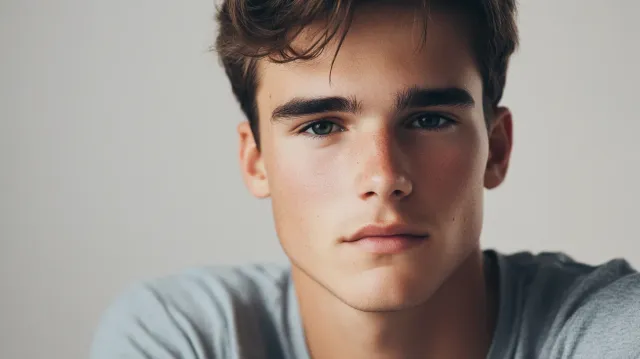
Actor Headshots for Beginners: What to Expect
Actor Headshots
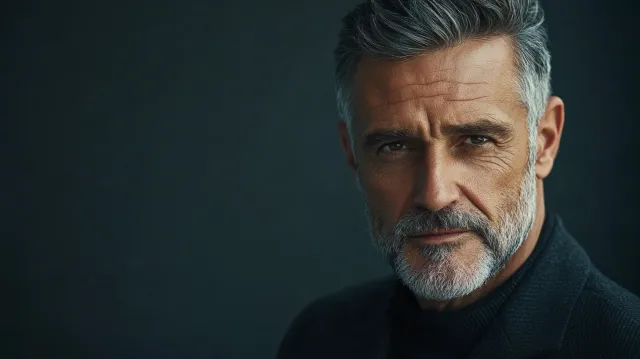
Headshots for Older Actors: How to Look Your Best at Any Age

Actor Headshots
Child Actor Headshots in Boston — A Parent's Guide
Actor Headshots
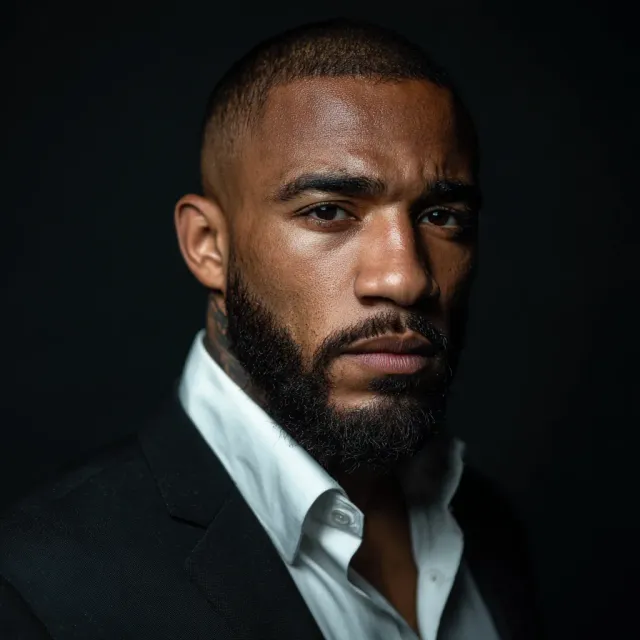
Best Actor Headshot Photographers on the South Shore

Actor Headshots
Actress Headshots Boston — Studio Portraits for Female Actors
You Might Also Like
About the Author
Chris McCarthy
Chris McCarthy has run Photography Shark Studios in Rockland, MA for over 10 years and 500+ sessions, with executive headshot work for Rockland Trust, Clean Harbors, M&T Bank, and McCarthy Planning; founder portraits for AI startups including Lowtouch.ai; product photography for South Shore brands like Lauren's Swim; and headshots across South Shore legal, medical, financial, and academic practices. Every session is personally shot and edited by Chris on Sony mirrorless and Godox strobe systems — no assistants, no outsourcing, no batch retouching. Galleries deliver in 3–5 business days. About photographer Chris McCarthy →
Photography Shark · Boston & South Shore MA
Ready to Book a Session?
Professional headshots, senior portraits, boudoir, and model portfolios. Studio in Rockland, MA — 25 miles south of Boston. Sessions from $395.