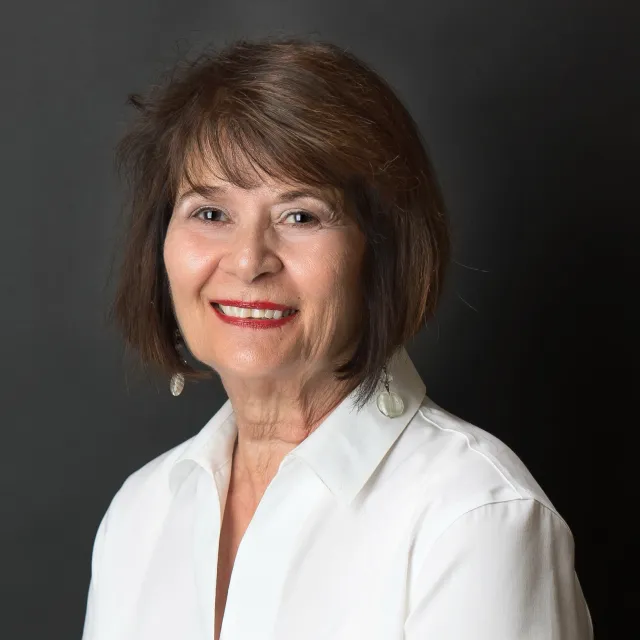
Actor Headshots
Indoor vs. Outdoor Actor Headshots: Which Works Best
Studio vs. location actor headshots compared — mood, control, cost, and which setting tends to work best for different actor types and submission contexts.
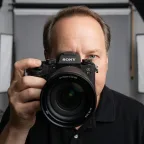
Chris McCarthy
Professional Photographer, Photography Shark · April 8, 2026 · Updated April 13, 2026
The studio-versus-outdoor debate comes up in nearly every consultation I have with Boston actors, and there's a version of the answer that's simple and a version that's more nuanced. The simple version: both can produce excellent headshots. The nuanced version: the right choice depends on your specific type, your target market, your personal brand, and the conditions available.
Having shot Boston actor headshots in both environments extensively, I can give you a practical breakdown of what each actually offers, what each costs in terms of trade-offs, and how to make the decision that serves your specific career rather than following a generic rule.
What Casting Directors and Agents Actually See
Before getting into the environments themselves, it helps to think about how headshots are actually used. In the Boston market, submitted headshots are evaluated in multiple contexts:
- At small thumbnail size in casting software, where faces are distinguished primarily by expression and overall quality
- At full resolution when a casting director or agent wants to look more closely
- In side-by-side comparisons with other submissions
- In the back of a casting director's mind when they meet you in person
Each of these contexts favors different qualities in a headshot. The thumbnail-size evaluation favors clean, high-contrast, uncluttered images where the face reads clearly. Full-resolution evaluation rewards technical quality, sharpness, and the ability to read the actor's personality. In-person comparison rewards authenticity — images that actually look like you.
Both studio and outdoor headshots can serve these contexts well. The question is which does it better for your specific situation.
The Case for Studio Headshots
Studio headshots give the photographer total control over light, which is either their primary advantage or their defining limitation, depending on your perspective.
With studio light, I can shape the direction, quality, and quantity of illumination precisely. A Rembrandt-style setup with a single large modifier creates a dramatic, angular light that communicates intensity and depth — useful for dramatic type submissions. A large, wrapping beauty setup creates even, flattering light that reads commercially appealing and approachable. A split-light setup creates intensity and contrast that works for character types. Each of these requires studio equipment to execute reliably.
What studio does exceptionally well:
Clean, professional commercial headshots where the background is neutral and undistracting. The actor's face fills the frame against a gray or off-white backdrop, lit precisely, with no environmental elements competing for attention. For commercial submissions — the market that generates significant work in the Boston area — this clean, controlled look often performs very well.
Consistent results regardless of weather and time of day. You can book a studio session at 11 AM on a cloudy Tuesday and produce excellent images because the studio environment doesn't depend on natural conditions. For actors with limited scheduling flexibility, this is a genuine practical advantage.
Multiple distinct looks within a single session. Because the lighting can be reconfigured quickly between setups, a studio session can produce several very different-looking images without changing location. A dramatic setup, a commercial setup, and a character setup can all happen within two hours.
Where studio has limitations:
For actors targeting dramatic stage work, pure studio headshots can sometimes feel slightly impersonal — the absence of environmental context removes a layer of texture that certain directors respond to. Not a disqualifier, but worth knowing.
Some actors simply look stiffer in studio environments. The controlled, intentional nature of a studio setup — the lights, the clean backdrop, the explicit awareness that this is a professional photography context — can read in an actor's expression and body language. Actors who are more natural outdoors, in informal environments, sometimes produce their best work when they're not in a studio.
The Case for Outdoor Headshots
Natural light has qualities that studio lighting can approximate but never fully replicate. When outdoor light is working well — late afternoon, golden hour, the soft open shade of a tree-lined path on an overcast day — it wraps around subjects in a dimensional way that studio modifiers don't quite match. The source is genuinely large relative to the subject, it comes from multiple directions simultaneously (direct light, sky fill, reflections from surrounding surfaces), and it has a color temperature and variation that reads as natural because it is.
What outdoor does exceptionally well:
Warmth and approachability. The particular quality of natural light, especially late afternoon directional light, tends to produce images with a warmth and accessibility that some actors find is their best look. If your primary type is the "neighbor you'd actually want to have," the "guy you'd actually trust," the "person who feels genuinely present" — natural light outdoor images often serve that type better than studio.
The visual texture of a real environment. Even a relatively neutral outdoor background — a brick wall, a tree-lined path, the corner of a building — provides subtle visual information that a studio background can't. For actors who want their headshots to feel like they belong to a real person with a real life, that environmental texture is a genuine asset.
The Boston and South Shore environment specifically. The city has distinctive architecture and outdoor character that communicates "this is a Boston actor" in a way that a neutral studio backdrop cannot. Fort Point Channel's warehouse architecture, the brick and ironwork of the South End, the urban waterfront areas — these read as specifically Boston, which for actors embedded in this market can be meaningful.
Where outdoor has limitations:
Weather dependence is real. The best outdoor headshots happen when the light is specifically right — late afternoon, with enough sun to create direction but not so much that it creates harsh shadows. A session scheduled for Tuesday evening can be entirely compromised if cloud cover produces flat, gray light or if the sun is blocked at the critical angle. This requires scheduling flexibility and, sometimes, rescheduling.
Background management requires more active attention. A studio background is a background. An outdoor background is an environment that may include distracting elements, changing light conditions, foot traffic, and variable visual complexity. Managing the background in outdoor sessions — choosing the right framing, the right distance, the right position — requires a different kind of vigilance than studio work.
The Mixed Session: Often the Best Answer
Many of the most versatile headshot sets I produce combine both environments in a single session. Start in the studio for the commercial and dramatic looks that benefit from controlled light and clean backgrounds. Then move outside for additional looks that take advantage of natural light's qualities.
This approach gives actors two genuinely distinct visual aesthetics in a single session, which broadens the range of submissions the images can serve. It also hedges against the limitations of each environment — you get the studio's consistency for your primary commercial look and the outdoor environment's warmth for your secondary natural look.
The practical requirement for a mixed session: slightly more scheduling time and a location relationship between the studio and outdoor environments that makes the transition workable. I'm based in Rockland, and there are several excellent outdoor environments nearby for exactly this purpose.
How Your Acting Type Should Drive the Decision
The most useful framework for this decision is your primary casting type.
Commercial type (approachable, middle-of-the-road, neighbor/friend/colleague range): Studio commercial headshots with a clean, inviting setup, or outdoor images with warm natural light. Either works; choose based on which environment produces your most natural, accessible expression.
Dramatic type (intensity, depth, character range): Studio setups with more directional, dramatic light often communicate this effectively. Outdoor images in controlled environments with moody backdrops can also work, particularly for character actors.
Theatrical/stage type: The Boston stage market is somewhat less rigid about aesthetic than commercial work. Images that communicate range and expressiveness, whether studio or outdoor, are more important than the specific environment.
Character actor types: These benefit from images with more texture and environmental character, which often points toward outdoor. Character types can sometimes afford to be more visually adventurous than leads or commercial types, because casting directors are looking for specificity rather than neutrality.
Young professional/social media adjacent types: This market often responds to the texture and warmth of outdoor natural light images that feel consistent with the high-quality lifestyle photography that appears on Instagram and LinkedIn.
Lighting Technique: The Factor That Matters Most
Regardless of which environment you choose, the quality of the lighting is the variable that most directly affects the quality of the final image. Good studio lighting and good natural light both produce excellent headshots. Poor studio lighting and poor natural light both produce images that no amount of editing will fully salvage.
In studio, the key factors are: direction (single-source setups that create definition versus broad wrapping setups that create beauty), modifier size (larger modifiers create softer, more flattering gradients), background relationship (how the background is lit relative to the subject), and the relationship between key and fill light.
Outdoors, the key factors are: time of day (golden hour versus midday), cloud conditions (a thin overcast layer is often excellent; heavy gray overcast is flat; direct harsh midday sun is challenging), direction relative to the sun, and the use of natural reflectors (light-colored walls, open sky, water surfaces).
I shoot on Sony full-frame equipment, which provides the sensor latitude to handle varied light conditions well and the dynamic range to capture the detail in both highlight and shadow areas that matters for portrait photography. The camera choice matters, but what matters more is knowing how to expose for the light conditions you're working in.
Preparing for Your Session
For either environment, the preparation is the same in most respects:
Wardrobe selection. Bring more options than you think you need — at minimum three or four distinct looks. For studio sessions, neutral solids and darker tones work well against clean backgrounds. For outdoor sessions, colors that relate to the specific outdoor environment can add visual coherence.
Expression preparation. Think specifically about the characters you're targeting with each look. The difference between a headshot that communicates something specific and one that's technically acceptable but bland is almost always in the actor's intention. Come with characters in mind for each outfit.
Physical preparation. Rest and hydrate. Your eyes and skin reflect your physical state. For outdoor sessions, check the forecast and have a contingency plan if the conditions are unfavorable.
Communication with your photographer. Tell me specifically what you're working toward — which markets, which types, which roles. The more specific the goal, the better I can direct the session toward images that serve it.
What the Session Costs and What You Get
Boston headshot packages at Photography Shark start at $395 and are structured to give actors what they need for active submission across the Boston market. That includes the session, my direction and posing guidance, professional editing of your selected images, and delivery through a private online gallery with full-resolution downloads.
I'm familiar with what Boston agents and casting directors are currently responding to, and I bring that knowledge to the session rather than producing generically good portraits that may not serve the specific market.
Ready to Book Your Session?
Whether you're building your first actor headshot portfolio, updating images that are a year or two old, or expanding your submission range into new markets, reach out through the contact page and we'll figure out the right approach — studio, outdoor, or both — for where your career is right now.
Actor headshots in Boston · Actor headshots pricing
Session pricing & packages · Best headshot photographers in Boston
Frequently Asked Questions
How much do actor headshot sessions cost at Photography Shark?
Studio sessions are $395 for 30 minutes with 10 retouched images. On-location sessions are $495 at a location of your choice. For actors who want both studio and outdoor looks in one day, the combined booking is studio session + on-location session, or studio + additional session time ($150) to shoot briefly outdoors at the Rockland location after the studio work.
Where is the Photography Shark studio located?
The studio is at 83 E Water Street, Rockland MA 02370 — about 25 minutes south of Boston off Route 3. Easy parking and no city traffic.
Can I get both studio and outdoor looks in one session?
Yes. Booking the standard studio session ($395) plus an additional session time add-on ($150) or combining studio + on-location ($495) allows multiple setups — a studio segment and an outdoor location nearby in Rockland or along the South Shore coast.
What backdrop colors are available for studio actor headshots?
Photography Shark's studio has neutral gray, white, and off-white backgrounds — the most commonly requested options for commercial and theatrical submissions in the Boston market.
How soon will I receive my finished actor headshots?
Edited galleries are typically delivered within one to two weeks of your session. Rush turnaround can be discussed when booking.
Do you work with actors who are new to headshot sessions?
Yes. Chris McCarthy provides active direction throughout the session — posing guidance, expression coaching, and adjustments — so you don't need prior experience in front of a professional camera.
Related Posts

You Might Also Like
About the Author
Chris McCarthy
Chris McCarthy has run Photography Shark Studios in Rockland, MA for over 10 years and 500+ sessions, with executive headshot work for Rockland Trust, Clean Harbors, M&T Bank, and McCarthy Planning; founder portraits for AI startups including Lowtouch.ai; product photography for South Shore brands like Lauren's Swim; and headshots across South Shore legal, medical, financial, and academic practices. Every session is personally shot and edited by Chris on Sony mirrorless and Godox strobe systems — no assistants, no outsourcing, no batch retouching. Galleries deliver in 3–5 business days. About the photographer →
Photography Shark · Boston & South Shore MA
Ready to Book a Session?
Professional headshots, senior portraits, boudoir, and model portfolios. Studio in Rockland, MA — 25 miles south of Boston. Sessions from $395.