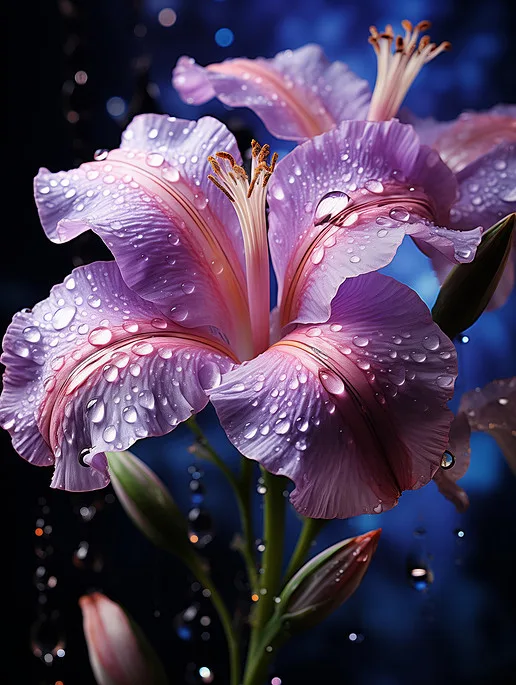
South Shore Locations
Photography as a Meditative Practice
Chris McCarthy on photography as a mindfulness practice at Scituate Harbor, Cohasset, and Duxbury marshes — and what that presence brings to portrait sessions.
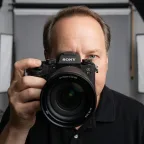
Chris McCarthy
Professional Photographer, Photography Shark · May 23, 2024 · Updated December 8, 2025
The Camera as a Tool for Presence
Most people pick up a camera to document something — a graduation, a vacation, a child's face at a particular age. That documentation motive is completely legitimate. But there's another way to relate to photography that doesn't get discussed nearly as often: photography as a practice for slowing down, paying attention, and finding something that looks a lot like peace.
This isn't a mystical idea. It's grounded in how the act of making photographs actually works — and once you've experienced it, you'll recognize it immediately.
As a photographer who has spent over a decade behind the lens in studios in Rockland and out on location across the South Shore, I've noticed that the sessions clients remember most vividly are rarely the ones where everything went to plan. They're the ones where something unexpected happened — a particular quality of light at Scituate Harbor, a moment of genuine laughter during a family portrait session, the expression on a senior's face right after they stopped thinking about the camera. Those moments require presence to catch. And presence, it turns out, is the thing that also makes photography feel like something other than work.
Why Photography Quiets the Mind
There's a physiological reason why photography can produce a calm, focused mental state: it requires the same quality of attention that meditation techniques try to cultivate deliberately.
When you're composing a frame — deciding where to place your subject, evaluating the angle of light, watching for the moment — you can't simultaneously be running the mental loops most of us spend our non-photographing hours in. The "should I have said that," the grocery list, the background anxiety about unread emails: all of it goes quiet when your attention is genuinely absorbed by what's in front of you.
Psychologists call this state "flow." Meditators call it presence. Photographers usually call it "getting into it." Whatever the language, it's characterized by heightened sensory awareness and a narrowing of attention onto the immediate moment. The shutter click becomes a kind of anchor — a moment of full contact with right now.
This is why many photographers describe their practice as restorative, even when it's physically demanding. A four-hour outdoor session in wind off the water at Duxbury can leave you tired in your legs and fully, completely at ease in your mind.
The South Shore as a Practice Ground
For those of us based on the South Shore of Massachusetts, the photographic landscape is genuinely rich — and it changes constantly, which is part of what makes it such effective territory for mindful photography.
Consider what's within thirty minutes of Rockland:
Scituate Harbor in early morning, before the pleasure boats are out, offers a quality of stillness and a color palette — grays, silvers, the pale gold of low winter light — that demands you slow down to see it. You can't rush those shots. The light won't cooperate with impatience.
Cohasset Cove and Sandy Beach in late afternoon present a different kind of challenge: the tidal light shifts fast, and photographing it well means staying fully engaged with what's changing minute to minute rather than what happened earlier in the day.
The marshes along Route 3A through Norwell and Marshfield are some of the best slow-photography landscapes on the coast. There's no drama here in the traditional scenic sense — no crashing waves or iconic skylines. Just grass, water, birds, and the particular Massachusetts light that makes this coast unmistakable. Working this territory photographically requires genuine patience. It rewards that patience with something quietly extraordinary.
Duxbury and Plymouth offer both the marshlands and the historical architecture — two completely different challenges, both requiring full attention and a willingness to wait for the right moment.
The practice of going out specifically to photograph a place — not to capture it for social media, not to produce content, but simply to see it — is one of the most effective ways to build the attention muscle that makes all photography better, including studio work.
Applying Meditative Principles to Your Photography Practice
You don't need to sit on a cushion to bring meditative principles to your photography. Here are practices that translate directly:
Slow Down Before You Shoot
The most common impulse when arriving at a location is to start shooting immediately. Resist it. Spend five to ten minutes just looking — without the camera to your eye. What's the quality of the light? What's the dominant color? Where is the most interesting texture? What's moving? Only after that deliberate observation does the camera come up.
This practice produces better images almost every time. It also produces a better psychological experience of the session.
Work One Subject at a Time
The temptation to cover everything — to "not miss anything" — is antithetical to both good photography and a calm mind. Choose one subject or one angle. Exhaust it. Explore every variation of that one thing before moving on. This builds depth and teaches you to really see, rather than briefly glance.
Let Go of the Outcome
This is the hardest one. Walking into a session with a rigid mental image of what you're going to produce closes your eyes to what's actually there. Some of the best photographs I've made happened because the thing I planned didn't work and I had to improvise — and the improvised thing turned out to be better. That only happens when you're paying attention to what's in front of you rather than comparing it to the plan in your head.
Notice Small Things
Mindful photography often finds its richest material in what most people would walk past: the way afternoon light hits a particular section of weathered shingles on a house in Hingham, the surface texture of sea ice at the edge of a Kingston marsh in January, the shadow geometry of a fire escape. Training yourself to notice these things photographically trains you to notice them in the rest of your life too. This cross-contamination is part of what makes the practice valuable beyond the images it produces.
Photography as a Tool for Connection
There's another dimension to this worth naming: photography done with presence is also one of the most effective tools for genuine connection in portrait work.
When I'm working with a client for a headshot session or a studio photo shoot, the quality of my attention directly affects what the client feels and therefore what shows up in the frame. A photographer who is fully present — not half-thinking about the next pose or the next appointment — communicates that presence nonverbally. Subjects relax. Expressions open. The gap between the performed version of the person and the real version of the person narrows.
This is why experienced portrait photographers often describe their work as inherently relational. You're not capturing a face. You're engaging with a person, and the quality of that engagement is visible in the image.
The meditative dimension of photography — the attention, the slowing down, the willingness to be with what's actually there — is not separate from technical skill. It's the foundation on which technical skill operates most effectively.
Getting Started: Some Practical Suggestions
If you want to begin using photography as a mindful practice, you don't need new equipment or a formal curriculum. A few concrete starting points:
Go out specifically to photograph light, not subjects. Pick a time of day known for interesting light — the hour after sunrise or the hour before sunset. Bring a camera and nothing else. Your only goal is to photograph light itself, wherever you find it. This single practice, done a few times, retrains your eye dramatically.
Photograph within 100 feet. Constrain yourself geographically. Pick a small area — a parking lot, a stretch of sidewalk, a corner of your garden — and photograph it for 30 minutes without leaving. Constraint forces attention and creativity simultaneously.
Leave your phone in your pocket. If you're shooting with a dedicated camera, don't also have your phone out. The divided attention defeats the purpose.
Review images slowly. After a session, go through your images without the instinct to immediately cull and delete. Sit with each one for a few seconds before judging it. Ask what you were seeing when you made it. This builds reflective practice and often reveals images you would have discarded too quickly.
Portrait Sessions and the Meditative Dimension
For clients booking sessions at Photography Shark Studios, this attention to presence shows up in how we run sessions. We build time in for settling in, for trying things that might not work, for the moment when you stop thinking about the camera and just are. That's when the best portraits happen.
Whether you're booking a boudoir session that requires trust and ease, a family portrait session with children who will only stay engaged for so long, or a professional headshot that needs to communicate confidence — the quality of presence in the room during the session is the variable that matters most.
The meditative practice of photography isn't just for solitary landscape walks. It's at work in every portrait session where the photographer and subject both manage to be fully present to each other.
Ready to Book Your Session?
Photography Shark Studios is located at 83 E Water Street, Rockland, MA, serving clients across Boston and the South Shore including Hingham, Norwell, Scituate, Cohasset, Quincy, Weymouth, Duxbury, and Plymouth.
Whether you're interested in a portrait session, a studio shoot, or simply want to talk through what we do, we're glad to hear from you.
Contact Photography Shark Studios to schedule your session or ask any questions.
Scituate, MA headshot studio · Rockland, MA headshot studio · Plymouth headshots
A Quiet Room to Work In
Part of what makes photography absorbing is undivided attention, which a controlled space protects. Studio rental in Rockland is $55/hour, two-hour minimum, free parking.
Frequently Asked Questions
How does a mindful photography approach affect portrait sessions at Photography Shark?
Chris McCarthy's focus on presence and attention to light means he waits for genuine moments rather than manufacturing them. Clients from across the South Shore consistently describe their sessions as relaxed rather than rushed.
What South Shore locations does Chris shoot at for landscape and portrait work?
Regularly: Scituate Harbor, Cohasset Sandy Beach, the Norwell and Marshfield marshes along Route 3A, and Duxbury and Plymouth — each chosen for their distinctive light quality and photographic character.
Where is the Photography Shark studio?
83 E Water Street, Rockland, MA 02370. Studio sessions are available year-round; outdoor sessions vary by season and light conditions.
What types of sessions does Photography Shark offer?
Headshots from $395, senior portraits from $495, family photos from $395, and boudoir and creative portrait sessions. Contact Chris McCarthy to discuss which session fits your needs.
How long has Chris McCarthy been photographing on the South Shore?
Over a decade. Chris has been working across the South Shore — from Quincy and Braintree south to Plymouth — long enough to know the light, the seasons, and the best moments at every major location.
How long after a session until photos are delivered?
Gallery turnaround is 3–5 business days for headshots and studio sessions, 7–10 business days for outdoor and family sessions.
Related Posts

You Might Also Like
About the Author
Chris McCarthy
Chris McCarthy has run Photography Shark Studios in Rockland, MA for over 10 years and 500+ sessions, with executive headshot work for Rockland Trust, Clean Harbors, M&T Bank, and McCarthy Planning; founder portraits for AI startups including Lowtouch.ai; product photography for South Shore brands like Lauren's Swim; and headshots across South Shore legal, medical, financial, and academic practices. Every session is personally shot and edited by Chris on Sony mirrorless and Godox strobe systems — no assistants, no outsourcing, no batch retouching. Galleries deliver in 3–5 business days. About the photographer →
Photography Shark · Boston & South Shore MA
Ready to Book a Session?
Professional headshots, senior portraits, boudoir, and model portfolios. Studio in Rockland, MA — 25 miles south of Boston. Sessions from $395.