Dating Profile Photos in Norwell: The Outdoor-Lifestyle Question — Photography Shark

Blog / Headshots

Dating Profile Photos in Norwell: The Outdoor-Lifestyle Question

Notes from a Rockland-based photographer on when an outdoor location like Norris Reservation actually helps a Norwell dating profile — and when it reads as cosplay.

Chris McCarthy

Chris McCarthy

Professional Photographer, Photography Shark · April 4, 2026 · Updated May 12, 2026

Norwell's distinguishing feature for the people who actually live here isn't its size or its professional makeup. It's the conservation-land density. Norris Reservation, Indian Head River, Black Pond, Stetson Meadows, and a twelve-minute drive to World's End define what “outdoors” actually means here: trails, river estuaries, woods. That creates a specific outdoor-lifestyle identity Norwell daters can legitimately claim — and a specific misfire mode when they don't.

This is the longer conversation about what to actually do with the outdoor option in a Norwell profile — when to use it, when it backfires, and what the photos are signaling to the people who see them. The Norwell dating profile photography service page covers logistics, pricing, and the standard FAQ. What follows is the editorial layer that doesn't fit on a service page.

The Trail Identity (vs Other Outdoor Identities)

There's a tendency in dating-photo discussions to treat “outdoorsy” as a single category. It isn't. The Boston area has at least four distinct outdoor-lifestyle subcultures that read differently in dating profiles:

  • Trail people — hikers, runners, dog walkers, conservation-land regulars. The Norwell pattern.
  • Coastal people — beach, ocean, boat, surf. The Marshfield/Plymouth pattern.
  • Sport people — cycling, climbing, triathlon, organized athletics. Less geographic, more identity-based.
  • Vacation people — mountain trips, national-park trips, summit photos. Not actually outdoorsy in daily life; they just go on trips.

Most Norwell residents who think of themselves as outdoor-active are in the first category. The town is wrapped in trail-access land — Norris Reservation on the east, Indian Head River on the southwest, Stetson Meadows along the North River, Black Pond Bog tucked in the middle. You can walk for an hour without crossing a road. People do, every weekend.

That distinction matters because the trail identity reads differently in a photo than the others. A trail person posts a photo of themselves on a trail in late October leaves, dog visible, dressed for the weather, not posing. A vacation person posts a summit photo from Mount Washington and tries to claim it counts. The viewer can tell. So can the algorithm — but more importantly, so can the people you might actually want to meet on the apps.

Norris Reservation in a Profile Photo: When It Works, When It Doesn't

Norris is the location I get asked about most often by Norwell clients. It works as a profile-photo backdrop for the same reason it's a beloved local property: it's genuinely beautiful, locally recognizable, and visually distinct from the generic outdoor-photo backdrops that show up in most profiles.

When Norris works:

  • The dater actually goes there. They've walked it dozens of times. The photo captures a moment that reads as continuous with their actual life rather than a staged stop.
  • The composition uses the property's specific visual signatures — the boardwalk over the marsh, the trail along McMullen Brook, the river estuary opening, the old mill foundation. These are recognizable to South Shore residents and signal “I am from here” without further commentary.
  • The lighting is right. Norris photographs best in morning, when side light through the trees gives the trail definition. Mid-afternoon flattens the foliage and the water; late-day light can work but loses the dappled-trail quality.

When Norris doesn't work:

  • The dater has never actually been there before the shoot. The photo is staged and the dater isn't walking the trail naturally because they don't know which way the trail goes. This shows up in body language faster than people expect.
  • The Norris photo is the only outdoor frame in a profile that otherwise shows no outdoor connection. One outdoor photo claims a lifestyle; two or three confirm it; zero contradict it.
  • The composition is generic — could be any trail anywhere. If the photo doesn't use Norris's specific visual identity, you've lost the location signal and you're back to a generic outdoor photo competing against every other generic outdoor photo on the app.

The Norris photo that works is the photo where someone seeing it thinks “oh, that's the boardwalk at Norris” and immediately associates the profile with the actual place. The Norris photo that doesn't work is the photo where someone seeing it thinks “that's a generic outdoor photo with trees.”

World's End Is a Twelve-Minute Drive

World's End is twelve minutes from Norwell center, in Hingham. It's become one of the most-photographed outdoor locations in the Boston area over the past five years — wedding parties, engagement shoots, senior portraits, Instagram travelers. Drone footage, golden-hour shoots, tree-tunnel compositions, drumlin-summit poses. The signal value of a World's End photo in a dating profile is meaningfully lower in 2026 than it was in 2021 — not because the location got worse, but because the visual language got repeated.

The World's End photo can still work in a Norwell dating profile. The conditions:

  • You actually use the property — live close, walk it regularly. The conditions for it not reading as a one-off are the same conditions that make any outdoor photo work.
  • Your composition isn't the standard tree-tunnel shot. The carriage paths through the trees are gorgeous and overexposed. Try the marsh edge, the rocky beach below the bluff, or the open-meadow drumlin top in winter when the location is less obviously photogenic.
  • You're using World's End to claim something specific — coastal views, the historic landscape, the Boston-skyline distant view — rather than just to look interesting.

If you're Norwell-based and you want a high-impact outdoor photo, I'd now point most clients to Norris, Indian Head River, or Black Pond before World's End. The local-recognition signal of a Norris photo to a South Shore audience is actually higher in 2026 than a World's End photo, because it filters for people who know the area rather than people who've seen the location on Instagram.

The Cosplay Test

The failure mode that ruins more outdoor dating photos than any other is what I call the cosplay problem. The photo is set up to claim an outdoor lifestyle that the dater doesn't actually live, and the inauthenticity shows up in small visual tells that the viewer registers without consciously thinking about it.

Common cosplay tells:

  • The wardrobe — brand-new hiking shoes with no scuffs, a Patagonia fleece with the tag-line crease still in it, technical pants worn for a single photo. People who actually hike own gear that looks used.
  • The body language — posing for the camera rather than caught mid-activity. People who actually hike are looking at the trail, the dog, the view, the next step. They are not facing the camera with shoulders square to the lens.
  • The relationship to the setting — standing in front of the location like a tourist attraction rather than within it like a regular. The dater who lives near Norris stands a certain way at Norris; the dater who drove there for the photo stands differently. The viewer can't articulate the difference, but they feel it.
  • The hands — outdoor-active people's hands look used. People who claim to be outdoor-active without being so often have hands that don't match the claim.

The cosplay test isn't a moral judgment. It's a practical observation: the profile photo is making a claim about who you are, and the claim will be tested the first time you meet someone. If the photo claims something the rest of your life doesn't back up, the disconnect surfaces fast.

Activity Photos vs Setting Photos

Outdoor profile photos come in two structurally different forms, and treating them as the same is the source of most mistakes.

A setting photo puts you in front of an outdoor location. You against the trail, the marsh, the river. The location does the work; you are present in the frame. Setting photos can be excellent if the location signals something specific and you genuinely relate to it. The risk: a setting photo is essentially passive — the viewer learns where you are but not what you do.

An activity photo catches you mid-action: walking the dog, running the trail, paddling the river, biking the rail trail. The action does the work; the location is background. Activity photos do more work than setting photos because they claim a behavior, not just a vibe. But the risk is higher too — a faked activity reads worse than a faked setting.

Most successful outdoor profile shots sit in the middle: setting photos with light activity context. Walking with a coffee. Standing on the boardwalk with a dog on a leash. Sitting on a fallen log. Action verbs in low gear. The pure posed setting photo reads as staged; the pure action shot reads as a sports magazine. The middle ground is where you actually live, and it's where the photo should sit.

Matching the Photo to Your Actual Saturdays

The exercise I sometimes give clients before an outdoor session is this: tell me what you actually did last Saturday. Not what you'd like to have done. What actually happened.

If the answer is a long walk at Norris with the dog, a coffee on the way home, and a couple of hours in the yard — that's a Norwell trail lifestyle, and an outdoor photo at Norris claims something true about you. Shoot it.

If the answer is brunch, errands, a Target run, and Netflix — that's also a real life, and an outdoor photo would misrepresent it. Don't shoot outdoor. Carry the profile on a strong studio primary plus an indoor or social-context secondary.

This sounds obvious. It isn't, to most people. The instinct to use a dating profile to construct a more interesting version of yourself is strong, and the outdoor photo is one of the most common vehicles for it. The cost is that the photo writes a check the rest of the profile — and the first meeting — can't cash.

The profiles that actually work, in my experience, are the profiles where the photos and the life align. The viewer reads the photo, taps in, reads the bio, meets the person, and the layers cohere. The profile that flames out is the one where the photo claims one thing, the bio claims another, and the actual person presents as a third.

The Studio-Plus-Outdoor Composite, Done Honestly

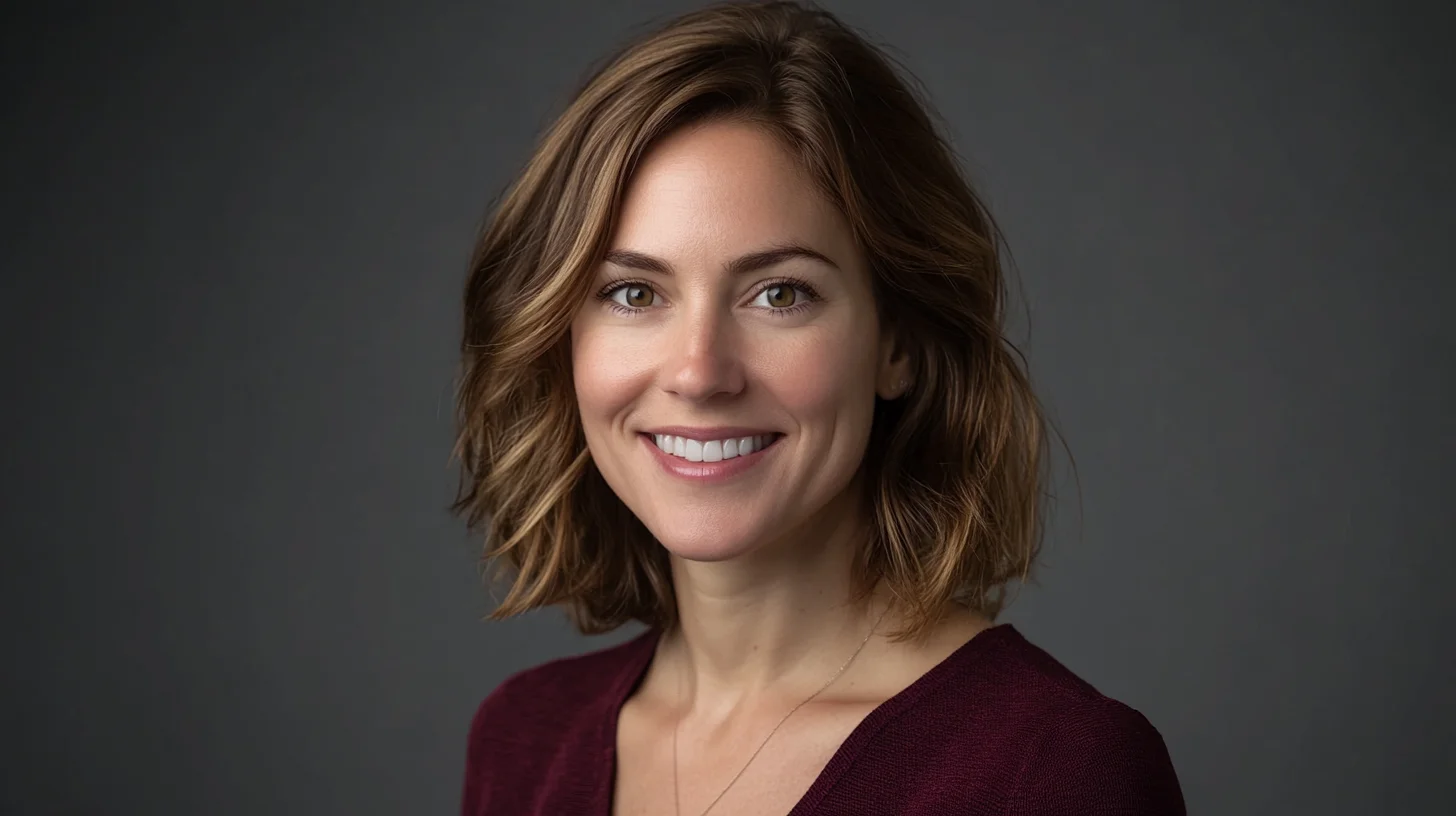
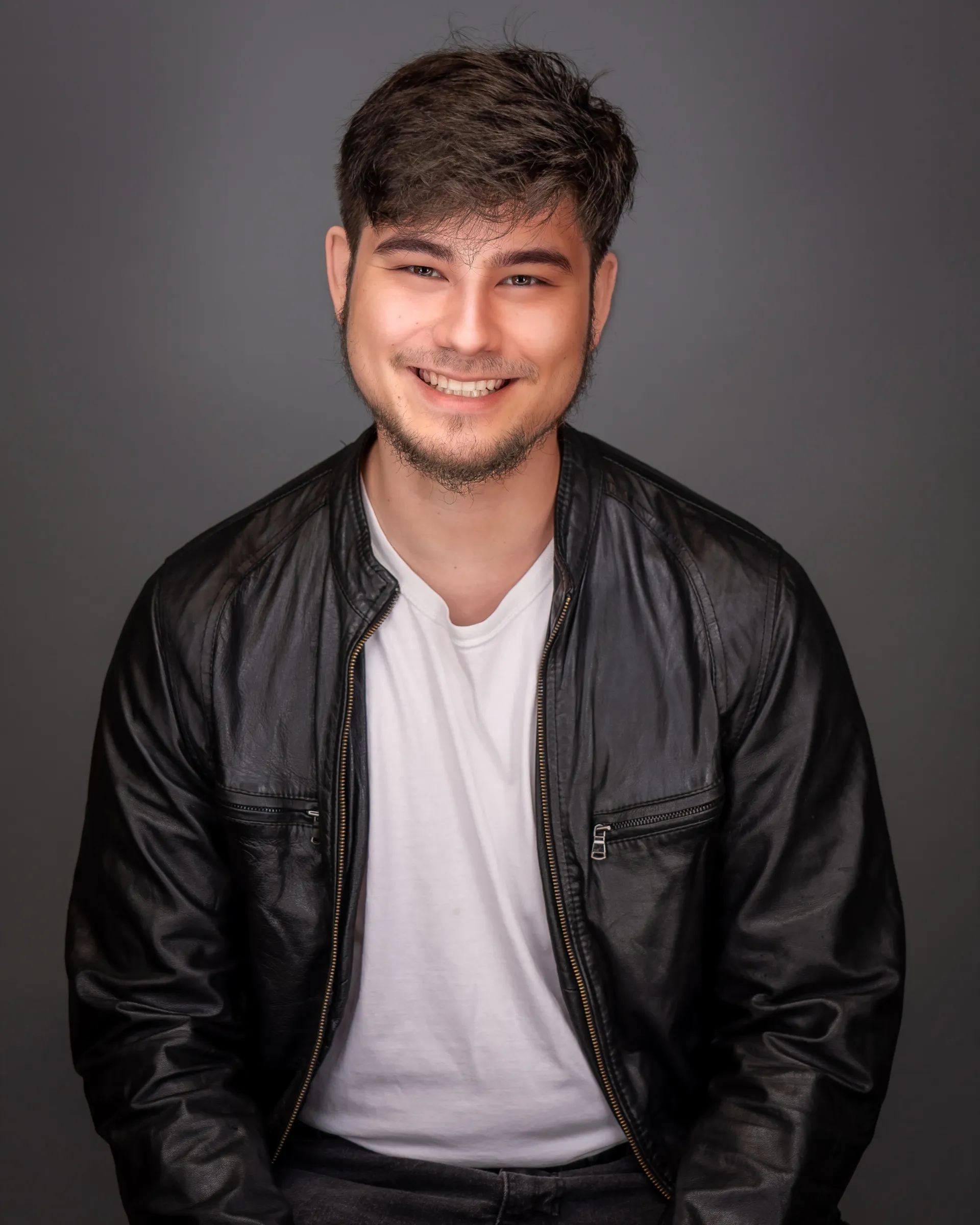
For Norwell clients who do have a legitimate outdoor relationship with the area, the highest-conversion profile structure I see is the studio-plus-outdoor composite: a clean studio primary photo as the swipe-layer signal, followed by one or two outdoor secondaries that establish the trail-identity context.

The reasoning: the studio photo does the hard work of winning the half-second swipe decision. It's controlled, well-lit, and reads cleanly at thumbnail size — which is where outdoor photos often fail because of dappled light and busy backgrounds. The outdoor secondary then does the storytelling — it confirms that the polished profile is attached to a real person with a real outdoor relationship.

The wrong structures: all outdoor (the swipe-layer suffers, you skip the strongest visual punch); all studio (the lifestyle context disappears, the profile reads as a corporate headshot); too many outdoors (the lifestyle claim gets oversold and starts to feel performative).

A typical Norwell session looks like this in practice: studio first (forty-five minutes, two or three wardrobe options against the seamless backdrop), then outdoor (forty-five minutes at Norris or Black Pond, weather permitting). The studio shots give you the primary plus a strong backup. The outdoor shots give you a secondary that locates you in a real place. Together they say: this person presents well and lives here.

If you've worked through this and concluded the outdoor angle is actually true for you, the service page linked at the top covers the logistics — locations, scheduling, weather contingencies, pricing. If the studio-only approach fits your real life better, that's the more honest profile and worth doing well.

For adjacent reading: Headshots in Norwell covers the LinkedIn work, Coastal-identity dating photos in Marshfield covers the coastal version of this lifestyle-identity conversation, the coastal-terminus dating identity one town east in Scituate addresses how the Greenbush endpoint shapes commuter-dater profiles, and the regional radius math for South Shore daters frames the broader geographic picture. For the craft side, the hour-by-hour walkthrough of a dating profile session covers what a shoot actually involves.

Frequently Asked Questions

Does Norris Reservation actually work as a profile photo location?

Yes — but specifically for people who actually go there. Norris reads well in a dating profile because it's a recognizable South Shore landscape (river estuary, old mill foundation, the boardwalk trail) that signals you live here and engage with the place. It reads badly when it's the only outdoor photo in a profile that otherwise shows zero connection to the outdoors — viewers can tell the difference between someone who walked the trail because they walk it every weekend and someone who got out of the car to take a photo. Morning light works best; mid-afternoon flattens the foliage and the river surface.

Should I do outdoor photos with or without my dog?

If you have a dog and walk it regularly, include one photo with the dog — but not the primary. The presence of an animal you obviously have an established relationship with is one of the most effective authenticity signals on a profile. The mistakes are using a friend's dog (people can tell), making the photo about the dog rather than you, or using it as the lead photo (the algorithm and the viewer both want a clear face shot first).

How do I avoid the “vacation photo” trap?

The vacation-photo trap is when an outdoor photo signals “I sometimes do interesting things” rather than “this is who I am.” The test is whether the photo could have happened on any random Saturday rather than only on a planned trip. A photo at Norris that looks like you stopped on your usual walk works better than a photo at Acadia that looks like a special vacation. The local-trail photo claims a continuous relationship with the outdoors; the vacation photo claims a one-time outing.

Is World's End too obvious a location at this point?

It's heading that way. World's End has become one of the most-used outdoor photo locations in the Boston-area dating-profile pool, and the signal value is decreasing as more profiles use it. It still works if you genuinely use it (live close, walk it regularly) and if your specific composition isn't a cliché (the standard tree-tunnel shot is becoming overexposed). For most Norwell clients I'd now recommend Norris, Indian Head River, or Black Pond before defaulting to World's End.

Chris McCarthy — Photography Shark

About the Author

Chris McCarthy

Chris McCarthy has run Photography Shark Studios in Rockland, MA for over 10 years and 500+ sessions, with executive headshot work for Rockland Trust, Clean Harbors, M&T Bank, and McCarthy Planning; founder portraits for AI startups including Lowtouch.ai; product photography for South Shore brands like Lauren's Swim; and headshots across South Shore legal, medical, financial, and academic practices. Every session is personally shot and edited by Chris on Sony mirrorless and Godox strobe systems — no assistants, no outsourcing, no batch retouching. Galleries deliver in 3–5 business days. About photographer Chris McCarthy →

Ready to Book a Session?

Professional headshots, senior portraits, boudoir, and model portfolios. Studio in Rockland, MA — 25 miles south of Boston. Sessions from $395.

Find a Boston-area studio near me