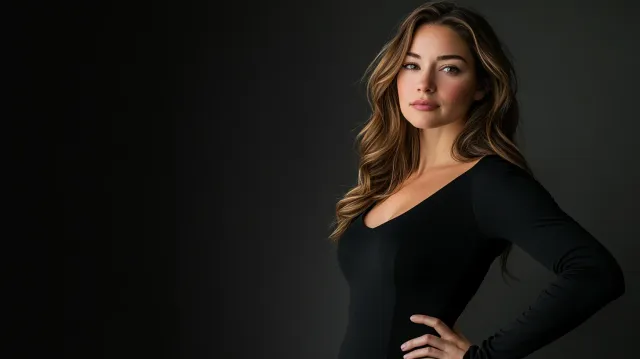
Boudoir Photography
Boudoir After Weight Loss: Celebrating the Transformation
A boudoir session after significant weight loss is one of the most meaningful sessions a client can book.
Chris McCarthy
Professional Photographer, Photography Shark · January 14, 2026 · Updated October 12, 2026
A boudoir session after significant weight loss is among the most meaningful sessions clients book. The motivation is usually clear, the intention is usually considered, and the resulting images often carry emotional weight well beyond what a standard session produces. Here's what to think about if you're considering this kind of boudoir session in Boston or the South Shore — drawn from photographer Chris McCarthy's experience running these sessions at the Photography Shark Rockland studio.
In my studio at 83 E Water Street, I have watched the boudoir session arc play out hundreds of times — nerves at the door, confidence by the third outfit change.
Why Weight Loss Triggers a Booking
The reason is almost never about looking thinner in photographs. It's about something more specific: wanting to document a body that worked for, and earned, the version of itself that now exists. The session isn't about an aesthetic ideal — it's about acknowledging effort and change that nobody else fully witnessed.
Most clients who book weight loss sessions describe some version of this: the internal transformation happened over months or years of work that was largely invisible, and the images are an external marker of something that was mostly experienced privately.
Timing: When to Book
Two considerations shape timing:
Body stability. Bodies continue to shift for several months after significant weight loss stabilizes. Skin tightens (or doesn't) at different rates. Muscle definition changes. Fat distribution redistributes. Booking during this settling period can produce images that quickly feel outdated as the body continues to change.
Most clients book when their weight has been stable for at least 2–3 months. Some wait longer — 6 months or more — specifically to let the body fully settle before documenting it.
Identity adjustment. There's often an internal lag between a body changing and a person's self-image adjusting to the new body. Many clients describe still seeing themselves as their old body when they look in the mirror, even months after the change. Sessions booked during this lag period sometimes feel disconnected from the client's experience of themselves.
The right timing is usually when the body has stabilized and you've had enough time to genuinely recognize the version of yourself you'll be photographing.
What These Sessions Look Like
Structurally, a weight loss session is the same as any other boudoir session — same 2–3 hour format, same lighting, same posing approach, same editing philosophy. What's often different is the tone in the consultation and the specific wardrobe and pose choices.
Wardrobe that reflects the journey. Many clients include at least one piece from their pre-weight-loss wardrobe that they couldn't or wouldn't have worn before. A lace bodysuit. A fitted dress. Something specific that means something. These pieces often produce the most emotionally resonant frames.
Newly purchased pieces. The other common wardrobe theme: pieces purchased specifically for the session because "I could never wear this before." These pieces carry intention embedded in them.
Pose choices that emphasize strength. Posing that shows muscle tone, definition, and the specific features that weight loss has revealed. Not bodybuilder-style flexing — but posing that acknowledges what the body has become. Clients who want the muscle itself to be the subject, rather than the intimacy of boudoir, are usually better served by a physique-focused studio session.
Handling Body Changes Honestly
Significant weight loss often produces specific physical markers: loose skin, stretch marks, scars, changed proportions. The editing approach for boudoir at Photography Shark treats these honestly:
Not hidden, not eliminated. These marks are part of what your body has been through. Aggressive editing that erases them produces images that don't match your reality and often feel wrong to clients in a way they can't quite articulate.
Lit and posed well. Good lighting and thoughtful posing minimize the visual prominence of concerns without removing them. This is different from digital alteration — it's using the natural tools of photography to produce flattering images that still accurately depict the body.
Transient versus permanent. Temporary marks (fresh blemishes, waistband lines, acute skin irritation) are reduced in editing. Structural features — loose skin, stretch marks, scars — are preserved.
The distinction matters. Clients who receive over-edited images that erase body features they recognize often describe a strange disappointment with the final gallery. Clients who receive honest images that show them beautifully but accurately tend to describe the opposite: a sense of being seen.
Pre-Session Considerations
A few practical notes specific to weight loss sessions:
Hydration matters more. Skin that's less elastic responds to hydration more visibly than skin that's been the same shape for years. Hydrate well in the days leading up to the session.
Body measurements for lingerie. Sizing that worked six months ago doesn't work now. Buy or rent lingerie close to the session date based on current measurements. Bring multiple size options for the same piece if you're uncertain.
Sleep. Loose skin looks softer and less prominent on rested skin. Tired skin tends to emphasize every concern.
Workout timing. Some clients schedule the session on a day when they've been lifting recently for visible muscle tone. Others prefer a rest day for softer presentation. Neither is better; it depends on what you want the images to emphasize.
The Emotional Arc
Weight loss sessions often come with a specific emotional pattern:
Pre-session: Anxiety about whether the body will "show" correctly, uncertainty about whether the images will represent the transformation appropriately.
During the session: Usually calmer than anticipated. The mid-session image previews often shift expectations significantly.
Gallery review (3–5 business days after): Frequently the most emotionally significant moment. Many clients describe this as the point where the journey feels externally documented in a way it hadn't been before.
Weeks after: Clients often describe returning to the gallery repeatedly. Weight loss sessions produce images that clients frequently keep using for years, not just on the immediate post-session timeline.
The Specific Categories of Weight Loss That Show Up
Not all weight loss sessions look alike, and the consultation conversation usually starts by understanding which version of the journey the client is marking. A few patterns that come up consistently:
GLP-1 medication weight loss. Ozempic, Wegovy, Mounjaro, and similar medications have changed the demographic and timing of weight loss bookings significantly over the last two years. Clients on these medications often see rapid changes (40–80+ pounds in 12–18 months) with a different physical signature than gradual weight loss — more pronounced facial slimming, sometimes more dramatic skin changes around the abdomen and arms. Sessions are usually best timed after the loss has plateaued for at least 2–3 months, partly so the body has stabilized and partly so the client has had time to recognize the new version of themselves.
Surgical weight loss. Bariatric surgery clients usually book 12–24 months after surgery, after the most rapid loss is complete and the body has settled into its new shape. Loose skin tends to be more pronounced in this category, and the sessions often deliberately incorporate that as part of the story. Some clients book a second session after a subsequent skin-removal procedure, marking the second phase of the transformation.
Sustained lifestyle change. Multi-year transformations through diet and exercise produce the most gradual physical signature — muscle development alongside fat loss, slower skin changes, often a more comprehensive identity shift. These clients often have specific posing requests that emphasize muscle tone and athletic capability rather than just smaller-ness.
Postpartum weight loss. Clients who have lost significant weight after pregnancy often blend the post-baby and post-weight-loss session categories — sometimes deliberately, sometimes because the timelines overlap. The session can acknowledge both arcs simultaneously without forcing a choice between them.
Each version produces a different specific texture in the consultation, the wardrobe choices, and the resulting gallery. The studio approach adapts; the underlying philosophy of honest documentation does not.
Lighting Choices for Loose-Skin Concerns
If loose skin is part of the conversation, the technical setup at the studio is calibrated to handle it well. The key choices:
Soft, wraparound light. Large diffused sources at 45 degrees rather than hard or front-flat lighting. Hard light emphasizes every skin transition and texture; soft light minimizes the shadow lines that make loose skin most visible.
Slightly higher key-light position. Light placed above eye level pulls visual attention upward in the frame and softens what's happening across the abdomen and arm undersides — the two areas where loose skin most commonly registers as a concern.
Strategic rim light. A backlight along the body edge defines silhouette without illuminating the front of the body's looser areas. This produces frames where the body reads as defined and lit beautifully without flat-lighting the spots clients are usually anxious about.
Black or deep-toned wardrobe and backdrop combinations. Where appropriate, dark wardrobe with matched dark backdrops creates negative space that lets the client choose what to emphasize. This is one of the most consistently flattering aesthetic directions for clients with loose skin concerns.
None of this is about hiding — it's about making thoughtful technical choices that produce honest images the client is genuinely proud of.
Ready to Book?
If you're at a point where a post-weight-loss boudoir session feels right, get in touch to schedule a consultation. Photography Shark is based in Rockland, MA, serving Boston and the full South Shore.
Related reading: Boudoir, confidence and body image · Boudoir photography in Massachusetts — what to expect · Boudoir services & pricing · Private South Shore boudoir sessions Related: headshots after weight loss.
Frequently Asked Questions
How long should I wait after weight loss to book a boudoir session?
Most clients book when their weight has been stable for at least 2–3 months. This gives skin time to settle, gives you time to adjust to your new body image, and reduces the likelihood of the images reflecting a transitional state rather than where you actually are.
What if I'm uncomfortable with loose skin or body changes from weight loss?
Loose skin, stretch marks, and other physical markers of significant weight change are photographed honestly — they're part of what your body has been through, and honest posing and editing treats them as part of the story rather than something to hide. Editing reduces transient marks but preserves what's structurally you.
Is boudoir just about looking thinner?
No. Good boudoir photography isn't about creating the thinnest possible image of someone — it's about creating beautiful, accurate images that reflect how you actually look. Weight loss sessions often emphasize the transformation as part of the meaning of the images, but the goal isn't a smaller-looking photograph; it's a true one.
Will loose skin look worse on camera than in real life?
Usually no, often the opposite. Good lighting and thoughtful posing hide or de-emphasize loose skin effectively. Most clients report being pleasantly surprised at how their images handle concerns they'd been anxious about.
Can I book a weight loss session as a gift to myself?
This is one of the most common motivations for weight loss boudoir sessions. A session that marks significant personal work is fundamentally self-directed, and nobody else needs to see the images unless you decide to share them.
Related Posts




You Might Also Like
About the Author
Chris McCarthy
Chris McCarthy has run Photography Shark Studios in Rockland, MA for over 10 years and 500+ sessions, with executive headshot work for Rockland Trust, Clean Harbors, M&T Bank, and McCarthy Planning; founder portraits for AI startups including Lowtouch.ai; product photography for South Shore brands like Lauren's Swim; and headshots across South Shore legal, medical, financial, and academic practices. Every session is personally shot and edited by Chris on Sony mirrorless and Godox strobe systems — no assistants, no outsourcing, no batch retouching. Galleries deliver in 3–5 business days. About the photographer →
Photography Shark · Boston & South Shore MA
Ready to Book a Session?
Professional headshots, senior portraits, boudoir, and model portfolios. Studio in Rockland, MA — 25 miles south of Boston. Sessions from $395.