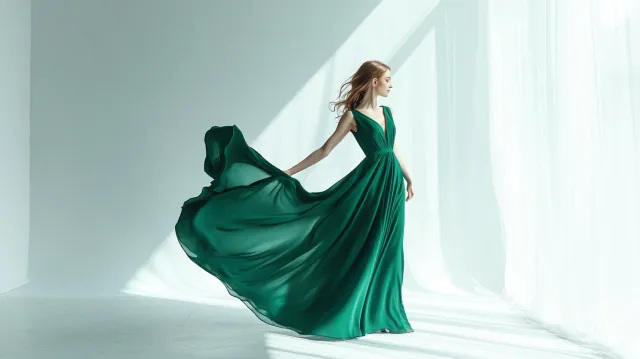
Blog / fashion
fashion
Clothing Photography Boston — Studio Lookbooks
Clothing and fashion lookbook photography in Boston and South Shore MA. Photography Shark's Rockland studio shoots on-model work for brands and boutiques.
Chris McCarthy
Professional Photographer, Photography Shark · April 12, 2026 · Updated May 23, 2026
Clothing product photography for e-commerce and retail is a precise, repeatable discipline — the opposite of the editorial work covered in the fashion photography post. Where editorial photography tells a brand story, product photography sells a SKU. Boston-area boutiques, e-commerce brands, sustainable apparel makers, and small-batch designers all need product photography that meets the technical standards of Shopify storefronts, Amazon-grade marketplaces, and digital retail in general. This post is about that work specifically — the studio setup, the four standard formats, what it costs, and how the Rockland studio fits in.
(For editorial brand campaigns, see fashion photography in the Boston area. For model-portfolio work, see the model portfolio service page. This post covers the product-side: how garments get photographed for retail.)
The four standard product-photography formats
1. Flat-lay (lay-flat) photography. Garments laid flat on a clean white background, photographed from directly overhead. Used for product listings where the brand wants to show a garment's full silhouette without a model. Lightweight technical setup, consistent across the catalog, fast to produce. The default for many e-commerce brands' primary product photos.
2. Ghost mannequin (invisible mannequin) photography. Garments photographed on a mannequin, then post-produced to remove the mannequin so the garment appears to hold its shape on its own. Used by retailers who want to show the garment's three-dimensional fit without a model's distraction. Standard for Amazon, Walmart Marketplace, and most enterprise-scale apparel catalogs because it provides consistent fit visualization across the SKU set.
3. On-model (model-wearing) photography. Garments photographed on a model against a clean studio backdrop (typically white or light gray). Used for product detail pages where the brand wants to show fit, scale, and styling context. Often combined with flat-lay or ghost-mannequin photos in the same product listing.
4. On-model lifestyle/editorial. Garments photographed on a model in an environmental setting — café, urban street, coastal location, in-home. Used for hero banner photography, social-media content, and brand campaign work that lives alongside the product photography but isn't doing the literal product-listing job. Often produced in the same shoot as on-model clean product work to maximize efficiency.
Most Boston-area e-commerce brands need a combination of these — typically flat-lay or ghost mannequin for primary product images, plus on-model clean for the secondary images on each PDP, plus on-model lifestyle for the brand's homepage and social.
Studio setup for clean product work
The Rockland studio has the infrastructure clean product photography requires:
- White, light gray, charcoal, and black seamless backdrop paper — sweeps cleanly without floor/wall transition lines
- Calibrated Godox strobe lighting in both clamshell and broad-soft configurations — produces consistent color accuracy across a multi-day shoot, which is the standard a retail catalog has to hit
- Steamer + iron + lint rollers + clamps — the supporting tools that determine whether garments photograph as crisp or rumpled
- Mannequins available for ghost-mannequin work in standard sizes
- Floor and overhead camera positions for flat-lay work
- Color calibration tools (X-Rite ColorChecker) for shots requiring color-accurate reproduction (a real concern for apparel sold online where return rates spike when displayed color doesn't match received color)
Sony A7-series cameras with prime lenses (50mm, 85mm) for on-model work; tethered shooting for live review during shoots that need same-day approvals from the brand client.
What a typical session looks like
A typical clothing photography session at Photography Shark depends on the format mix:
- Flat-lay-only sessions: 40–80 garments in a half-day, depending on garment complexity. Fast, repeatable, lower per-image cost.
- Ghost-mannequin sessions: 15–30 garments in a half-day. Slower because each garment requires fitting on the mannequin, light adjustment, and post-production stitch-together work after the shoot.
- On-model clean product sessions: 20–40 looks in a full day with one model, depending on outfit-change frequency. Each look is shot on the same backdrop with the same lighting to maintain catalog consistency.
- On-model lifestyle/editorial sessions: 8–20 looks in a full day, more variation in setup, more rounds of expression and direction. Higher per-image cost, lower per-image volume.
Hybrid sessions (e.g., on-model clean + lifestyle for the same model in a day) maximize value for brands with mixed needs.
Pricing model
Like the editorial work, clothing product photography is project-quoted because scope varies. Key variables: number of garments, number of formats per garment, model use, location/studio split, turnaround speed, exclusivity, and rights duration. The Rockland studio is also available as a photo studio rental at $55/hour for brands that want to use their own photographer in the space; that's a separate product line and often the right fit for brands with an in-house photographer on staff.
What a real lookbook shoot week actually looks like
The cleanest way to explain the work is to walk through what a typical commissioned shoot involves end-to-end. The version below is a composite of the apparel and boutique work I do most commonly — names anonymized, but the shape is real.
A small Boston apparel brand books a half-day session in early September to shoot a seasonal capsule — eight looks, primarily on-model studio with three or four selected garments duplicated as flat-lay for the product detail pages. Samples ship to the Rockland studio the week before. I unbox them, photograph each garment laid flat against a neutral surface for the brand's reference (catalog tags, defects to flag, anything that needs steaming), and confirm size and fit notes with the brand before model casting.
The model arrives Tuesday morning at 8 AM. The first hour is wardrobe — hair and makeup, garment fitting, lighting tests on the model's actual skin tone (because the test frames I shot the day before with stand-in lighting are never exactly right once the real model is in the frame). The brand's owner is on site for the first two looks, then goes back to her studio to handle the rest of her workweek; review and approval happen by text and a shared review gallery on the proof platform.
Eight looks in roughly five hours of shooting, including outfit changes, lighting adjustments between styles (a black knit needs different fill light than a cream linen), and a short outdoor walk around the block for one of the looks where the brand wanted environmental context. Lunch is fast. The model leaves by 2 PM. By 5 PM the day's selects are uploaded to the review platform; by Friday the brand has color-graded, retouched finals for both the on-model and flat-lay deliverables. Total turnaround from shoot day to web-ready files: five business days.
That's the rhythm. The specific economics vary — some shoots are larger, some need ghost-mannequin work that adds post-production days, some include a separate editorial mini-shoot for the homepage banner — but the structural shape is the same: pre-shoot sample handling, a tightly scheduled shoot day, color and select work in the days following.
Common mistakes brands make when commissioning lookbook work
After several years of doing this for South Shore and Boston-area apparel brands, the failure modes are consistent enough to call out:
Bringing the wrong model for the brand. The model who reads "lookbook-ready" in a casting photo can be wrong for the actual brand. A modeling agency comp card emphasizes versatility and editorial range; what an apparel brand actually needs is a model who looks like the brand's target customer wearing the brand's clothes. Casting from your customer email list (with permission and compensation) sometimes produces better-converting product photos than booking a polished agency model whose styling reads slightly off from the brand's identity.
Underestimating wardrobe and sample logistics. Apparel brands frequently underestimate how much time is consumed by garment prep — steaming, lint-rolling, fitting alterations on the day, swapping shoes between looks because the heels don't work with the next outfit. Building thirty minutes per outfit change into the schedule (rather than ten) is the difference between a calm shoot day and one where the last two looks get rushed and don't make the final selects.
Skipping color calibration on the first pass. A brand once delivered me a complaint about how the navy in their final files "wasn't quite right" — turned out their internal review screen was running an uncalibrated profile while my edit was on a calibrated wide-gamut monitor. Now I deliver a color-reference frame with the final gallery (a still life including a ColorChecker target) so the brand can verify their own monitor's drift against the standard. This single step has eliminated about 80% of the color-disagreement back-and-forth that used to consume the days after delivery.
Not budgeting for retouching. Lookbook and product photography both involve more post-production than brands expect. Skin retouching, garment cleanup (loose threads, lint, distracting wrinkles that didn't get caught during shooting), seamless background extensions where the sweep wasn't quite wide enough — this is real work, and it's the difference between "good enough for the brand's own social" and "competitive on the storefront with national peers." Budget accordingly when scoping the shoot.
Underestimating return-rate impact of bad product photos. For an apparel brand selling online, return rates spike when photos misrepresent color, fit, or fabric texture. Brands that invest in proper studio photography typically see returns drop by a measurable percentage compared to phone-shot or hastily-produced product images. The photography budget often pays for itself in reduced returns within the first season.
How to scope a shoot for budget
When I send a proposal, the line items the brand sees are usually: shoot day rate, model fee (if I'm booking), studio fee (built in if at Rockland), per-image retouching, and a license term. Where brands often want to negotiate is on the model and the retouching; where they should usually invest more is in the model casting and the color calibration. The math: a stronger model adds maybe $400 to a half-day shoot but can lift the conversion rate on every product page the photos run on for the full season. Saving the $400 by booking a weaker model and then re-shooting in three months because the photos don't perform is the most expensive way to do it.
For shorter sessions or pre-launch capsule shoots, brands sometimes ask whether they can compress timeline by skipping the pre-shoot sample fitting. Almost always the answer is no — the time we save up front is paid back in confusion on shoot day when garments don't fit the booked model the way the brand assumed they would.
Studio rental option for in-house photography teams
A growing number of Boston-area brands run their product photography in-house but lack adequate space for catalog-scale shooting. The Rockland studio is fully equipped — strobes, backdrops, modifiers, mannequins, steamer setup — and rentable for hourly or day-long bookings. This is the right fit for brands that want studio-grade infrastructure without owning it: tech startups, sustainable fashion brands, boutique apparel makers, and small-batch designers with growing catalogs. See the photo studio rental page for current rates and availability.
For brands wanting Photography Shark to shoot the product work directly, contact the studio at (781) 312-8824 with the project brief — number of SKUs, format mix, deliverable schedule, and target launch date. The studio is at 83 E Water Street, Rockland MA, 35 minutes south of downtown Boston via Route 3 with free on-site parking.
Frequently Asked Questions
Does Photography Shark shoot clothing and fashion photography for brands and designers?
Yes. Photography Shark shoots on-model clothing photography for boutiques, independent designers, and apparel brands in the Boston and South Shore area. Studio sessions with seamless backdrops or location-based editorial lookbook sessions are both available.
What's the difference between lookbook photography and e-commerce clothing photography?
E-commerce photography prioritizes consistency and clarity — clean backgrounds, consistent framing, accurate color representation for online retail. Lookbook photography is more editorial — it tells a story about the brand's aesthetic, models the clothing in context, and is used for campaign materials, social media, and brand marketing rather than product listings.
Does Photography Shark provide models for clothing photography sessions?
Chris can refer clients to models from the South Shore and Boston area who are experienced with lookbook and clothing photography. Alternatively, clients can bring their own talent. The session can also be structured around the designer or brand owner as the model if appropriate.
Where is Photography Shark's clothing photography studio?
83 E Water Street, Rockland, MA 02370 — on the South Shore, about 25 miles from Boston. The studio has white, gray, and black seamless backgrounds suitable for e-commerce and studio lookbook photography, plus access to location environments for editorial sessions.
How much does a clothing photography session cost at Photography Shark?
Clothing and fashion photography pricing depends on session length, number of looks, and whether models are provided. Contact Photography Shark for a custom quote based on your specific project scope.
Can Photography Shark shoot both the model headshots and the clothing lookbook in the same session?
Yes. For brands that need model headshots alongside their lookbook imagery — for website team pages, social media, or press materials — both can be incorporated into a single session efficiently.
Related Posts
You Might Also Like
About the Author
Chris McCarthy
Chris McCarthy has run Photography Shark Studios in Rockland, MA for over 10 years and 500+ sessions, with executive headshot work for Rockland Trust, Clean Harbors, M&T Bank, and McCarthy Planning; founder portraits for AI startups including Lowtouch.ai; product photography for South Shore brands like Lauren's Swim; and headshots across South Shore legal, medical, financial, and academic practices. Every session is personally shot and edited by Chris on Sony mirrorless and Godox strobe systems — no assistants, no outsourcing, no batch retouching. Galleries deliver in 3–5 business days. More about the photographer →
Photography Shark · Boston & South Shore MA
Ready to Book a Session?
Professional headshots, senior portraits, boudoir, and model portfolios. Studio in Rockland, MA — 25 miles south of Boston. Sessions from $395.