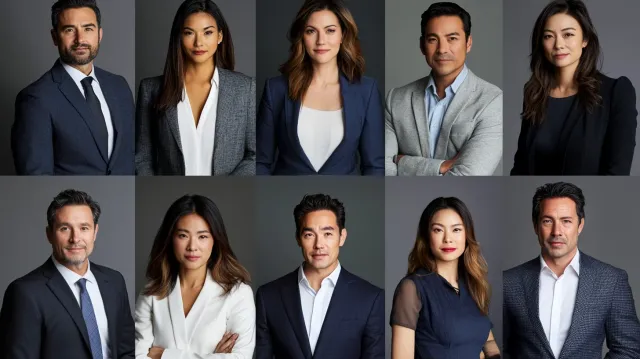
Headshots
Professional Headshot Examples: What Makes Great Ones Stand Out
Professional headshot examples across industries — what separates strong examples from weak ones, organized by use case with technical breakdowns of lighting, expression, and framing.
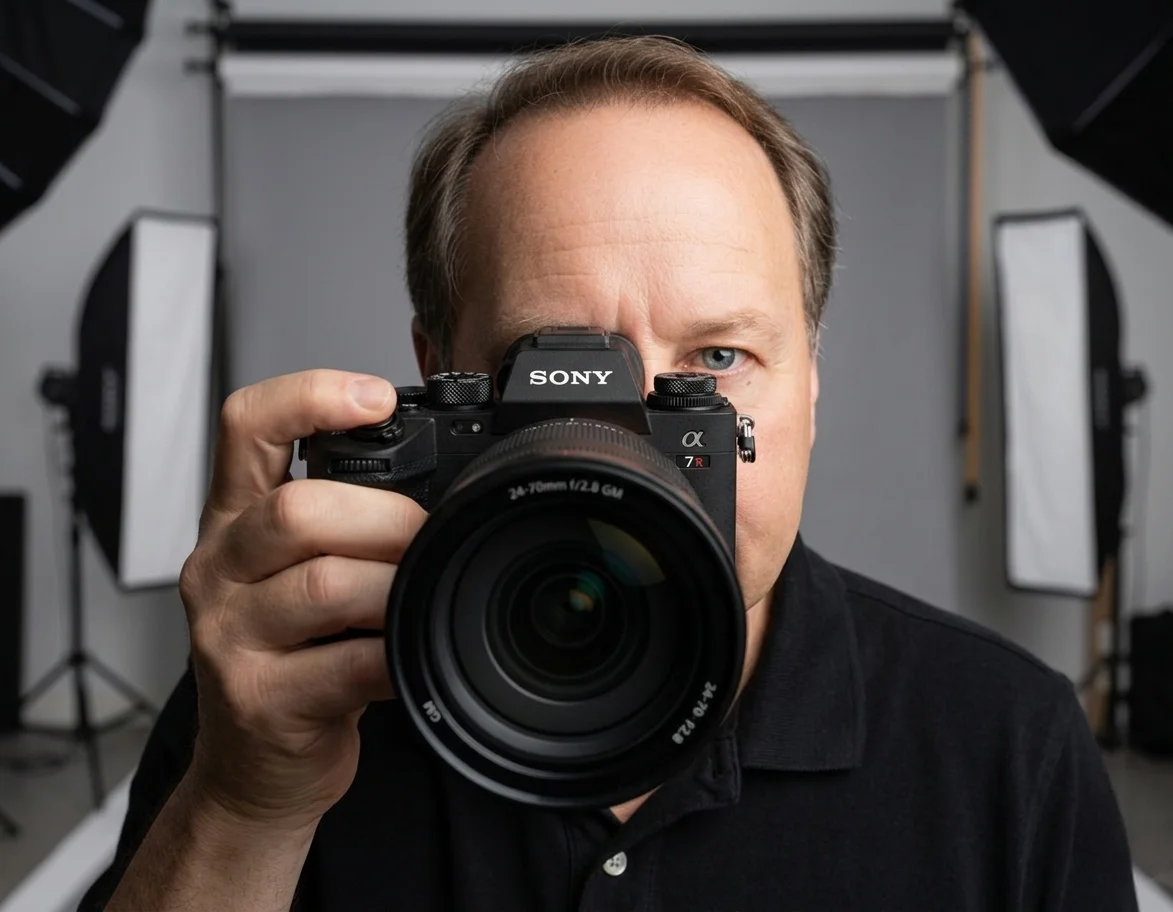
Chris McCarthy
Professional Photographer, Photography Shark · April 12, 2026 · Updated May 27, 2026
Looking at professional headshot examples is the most reliable way to understand what differentiates a good headshot from a generic one. The patterns that emerge across strong examples are consistent regardless of industry — clean lighting, deliberate framing, expression calibrated to the use case — but the specific look varies by what the headshot is for. This guide breaks down what professional headshots look like across the industries Photography Shark commonly works with — what makes each one work, what to avoid, and where to find live examples in the portfolio.
In my experience shooting headshots across Boston and the South Shore, the details that matter most are rarely the ones clients worry about.
Gallery: Headshot Examples by Category
A representative sample from Photography Shark's Boston-area sessions. Each links to the dedicated service page for that category, where you can see the full portfolio and pricing.
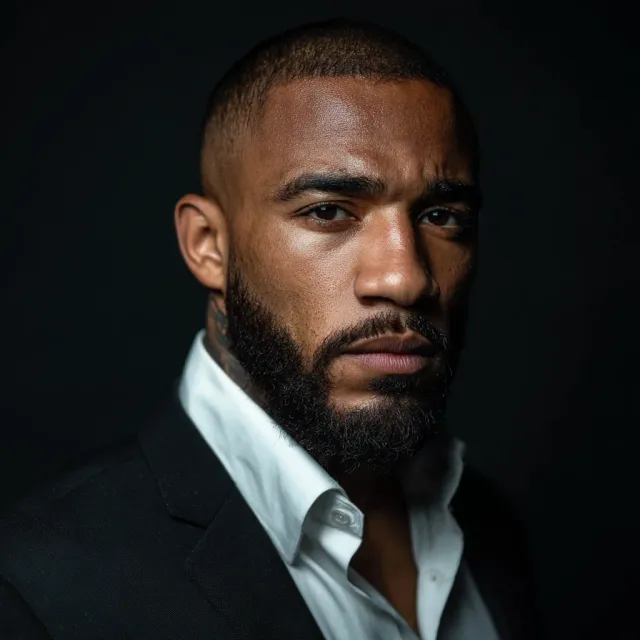
Executive headshot, charcoal seamless backdrop, single-light Rembrandt setup — typical for Boston executive headshots.
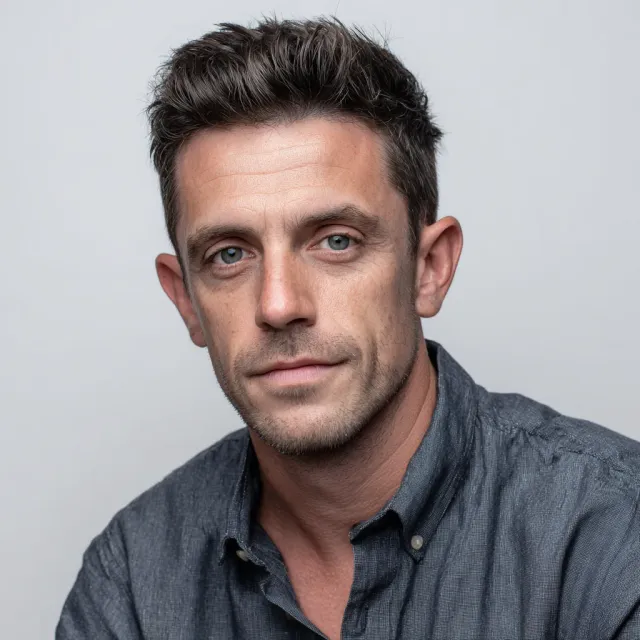
Actor headshot, medium gray backdrop — calibrated for Actors Access and Casting Networks submissions. See actor headshots Boston.
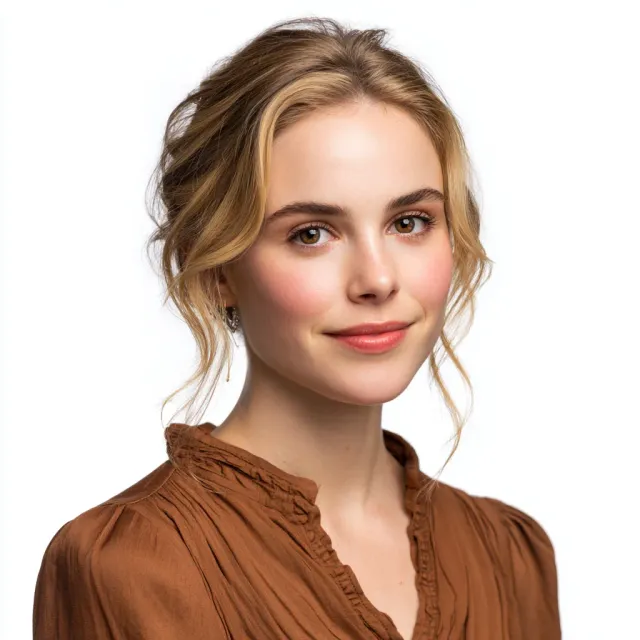
LinkedIn headshot, tight crop for thumbnail readability, warm controlled smile — see LinkedIn headshots Boston.
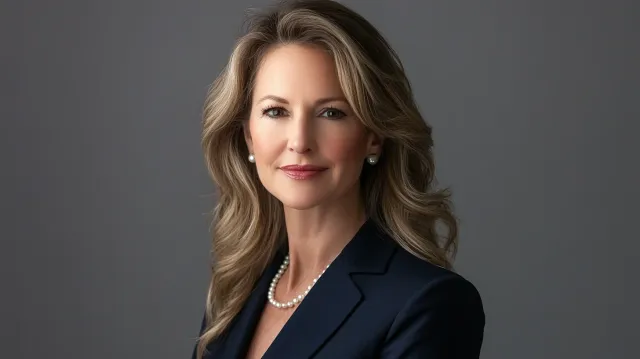
Legal headshot, darker backdrop, composed neutral expression — what most firms expect for partner pages. See lawyer headshots Boston.
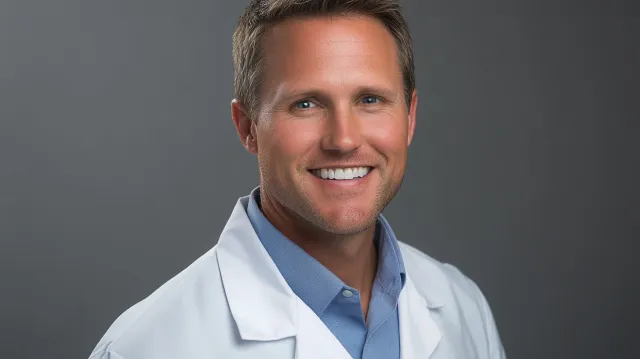
Healthcare provider headshot, lighter backdrop, warm approachable expression — calibrated for practice websites and Zocdoc. See dentist headshots Boston.
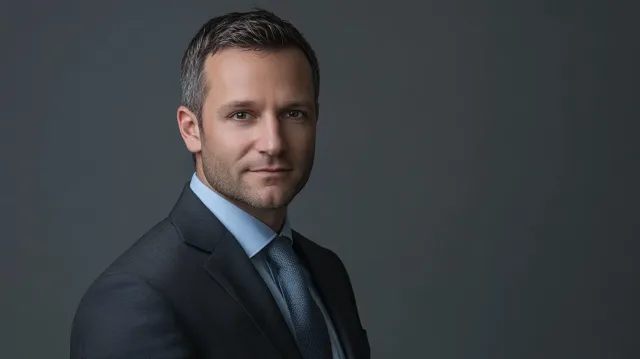
Finance headshot, mid-tone backdrop, restrained smile, conservative wardrobe — matches the trust signals finance and CPA professionals need. See CPA headshots Boston.
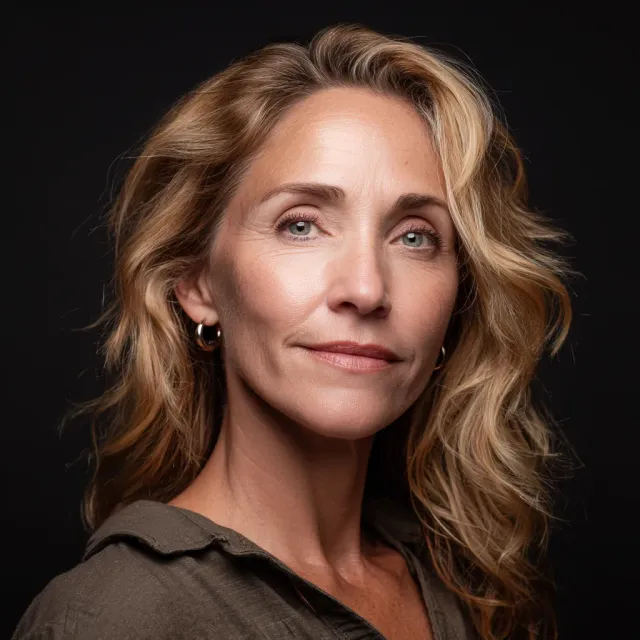
Corporate professional headshot for company website — see corporate headshots Boston.
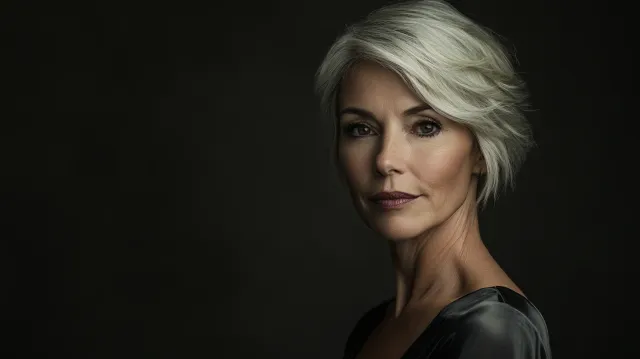
40 Over 40 campaign portrait — premium editorial-style professional portrait. See 40 Over 40.
The patterns to note across these: consistent strobe lighting, deliberate body angle (not square-on), expression calibrated to industry context (warm for healthcare, composed for legal, confident for corporate), and backdrop choice matching the use case. Each is captured in the same Rockland studio with the same equipment — the look differs because the direction differs.
What "Professional Headshot" Actually Means
A professional headshot is a tightly-framed photograph (typically chest-up or shoulders-up) intended for professional or commercial use. The defining characteristics are:
- Crop: mid-chest to shoulders up. Anything broader is a portrait, not a headshot.
- Focus: sharp on the eyes specifically. The eyes are the keeper detail.
- Lighting: even, flattering, no harsh shadows. Directional but soft.
- Background: neutral, industry-calibrated. Rarely distracting.
- Expression: approachable + confident. Not stiff. Not performative.
- Wardrobe: matches the use context. Solid colors, no busy patterns.
Examples that fail usually fail at the framing or lighting layer first, then at expression. Background is rarely the deal-breaker — though the shade you pick still signals something, and it varies by industry.
What Makes a Great Headshot Example
After shooting thousands of headshots in my Rockland studio, the gap between a strong headshot example and a forgettable one comes down to six controllable variables. Understanding these helps you recognize quality when you see it — and helps you communicate what you want before your session.
Lighting Quality
Lighting is the single biggest differentiator between professional headshot examples and amateur ones. In studio work, I use strobes with large modifiers (softboxes, octaboxes, or beauty dishes) that wrap light around the face without creating harsh shadows. The goal is directional but soft — you want enough shadow to create dimension (a completely flat-lit face looks like a passport photo), but soft enough that the transitions between light and shadow are gradual. A controlled-light studio headshot session gives the photographer the latitude to dial in this exact ratio for each subject's face shape and skin tone.
The classic patterns I use most are Rembrandt lighting (a small triangle of light on the shadow-side cheek), loop lighting (short shadow from the nose angling down at about 45 degrees), and butterfly lighting (shadow directly under the nose, flattering for most face shapes). Each creates a different mood. The best headshot examples show a deliberate choice — the photographer picked a pattern that works for that face and that use case, not just whatever the lights happened to be doing.
Watch for specular highlights on the forehead and nose. In strong examples, they're controlled and small. In weak ones, the face looks oily or blown out.
Expression Authenticity
The expression has to look like the person actually makes that face in real life. This is where a lot of headshots fall apart — the subject freezes into a performative version of "professional" that reads as uncomfortable. The best professional headshot examples capture micro-expressions that feel genuine: a slight asymmetry in the smile, relaxed muscles around the eyes (real smiles engage the orbicularis oculi muscles around the eyes, not just the mouth), jaw that's not clenched.
I spend the first ten minutes of every session just talking — not shooting — specifically to get past the stiff early expressions. The images that clients end up choosing almost always come from the second half of the session when the self-consciousness has burned off.
Background Choice
The background should serve the subject, not compete with it. In strong examples of headshots, you'll notice the background does one of two things: it either drops away entirely (seamless paper, solid color) or it adds a deliberate texture that complements the subject's industry (exposed brick for creative professionals, for instance). What it never does in a good headshot example is pull your eye away from the face.
Color matters too. Cooler backgrounds (gray, navy, charcoal) read as more authoritative. Warmer backgrounds (cream, warm gray, tan) read as more approachable. I match the background to the client's industry and the feeling they want their headshot to convey.
Framing and Composition
Professional headshots follow a narrow set of framing conventions because those conventions work at the sizes where headshots actually get used. The standard crop is mid-chest to just above the head, with the eyes landing roughly on the upper third line. Too tight and the face fills the frame in an uncomfortable way. Too loose and the image loses its impact at LinkedIn thumbnail size.
Body angle matters as much as crop. Almost every strong headshot example shows the subject's body angled slightly away from the camera (one shoulder closer to the lens than the other), with the head turned back toward center. This creates a natural, dynamic composition instead of the flat, square-on look of a mugshot or ID photo.
Focus Precision
In any professional headshot example worth studying, the focus is locked on the eyes — specifically the eye closest to the camera. At the shallow depths of field common in headshot work (f/2.8 to f/5.6 on a 70-200mm lens), the plane of focus is razor thin. If focus lands on the ear or the tip of the nose instead of the iris, the image fails regardless of how good everything else is.
This is one of the technical details that's invisible when it's right and immediately obvious when it's wrong. Check the catchlights in the eyes (the reflections of the light source) — if they're crisp and defined, focus is sharp. If they're soft, something went wrong.
Retouching Quality
The best headshot examples are retouched. The retouching is just invisible. Professional retouching removes temporary distractions (a blemish, a stray hair, a wrinkle in the shirt collar) while preserving everything that makes the face look like the actual person. Skin texture stays. Pores stay. Expression lines stay.
The line I use with clients: you should look like yourself on your best day, not like a different person. Over-retouching — airbrushed skin, whitened eyes, artificially smoothed forehead — is immediately recognizable and undermines trust, which is the entire point of a professional headshot.
Headshot Examples by Use Case
Different contexts demand different visual conventions. Here's what strong headshot examples look like for each major use case, and why the differences matter.
LinkedIn and Professional Networking
LinkedIn headshots get viewed at 100×100 pixels in the feed and 400×400 on the profile. That thumbnail constraint drives every decision. The best LinkedIn headshot examples have high contrast between the subject and background, tight framing (more face, less shoulder), and expressions that read as approachable even at tiny sizes. A warm, genuine smile outperforms a serious expression on LinkedIn specifically because the platform's context is networking — people are deciding whether to connect with you.
Color choices that work: light to mid-gray backgrounds, warm navy, white. Colors that don't work at thumbnail scale: anything too close to the subject's skin tone or hair color, which causes the face to blend into the background. See LinkedIn headshots in Boston for examples calibrated specifically to this platform.
Actor and Casting Submissions
Actor headshots operate under different rules than every other category. Casting directors flip through hundreds of submissions per role, spending two to three seconds on each. The headshot has to communicate type instantly — are you the best friend, the villain, the romantic lead? Strong actor headshot examples show range across a set: a warm commercial smile for sitcom and advertising work, a grounded theatrical expression for drama, and sometimes a character-specific look for niche casting.
Technical requirements are also stricter. Actors Access and Casting Networks have specific file format and dimension requirements. The crop needs to work in both 8x10 and the platform's native thumbnail. Background should be neutral enough that the casting director's eye goes straight to the face. I cover the full format breakdown on the actor headshots Boston page.
Corporate Team Pages
When a company commissions headshots for their team page, visual consistency across individuals matters as much as individual quality. The best corporate headshot examples show a cohesive set: same background, same lighting setup, same approximate framing — so the team page reads as unified rather than a patchwork of different photographers' styles from different years.
Within that consistency, each individual still needs to look like their best self. The expression should match the company's brand positioning: warm and casual for a startup, composed and authoritative for a law firm or financial advisory. See corporate headshots for examples of team-consistent sets.
Personal Branding
Personal branding headshots have the widest creative latitude because the "brand" is whatever the individual defines it as. A life coach, a consultant, a solo entrepreneur — each needs a headshot that communicates their specific positioning. The strongest examples of headshots for personal branding break at least one traditional headshot convention deliberately: a slightly wider crop to show a signature wardrobe element, a non-standard background that reinforces the brand's visual identity, or a more editorial pose that communicates energy rather than corporate reserve.
The key is that the rule-breaking is intentional. Random rule-breaking looks amateur. Deliberate rule-breaking looks branded. Regardless of the creative direction, knowing what a session actually costs helps set realistic expectations — the headshot pricing guide for the Boston market explains what different price tiers include.
Dating Profile Photos
Dating headshots are one of the fastest-growing categories I shoot, and they follow a genuinely different set of conventions than professional work. The expression needs to feel warm and natural — not corporate-polished. A slight head tilt, a real laugh caught mid-moment, eye contact that feels inviting rather than authoritative. The wardrobe should be what you'd actually wear on a date, not a suit (unless that's actually your style).
Background matters here too. Something slightly warmer and less formal than a corporate gray — cream, warm white, or even a subtle textured backdrop that adds visual interest without looking like a studio setup. The goal is a photo that looks professional in quality but natural in feeling. Professional headshot poses covers the posing fundamentals that apply across both professional and dating contexts.
Medical and Healthcare Directories
Healthcare headshots serve a specific psychological function: they need to make a patient feel comfortable choosing this provider before meeting them in person. The best healthcare headshot examples show a warm, genuine smile (not the restrained expression common in legal or finance), a white-coat option for clinical credibility alongside a non-coat option for the practice's website, and a lighter background that reads as clean and clinical without being sterile.
Zocdoc, Healthgrades, and similar directories display headshots at small sizes alongside dozens of competing providers. High contrast and a clear, warm expression are the differentiators at that scale.
Legal Firm Websites
Law firm headshots are among the most convention-bound categories. Partners and associates expect a specific look: darker backgrounds (charcoal, navy, black), formal wardrobe (dark suit, conservative tie or blouse), and an expression that communicates competence and seriousness. The best legal headshot examples walk the line between authoritative and approachable — a composed neutral with just enough warmth in the eyes that the viewer doesn't feel intimidated.
Consistency across the firm page matters enormously. When one partner has a casual snapshot and another has a studio portrait, the page looks disorganized — which is the opposite of the signal a law firm wants to send.
Real Estate Agent Listings
Real estate headshots need to reproduce clearly across the widest range of media: MLS thumbnails, yard signs, business cards, mailers, billboard ads. That reproduction range demands high contrast, clean backgrounds, and confident expressions. The best examples show an agent who looks trustworthy and energetic — the two qualities every buyer and seller is looking for.
Some brokerages mandate specific background colors or brand elements. I accommodate those requirements while still making the individual look their best within those constraints. For the full breakdown of what brokerages expect — MLS crops, yard-sign reproduction, and brand-guide compliance — see the complete guide to real estate agent headshots.
Speaker and Author Bios
Speakers and authors need headshots that work at multiple aspect ratios: square for podcast art and social media, vertical for press kits and book jackets, landscape for conference programs and event marketing. The best headshot examples for speakers show strong eye contact paired with a confident expression that reads well whether the image is 50 pixels wide on a conference schedule or full-page in a book's "About the Author" section.
Deliverables for speaker clients typically include both a formal option (blazer, composed expression) and a casual option (open collar, warm smile) because different event organizers want different tones. See speaker headshots Boston and author headshots Boston for the full range.
Common Headshot Mistakes: What Bad Examples Look Like
Recognizing what goes wrong in weak headshots is just as useful as studying strong ones. These are the failure patterns I see most often when clients show me the headshots they want to replace.
Over-Retouched Skin
This is the most common mistake in professionally-shot headshots that still look wrong. The skin has been smoothed to the point where pores, texture, and natural expression lines disappear. The result looks uncanny — clearly a photo of a real person, but something is off. Over-retouching breaks trust immediately because it signals dishonesty. The person in the headshot won't look like that in person, and the viewer knows it.
Good retouching removes temporary imperfections (blemishes, under-eye circles from a bad night's sleep, a scratch). It preserves permanent features (laugh lines, skin texture, freckles, the natural contour of the face). If you can't see any pores in a headshot, the retouching went too far.
Awkward Crops
Cropping too tight makes the subject look like they're pressed against the frame. Cropping too loose loses the intimacy and impact that makes a headshot work. The worst crop mistake is cutting at a joint — cropping at the wrist, at the elbow, or at the neck creates visual tension because the viewer's brain registers the amputation. Professional framing crops at mid-chest or mid-bicep, never at a natural joint line.
Another common crop error: centering the face in the exact middle of the frame. Headshots work better with the eyes on the upper third line, with slightly more space in front of the face (the direction the subject is looking) than behind it.
Distracting Backgrounds
A bookshelf, a window with blown-out highlights, a visible doorframe, another person's shoulder at the edge of the frame — any of these pulls the viewer's attention away from the face. I've seen headshots where I noticed the background before I noticed the person. That's a failure.
Even "intentional" backgrounds can distract if they're not well-executed. An office environment headshot can work, but only if the background is deliberately blurred (shallow depth of field) and the space is clean and uncluttered. Most of the time, a simple studio backdrop is the safer and stronger choice.
Harsh Shadows
Direct, unmodified flash — whether from an on-camera flash or a bare strobe — creates hard shadows under the nose, chin, and eye sockets that age the subject and look amateurish. The shadow under the chin projects onto the neck or collar and creates a dark line that draws the eye. The shadow under the brow can make the eyes look sunken.
In the worst cases, a direct flash behind the camera also creates a shadow outline of the subject projected onto the wall behind them. This is the single most recognizable marker of an amateur headshot and it's entirely avoidable with proper lighting technique.
Stiff Expressions
The "professional headshot face" — tight jaw, forced half-smile, wide eyes — is immediately recognizable and universally unflattering. It happens when the subject is self-conscious and the photographer doesn't know how to direct them past it. Every face has a natural resting expression that photographs well. Finding it requires conversation, real-time feedback from the photographer, and enough frames that the subject relaxes past the performative stage.
Compare stiff headshot examples to strong ones and the difference is always in the eyes. Genuine expressions engage the muscles around the eyes. Forced expressions engage only the mouth.
Poor Focus
A headshot where focus lands on the ear, the shoulder, or the backdrop instead of the eyes is a technical failure, full stop. At the shallow depths of field used in portrait work, the margin for error is small — a few inches forward or back means the difference between sharp eyes and soft eyes. Autofocus systems are good but not infallible, especially in low-contrast lighting situations.
This is one reason to look carefully at a photographer's portfolio before booking. If their examples consistently show tack-sharp eyes with visible catchlight detail, they've solved this technical challenge. If the eyes look slightly soft in multiple examples, that's a red flag.
Outdated Styling
A headshot where the wardrobe, hair, or background screams 2015 does active damage to the subject's professional image. The oversaturated blue laser-backdrop look that was standard in school photos, the heavily-vignetted oval crop, the glamour-lighting softness that was trendy a decade ago — these all mark the headshot as old, which makes the viewer wonder what else might be outdated about the person using it.
Current conventions favor cleaner backgrounds, more natural skin rendering, and wardrobe that matches how the subject actually dresses for work today. A headshot should look contemporary without chasing trends that will date it within a year.
How to Use Headshot Examples to Prepare for Your Session
Browsing professional headshot examples before your session isn't just about picking a photographer — it's about building a visual vocabulary so you can communicate what you want.
Browse Portfolios with Intention
Don't just scroll past images — stop on the ones that catch your eye and ask yourself why. Is it the expression? The background color? The mood? The wardrobe? Start collecting a mental (or literal) folder of headshot examples that appeal to you. Pay attention to patterns: you might notice that you're consistently drawn to warmer expressions, lighter backgrounds, or a specific framing style. That pattern is your brief to the photographer.
Look specifically at portfolios in your industry category. A photographer's executive headshot portfolio tells you what they'll produce for you in that context more accurately than their actor reel or their personal projects.
Bring Reference Images
I encourage every client to bring two or three reference images to their session — headshot examples they've seen and liked, whether from my portfolio or someone else's. This gives me concrete information about what you're responding to visually. "I want something professional" is vague. "I want something like this, but with a darker background" is actionable. Many clients pull reference images from magazine portraits or social media -- the celebrity headshots guide breaks down which techniques from high-end celebrity photography translate directly to a standard studio session.
You can save references to your phone and show them at the start of the session. Even if we don't replicate them exactly (every face, body type, and coloring responds differently to the same setup), they give me a clear starting direction.
Know Your Use Case
The single most important preparation question is: where will this headshot be used? LinkedIn has different requirements than a law firm website. A casting submission has different requirements than a conference speaker bio. If you're booking a session specifically for LinkedIn, tell me that — I'll frame tighter, light brighter, and direct for a warmer expression than I would for a legal directory headshot.
If you need the headshot for multiple purposes — LinkedIn and your company's About page and a conference program — say that upfront. I'll plan the session to capture variations that work across all of them.
Communicate What You Want to Avoid
Sometimes the most useful preparation isn't "I want it to look like this" — it's "I definitely don't want it to look like that." If you've had a previous headshot that you hated, bring it. Tell me what didn't work. Maybe the expression was too stiff, or the background was too dark, or the retouching was too heavy. Knowing what to avoid is as useful as knowing what to aim for.
I'd rather spend five minutes at the start of the session understanding your preferences than deliver images that miss the mark. The consultation is part of the process — use it.
Review Posing Guides
You don't need to memorize poses (that's my job during the session), but having a general awareness of what works helps you feel less awkward when we start shooting. The professional headshot poses guide covers the fundamentals — shoulder angles, head positioning, what to do with your hands. For specific contexts, headshot poses for men and modeling headshot poses go deeper on gender-specific and industry-specific positioning.
The main thing to internalize: your photographer will guide you through every adjustment. You don't need to show up knowing how to pose. You just need to show up willing to take direction.
Examples by Industry
Executive & Corporate Leadership
Strong executive headshots emphasize authority without coldness. Common signals:
- Mid-shoulder framing, slight body angle, shoulder turn
- Darker backgrounds (charcoal, deep gray, navy)
- Suit jacket or blazer; rarely tie-only
- Direct camera eye contact
- Subtle, controlled smile or confident neutral
Executive headshots Boston covers the C-suite and director-level format. The overlap with LinkedIn headshots Boston is significant — most executive shots double as LinkedIn primaries.
Actor Headshots (Theatrical + Commercial)
Actor headshots need to read instantly to a casting director scanning hundreds of submissions. Common signals:
- Shoulders-up framing
- Multiple looks per session (theatrical, commercial, character if applicable)
- Backgrounds that don't compete with the face — often medium gray
- Specific expression range across the deliverables
- Casting-platform-ready file formats (8×10, 4×6 versions)
Strong examples show a clear distinction between the actor's commercial smile and theatrical resting expression. See actor headshots Boston for the full format breakdown.
LinkedIn Headshots
LinkedIn-specific headshots need to read at thumbnail scale. The crop is tighter than a standard headshot because the LinkedIn circle-crop frame is small. Common signals:
- Tighter face framing (more head, less shoulder)
- Higher contrast between subject and background for thumbnail readability
- Brighter, more open expressions than corporate work
- Light to medium backgrounds; navy and warm gray photograph well
- Single confident smile is the dominant expression
The LinkedIn headshots Boston page has the most LinkedIn-specific examples on the site.
Lawyer & Legal
Legal headshots have higher trust standards than most professions. Common signals:
- Conservative wardrobe (dark suit, white or pale blue shirt, restrained tie)
- Darker backgrounds (charcoal, black, navy)
- Restrained, serious expression — closer to neutral than warm smile
- Formal posing (squared shoulders, head straight)
- Often on a firm-branded background or matching firm style
Lawyer headshots Boston covers the format law firms typically expect.
Healthcare (Doctors, Dentists, Therapists)
Healthcare headshots balance professionalism with approachability — patients need to feel comfortable, not intimidated. Common signals:
- White-coat option for clinical roles + non-coat option for marketing
- Lighter backgrounds (cream, soft gray)
- Warm, open expression — clearly approachable
- Standard professional framing, no editorial drama
Medical headshots Boston, dentist headshots Boston, and therapist headshots Boston cover the healthcare-specific calibration.
Real Estate
Real estate agent headshots get reproduced at variable sizes (signs, business cards, MLS thumbnails, billboards). Common signals:
- High-contrast for billboard and yard-sign readability
- Confident, warm smile — approachability is the signal
- Often on a brand-specific background color (some brokerages mandate)
- Suit jacket or polished casual
See real estate agent headshots for the conventions.
Finance, CPA, Wealth Management
Finance headshots emphasize trust and stability. Common signals:
- Suit, conservative tie, white shirt
- Mid-tone backgrounds — neither too dark (intimidating) nor too light (informal)
- Composed expression, restrained smile
- Direct eye contact
Financial advisor headshots Boston and CPA headshots Boston cover the financial-services calibration. For a deeper look at why wealth-management photos carry so much trust weight, the financial advisor headshot guide walks through the stability, discretion, and competence signals clients read in a single second.
Tech Founder & Startup
Tech and startup headshots have shifted significantly over the past five years. Common signals:
- Lighter, brighter backgrounds (often white, cream, or soft gray)
- Casual professional wardrobe (button-down, sweater, sometimes blazer over tee)
- Warm, open expression — confidence without formality
- Often shot in a brighter, higher-key lighting setup
- Sometimes paired with environmental portraits for press kits
Entrepreneur headshots Boston covers the founder-specific format.
Speakers, Authors, & Media
Speakers and authors need multiple format deliverables (square for podcast art, vertical for press, landscape for conference programs). Common signals:
- Multiple aspect ratios from the same session
- Strong eye contact + confident smile combination
- Both formal (suit) and casual (button-down) options
- High resolution for print reproduction
See speaker headshots Boston and author headshots Boston.
Examples by Background Type
The background is the second-biggest variable after framing. Common professional backgrounds:
| Background | Best for | Notes |
|---|---|---|
| White seamless | LinkedIn, tech, healthcare, modern professional | Clean and bright; can wash out very pale subjects without careful lighting |
| Cream / warm gray | Authors, speakers, warm professional | Softer than white; flatters most skin tones |
| Medium gray | Actor, casting, neutral professional | Standard "doesn't compete with face" choice |
| Charcoal / dark gray | Executive, finance, legal | Adds gravitas; pairs with darker wardrobe |
| Black | Premium executive, editorial | Most dramatic; requires careful lighting |
| Navy | Corporate, legal, finance | Dignified without being severe |
| Brick / textured | Boutique brand, creative | Adds character but can date quickly |
| Outdoor | Lifestyle, environmental portraits | Note: outdoor headshots overlap with environmental portrait territory — Photography Shark is studio-focused; outdoor portrait work is handled by southshorephotography.com |
A separate guide on professional headshot backgrounds goes deeper on which background to choose for which use case.
Ready to Book?
Get in touch to schedule a session. Photography Shark is in Rockland, MA — 25 minutes south of Boston via Route 3 — with full studio setup, multiple backdrops, and free parking. Sessions start at $395 with 10 fully retouched images and full commercial use.
Related reading: Boston headshots · What is a headshot? · Professional headshot backgrounds · Professional headshot poses · Tips for professional headshots · Job application photo dimensions and specs · Dance headshots · Musician and press portraits
Further reading: headshot poses for women, explained.
Frequently Asked Questions
What does a good professional headshot look like?
A good professional headshot has clear eye contact, sharp focus on the face, even and flattering lighting (no harsh shadows under the eyes), a neutral or industry-appropriate background, and an expression that reads as approachable and confident. Image format is typically square or vertical for LinkedIn and directories. The subject should be cropped from mid-chest up; full-body shots are not headshots.
What is the difference between a headshot and a portrait?
A headshot is tightly framed (chest up or shoulders up) and built for identification and professional contexts — LinkedIn, casting submissions, directories, press kits. A portrait is broader in framing (waist-up or full body), often more environmental, and built for storytelling. The same photographer often shoots both, but the lighting, framing, and direction are different.
How do industry-specific headshots differ?
Different industries have different visual conventions. Lawyers and finance professionals tend toward darker backgrounds, formal attire, and conservative expressions. Tech and creative industries lean toward lighter backgrounds, casual attire, and warmer expressions. Actors need multiple looks (theatrical, commercial) cleared for casting platforms. Healthcare often needs the white-coat option. Industry calibration is handled during the consultation.
Can I see examples before booking?
Yes — every photographer should have a portfolio organized by the type of work they do. Photography Shark's gallery is at /reviews/ and across the service pages (e.g., /actor-headshots-boston/, /executive-headshots-boston/, /linkedin-headshots-boston/). Always look at examples in the specific category you need; a strong actor portfolio doesn't guarantee strong corporate work and vice versa.
Related Posts
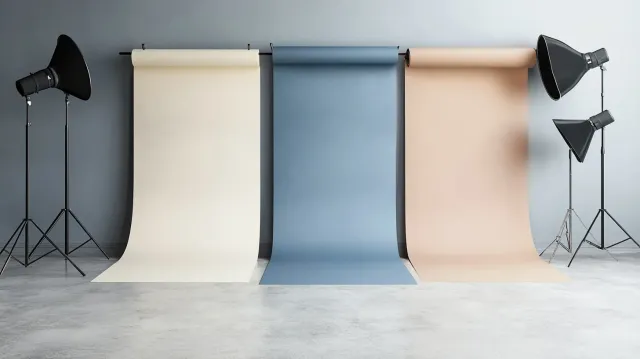
![What to Wear for a Professional Headshot: Complete Guide [2026]](/blog/what-to-wear-for-a-professional-headshot---boston--hero-w640.webp)
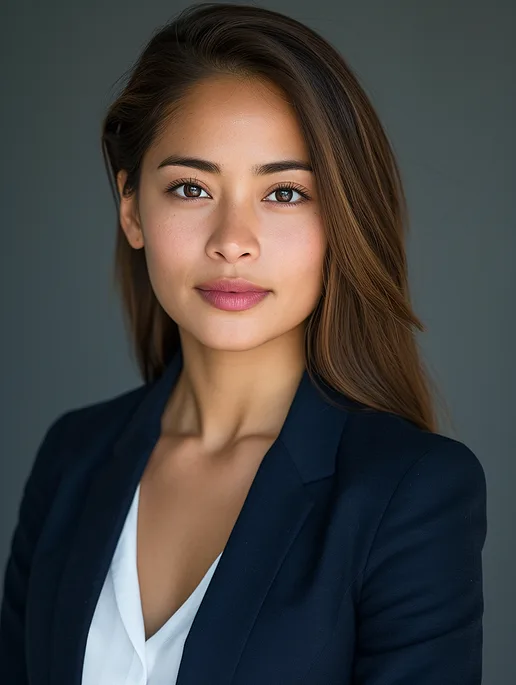
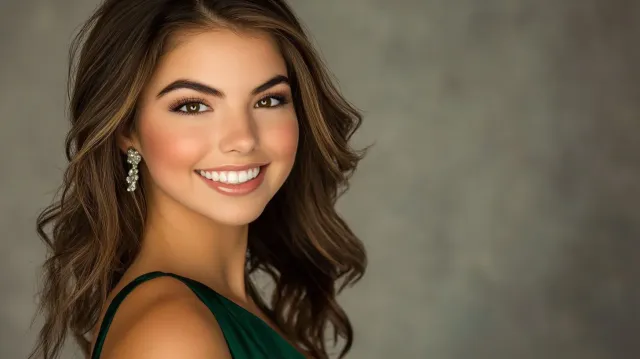
You Might Also Like
About the Author
Chris McCarthy
Chris McCarthy has run Photography Shark Studios in Rockland, MA for over 10 years and 500+ sessions, with executive headshot work for Rockland Trust, Clean Harbors, M&T Bank, and McCarthy Planning; founder portraits for AI startups including Lowtouch.ai; product photography for South Shore brands like Lauren's Swim; and headshots across South Shore legal, medical, financial, and academic practices. Every session is personally shot and edited by Chris on Sony mirrorless and Godox strobe systems — no assistants, no outsourcing, no batch retouching. Galleries deliver in 3–5 business days. More about the photographer →
Photography Shark · Boston & South Shore MA
Ready to Book a Session?
Professional headshots, senior portraits, boudoir, and model portfolios. Studio in Rockland, MA — 25 miles south of Boston. Sessions from $395.