South Shore, Massachusetts
Dating Profile Photographer — South Shore, MA
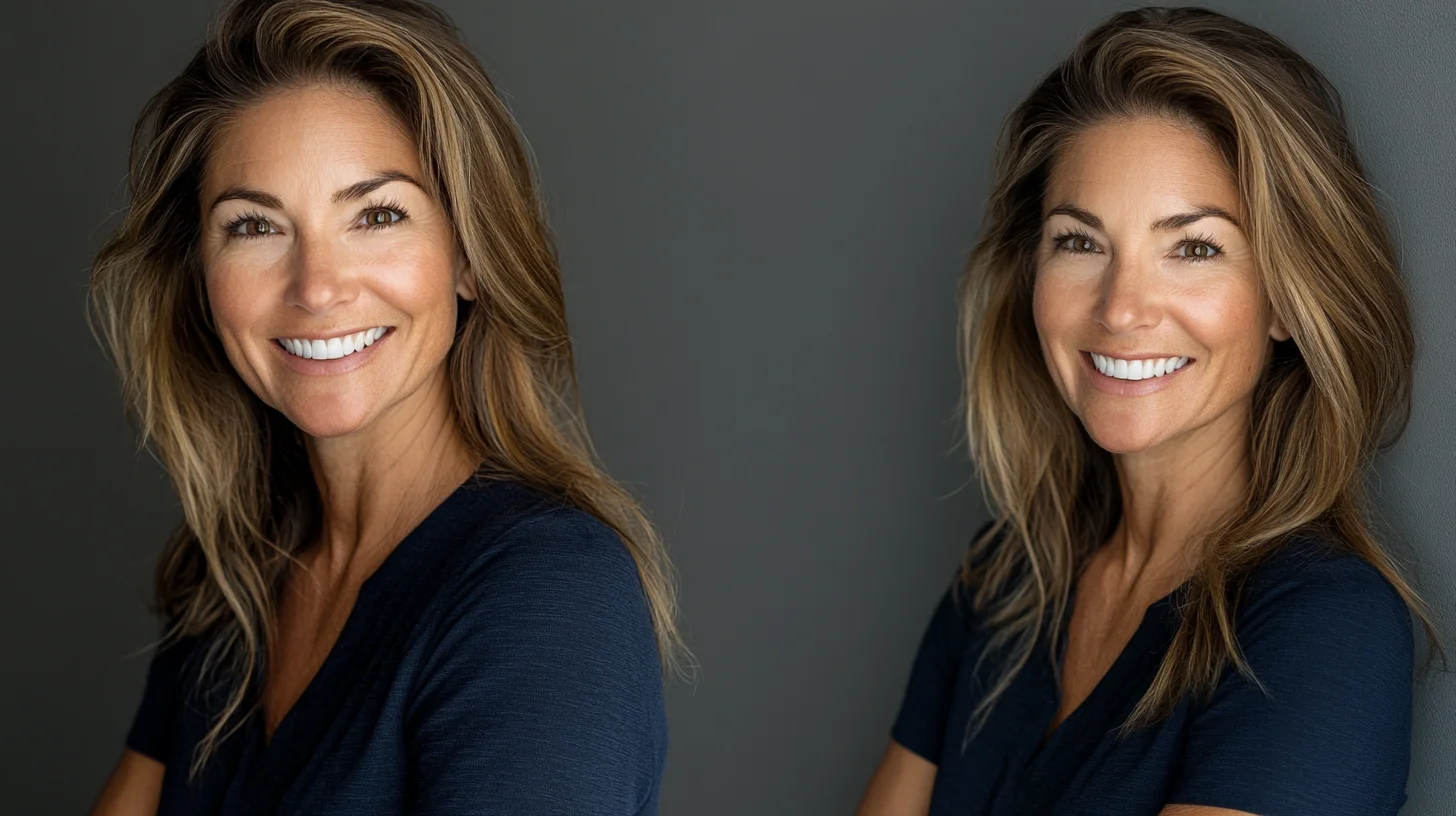
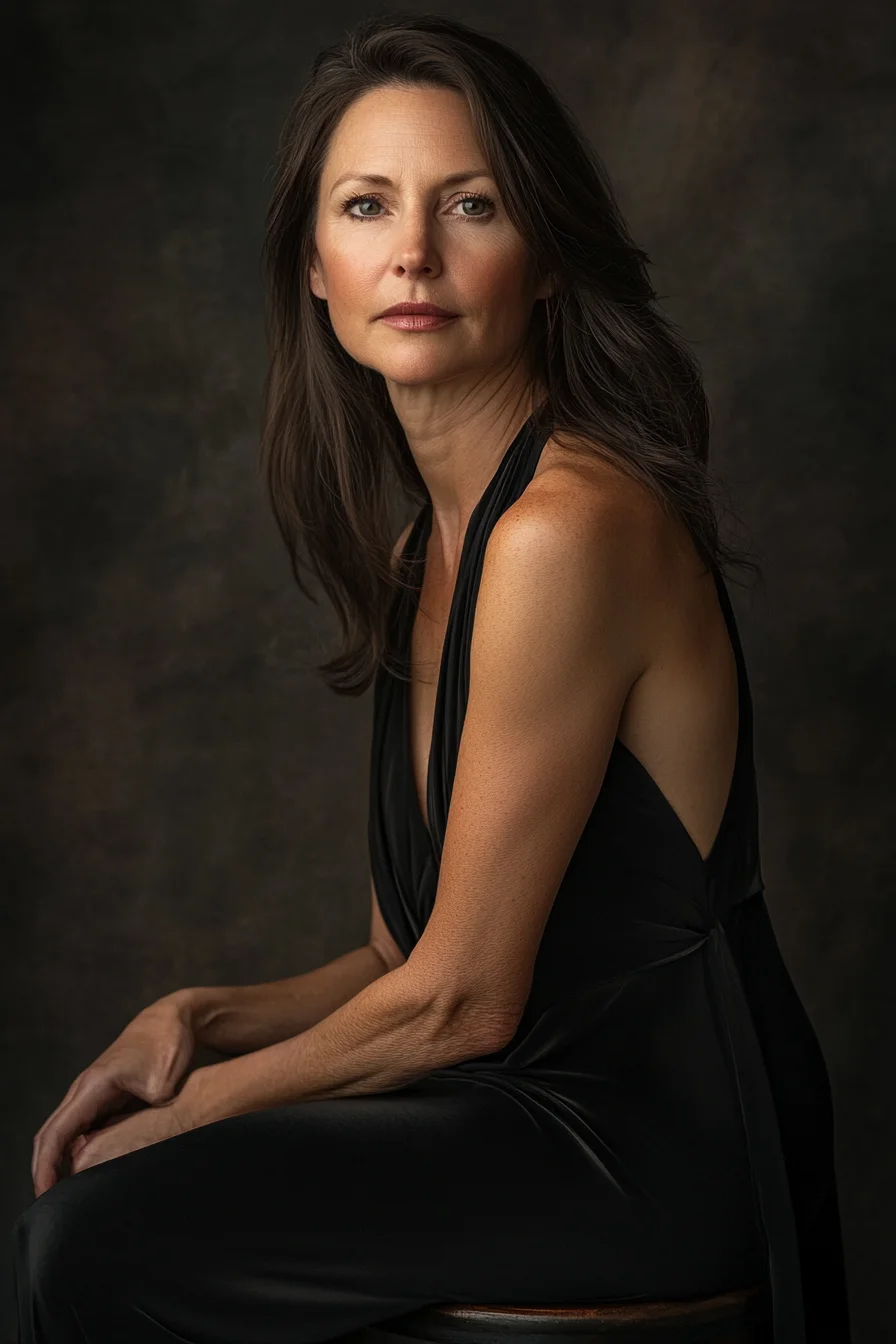
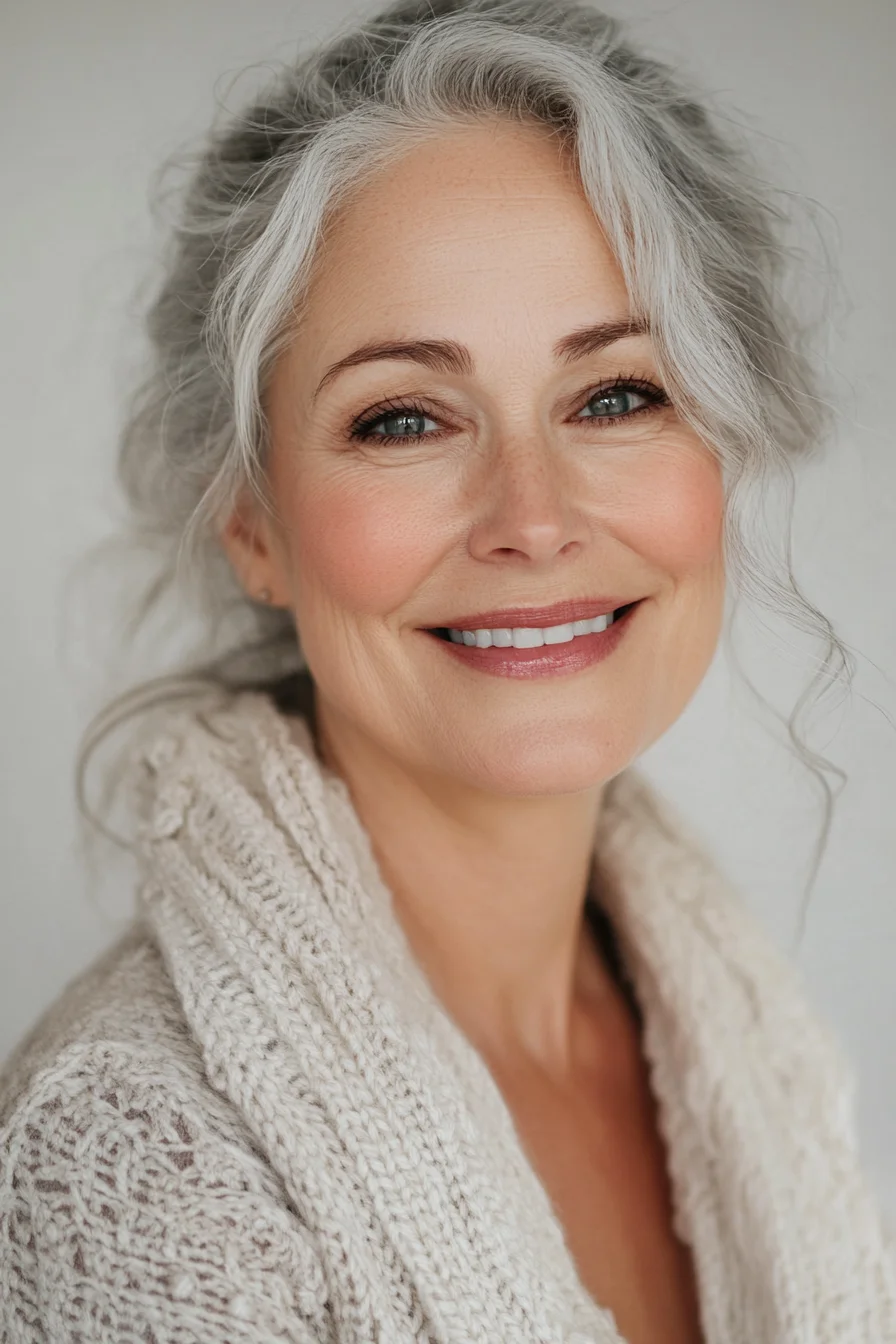
Studio and outdoor dating profile photography for South Shore singles. Professional lighting, real expression coaching, edited images delivered within 3–5 business days. From $395. Studio in Rockland — central to the whole South Shore.
The South Shore Dating Market
South Shore Singles Deserve Better Photos
Roughly 500,000 people live along the South Shore coastal communities from Quincy down through Duxbury, Plymouth, and beyond. A mix of young professionals who commute to Boston, established career people who have settled in the suburbs, and a significant 40-and-over population navigating dating seriously. These people are dating each other on the same apps — and the quality of your photos determines whether anyone stops scrolling.
I'm Chris McCarthy. My studio is at 83 E Water Street in Rockland — as close to the geographic center of the South Shore as you can get. I shoot portrait and headshot photography for executives, actors, and professionals, and dating profile work is a natural extension of exactly the same skill set: studio lighting, expression coaching, technically clean images that represent how you actually look on your best day.
Most clients are surprised by how relaxed the session is. The nervousness typically disappears within the first fifteen minutes. What you get on the other side is a set of images you actually want to use.
Session Options
How Sessions Are Structured
Studio Primary Session
The foundation of any strong dating profile. Controlled lighting, clean background, full expression coaching. Produces images that work at the small sizes dating apps actually display.
Studio + Outdoor Combo
Studio images for your primary photo, plus one or two South Shore outdoor locations for context and personality. Best of both approaches in one booking.
Combined Headshot + Dating
Covers both professional LinkedIn headshots and dating profile work in a single session. Efficient for South Shore professionals who need both.
Lifestyle South Shore Session
Outdoor-focused session at South Shore locations — Scituate Harbor, Hingham waterfront, Duxbury Beach, Norris Reservation. Best for secondary and contextual profile images.
Why It Matters
Your Primary Photo Does More Work Than Anything Else
Dating apps display your primary photo at roughly postage-stamp size before anyone decides whether to tap in. At that scale, your face needs to read clearly, your expression needs to communicate warmth and approachability, and the composition needs to be clean enough that you are unambiguously the subject.
Selfies routinely fail at this because the phone lens held at arm's length creates geometric distortion, and the lighting is flat and directionless. A full-frame camera at the right distance, with proper studio strobe lighting, produces images that look like you — the real you, in the best possible light.
The South Shore dating market is sophisticated enough to notice the difference. These are professionals who have lived here long enough to spot what genuine looks like versus what has been manufactured. The goal is not to look like a stock photo. The goal is to look like yourself on a very good day.
Outdoor Locations
South Shore Locations That Photograph Well
For clients who want outdoor images in addition to studio work, the locations I know best and use most:
- Scituate Harbor and Third Cliff — Old fishing village character, dramatic coastal scenery, exceptional afternoon light.
- Hingham Inner Harbor and Crow Point — Open water, marina activity, clean coastal backdrop. World's End for more dramatic natural scenery.
- Norris Reservation, Norwell — Tidal marsh, North River, tree-lined meadow paths. Distinctive and genuinely beautiful.
- Duxbury Beach and Powell Point — Clean open coastal look, long sightlines, water on both sides of the causeway.
- The Rockland Studio — Always the right call for your primary profile photo. Controlled, weather-independent, technically precise.
Also Near South Shore
- HinghamHingham — 15 minutes from studio
- QuincyQuincy — 20 minutes from Rockland
- WeymouthWeymouth dating profile location
- ScituateScituate Harbor session coverage
- NorwellNorwell — 10 minutes from studio
- PlymouthPlymouth Bay dating photographer
- BraintreeBraintree near Route 3 access
- CohassetCohasset coastal session coverage
- DuxburyDuxbury Beach dating profile photos
- HanoverHanover — 8 minutes from studio
- MarshfieldMarshfield beachfront dating sessions
- NorwoodNorwood Route 1 corridor sessions
Also serving Kingston, Abington, Pembroke, and all South Shore communities. No need to drive to Boston — the studio is 15–30 minutes from almost anywhere on the South Shore.
FAQ
Dating Profile Photography Questions
Which South Shore towns do you serve for dating profile photography?
The studio at 83 E Water Street in Rockland is centrally located on the South Shore — within 15–30 minutes of Hingham, Scituate, Norwell, Cohasset, Duxbury, Marshfield, Plymouth, Weymouth, Quincy, Braintree, and Hanover. Most South Shore clients find it an easier trip than driving into Boston.
How much do dating profile photo sessions cost on the South Shore?
Simple pricing. Studio session: $395, 30 minutes for one look (or 60 minutes for two looks, $495), 10 retouched high-resolution images, posing and expression direction included. Studio plus a South Shore outdoor location — Scituate Harbor, Hingham waterfront, Duxbury Beach, Norris Reservation in Norwell, Webb Memorial in Weymouth, or Plymouth waterfront — runs $595 in a single visit. Galleries deliver in 3–5 business days. The same prices apply whether you book from Quincy at the top of the region or Plymouth at the southern end.
Should dating profile photos be taken in a studio or outdoors on the South Shore?
Both serve different purposes. Studio images produce the best primary profile photo — controlled lighting, clean background, face reads clearly at the small sizes dating apps display. Outdoor images at South Shore locations like Scituate Harbor, Hingham waterfront, or Duxbury Beach add personality and lifestyle context for secondary photos. Most clients do a mix: studio first, then one or two outdoor locations.
Can dating profile photos and LinkedIn headshots be done in the same session?
Often yes. The wardrobe overlap between a strong LinkedIn headshot and a dating profile primary image is significant. If you need both, combining them is efficient and typically less expensive than two separate bookings. Many South Shore professionals do this.
What should I wear for a South Shore dating profile session?
Three outfits is the working number. One that reads as polished — what you would wear to a first date in Hingham Square, Scituate Harbor, or up in the Boston Seaport. One that reads more casual — what you would actually wear walking Duxbury Beach or grabbing coffee in your home town. One that shows personality, something you would never wear to work but would wear out. Solid colors photograph better than busy patterns at the postage-stamp size dating apps display. Skip bright whites and loud prints, which both clip on the cameras the apps optimize for. Wardrobe coaching happens live in the studio.
How long does a dating profile photo session take?
Studio sessions run 30 minutes for one look, or 60 minutes for two looks. Adding outdoor South Shore locations extends the session by 30–60 minutes depending on how many spots you want to visit. Edited images are delivered within 3–5 business days.
Pricing
What Sessions Cost
Further Reading
Dating Photography Guides
Studio Location
83 E Water Street, Rockland MA 02370 — free on-site parking, easy access from Route 3
Get Directions on Google MapsFurther Reading
Editorial: Regional Dating-Photo Reading
- Free Dating Profile Photo Guide (PDF) — Prep, wardrobe, posing and the six-photo lineup for every app.
- The South Shore radius and conversion math — Regional-distance frame for the distributed dating pool.
Book Your Session
Ready to Fix Your Dating Profile Photos?
Studio in Rockland MA — central to the South Shore. Sessions from $395. Most bookings happen within one to two weeks of inquiry.
Book a Dating Profile Session