Boston, Massachusetts
Online Dating Profile Photographer — Boston, MA
Professional dating profile and dating app photography for Boston singles — Hinge, Bumble, Match, Tinder, and The League. Studio 35 minutes south in Rockland, free parking, same quality as any in-city studio. Sessions from $395. On-location Boston sessions available.
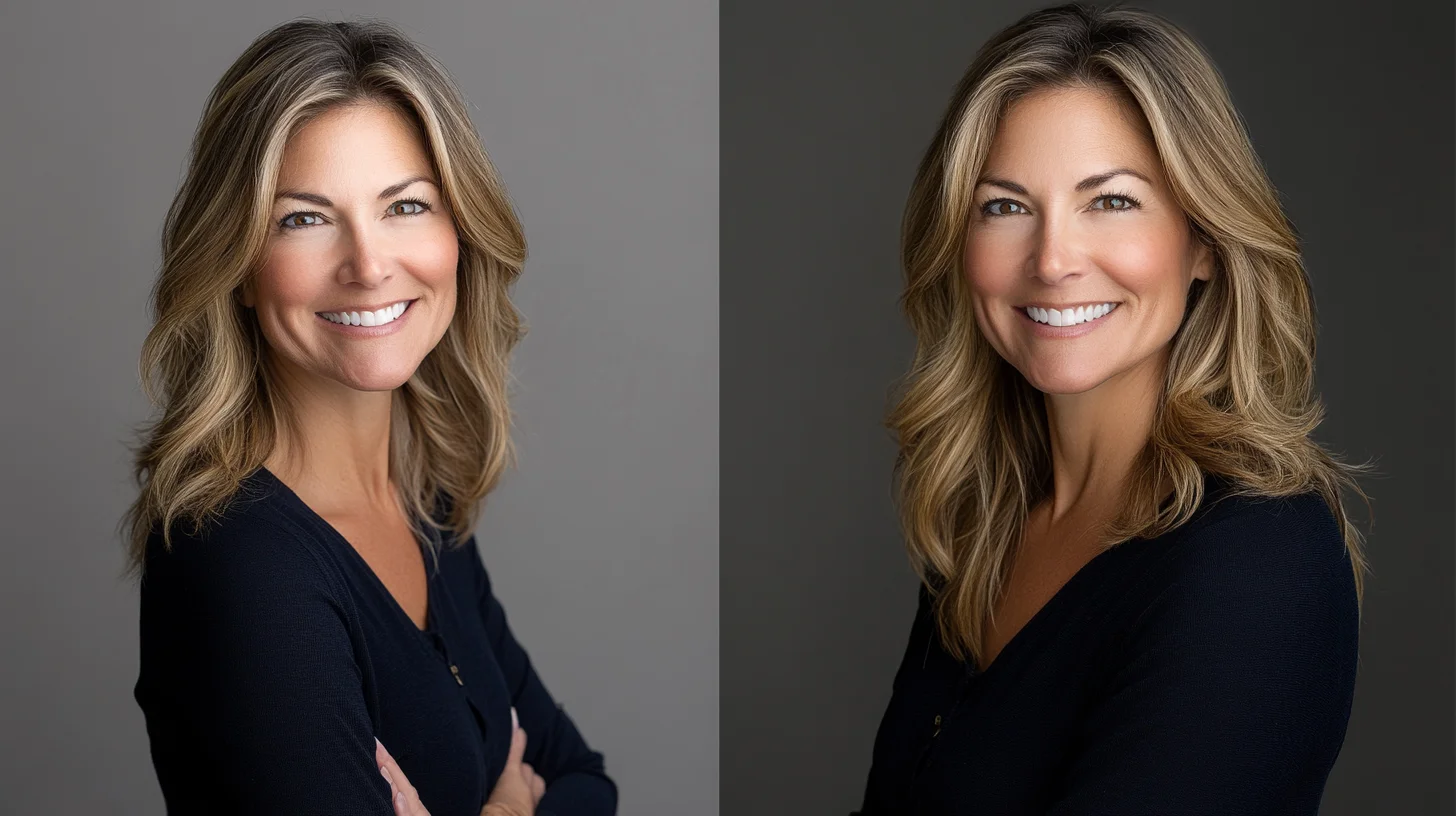
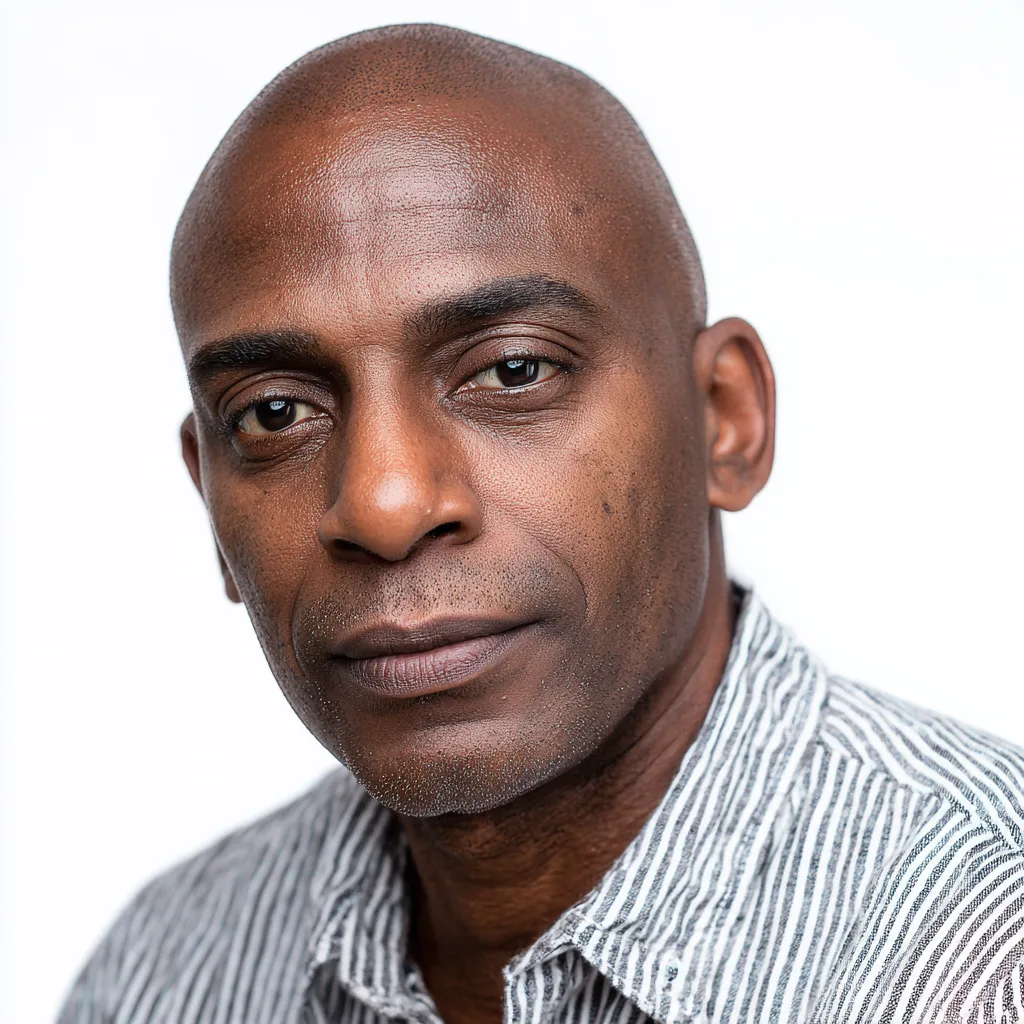
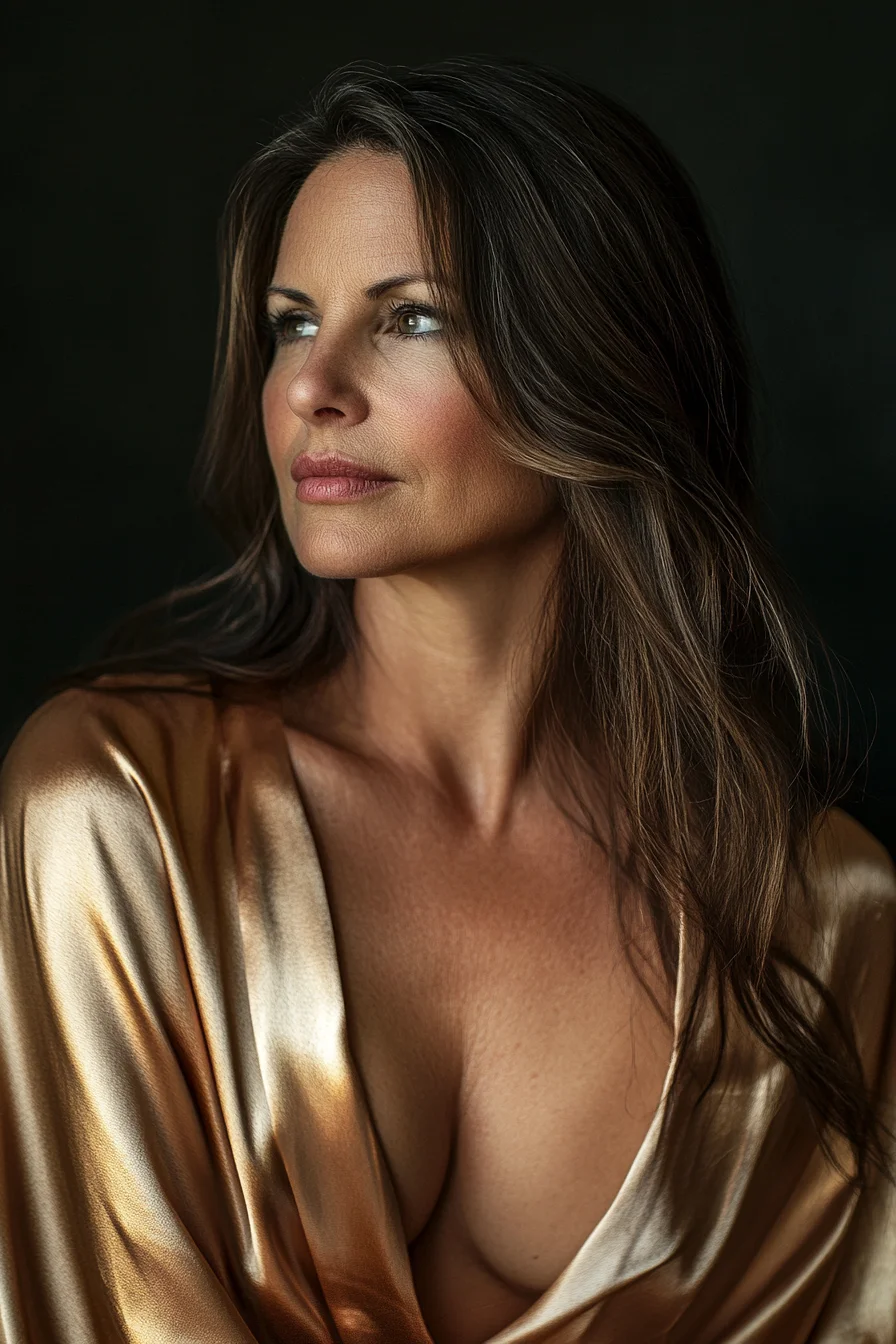
Boston Dating Market
Boston Professionals Need Photos That Match Their Ambition
Boston's dating pool is highly educated, professionally accomplished, and accustomed to evaluating people quickly. The biotech and tech corridors, the financial district, the law firms and research institutions — this is a market where your professional presentation carries over into your personal life, and where people have seen enough polished profiles to recognize when one is genuinely well-done versus when someone handed their phone to a friend.
I'm Chris McCarthy. My studio is in Rockland — 35 minutes south of Boston on Route 3. I shoot professional headshots for executives, actors, and LinkedIn profiles, and dating profile sessions are the same skill applied to different goals. The technical foundation is identical: studio strobe lighting, a full-frame camera at the right distance, expression coaching that gets past the "camera face" that most people default to.
The difference between a studio 25 minutes south with free parking and a Boston studio requiring a garage and city traffic is purely logistical. The quality is the same. Most clients from Boston, Cambridge, and the inner suburbs find the drive straightforward.
One Service, Many Names
Dating Photographer, Dating Photography, Dating Profile Photos — Same Boston Studio
People search for this in a dozen different ways — online dating photographer Boston, dating app photographer Boston, dating photographer Boston, dating photography Boston, online dating photography Boston, dating profile photography Boston, Boston dating profile photographer, dating site photographer, even “dating pics photographer near me.” They all point to the same thing: a studio that makes photos specifically for dating apps, not a wedding or family shooter taking dating photos on the side. If you found this page by searching any of those phrases, you're in the right place. Photography Shark is a Boston-area online dating photography specialist — studio sessions from $395, on-location Boston sessions from $595, tuned for Hinge, Bumble, Match, and Tinder.
Who We Photograph
Boston Professional Markets
Tech & Biotech
Kendall Square, Seaport, and the Route 128 corridor. The Boston tech scene runs on LinkedIn. Dating profiles get the same attention to detail.
Finance & Law
Financial District, Back Bay, and South End professionals. Polished and genuine — not overly corporate, not casual.
Healthcare & Research
Longwood Medical Area, Mass General, and Cambridge research institutions. Approachable authority is the tone that works.
South Shore Commuters
Boston-based in your career, South Shore-based in your life. The studio is 25 minutes from the city — easier than staying in Boston for photos.
Dating App Photos
Photos Built for Hinge, Bumble, Match, and Tinder
Boston singles use a mix of dating apps, and each one rewards slightly different photo conventions. Sessions are designed to deliver a curated set that works across all of them, with one strong studio primary photo as the foundation and supporting images that read well at thumbnail sizes.
- Hinge — Prompt-driven format. Primary image anchors first impressions, but Hinge profiles benefit from variety: a clean studio photo plus 2–3 lifestyle images that give your prompts visual context.
- Bumble — Women see the lead photo first and decide quickly. A studio primary with strong eye contact and a warm, confident expression performs best in this swipe-driven flow.
- Match & The League — Skew older and more serious. Polished studio images set the tone these audiences expect; lifestyle secondaries add depth without trying to look casual.
- Tinder & Coffee Meets Bagel — Fast-evaluation formats. The primary photo carries most of the weight, so a sharp studio image with confident expression is the highest-leverage investment.
Studio vs. On-Location
Which Approach Is Right for You
Rockland studio, 35 min from Boston. Controlled lighting, multiple backgrounds, precise expression coaching. Best for your primary dating profile image — the one that determines whether someone taps in. 10 fully retouched images.
Session in Boston at locations you choose — Boston Public Garden, Beacon Hill, Seaport, Back Bay. Adds environmental character and lifestyle context. Best for secondary profile images. 20 edited images.
What Works in the Boston Dating Market
What Makes a Great Dating Profile Photo
Photographing dating profiles for Boston professionals since 2019 surfaces a consistent set of factors that separate profiles that get matches from profiles that get scrolled past. Five rules that hold across every app:
The primary photo is the entire game
Hinge, Bumble, and Tinder are all swipe-evaluated based on the first photo. If the primary doesn't earn a tap, the rest of the profile is never seen. This is where the studio investment pays the highest return — a sharp, professionally lit primary photo against a clean backdrop converts dramatically better than a phone selfie or a cropped-out group photo. The single most common mistake on Boston men's profiles is using a wedding-guest photo as the primary; for women, it's a low-light bar selfie.
Eyes engaged, not staring
A real smile reaches the eyes; a posed smile doesn't. The studio session focuses heavily on getting an expression that reads as genuine rather than performed. Expression coaching is the difference between "professional-looking" and "actually working" — most dating-app primary photos with stiff, camera-aware faces underperform substantially.
Wardrobe that reads as "you, on a good day"
Not the most formal version of you (LinkedIn-style headshots used as dating primaries underperform), not the most casual (gym selfies, beach photos with sunglasses on, group photos from a wedding). The sweet spot: a solid color, well-fitting top in a wardrobe register that matches who you actually are. For Boston tech and biotech professionals, that's often a clean button-down or a polished knit. For finance and law, a notch more polished without going corporate. For healthcare and academic, an approachable smart-casual.
Variety across the full profile
Apps reward profiles with 4–6 photos that read as a coherent series. Studio primary + 2–3 lifestyle/environmental images + 1 activity or hobby photo is the standard high-performing structure. The studio session delivers the primary and 2–3 supporting studio shots; an optional on-location Boston add-on covers the lifestyle/environmental side at Boston Public Garden, Seaport, Beacon Hill, or Back Bay.
Recent photos only
Dating-app analytics consistently show profiles with photos older than 18 months underperform — partly because of subconscious bait-and-switch concerns, partly because aging is real and matches who meet in person notice the discrepancy. The cleanest signal of profile honesty is photos taken in the last 6–12 months. A studio session photographed yesterday performs measurably better than a beautiful photo from three years ago.
The Session
What to Expect in a Photography Shark Dating Profile Session
Sessions run 30 minutes for one look ($395) or 60 minutes for two looks ($495) for a studio-only booking, 90–120 minutes if you've added a Boston on-location segment. Every step below is built around a specific reason — none of it is filler.
Pre-session consultation (10 min, the week before).A quick phone or email exchange covering what apps you're on, what kind of person you're hoping to meet, what photos you currently have (if any) and what isn't working about them, your wardrobe options, and any logistical questions. This isn't a sales call — Chris uses it to scope the session around your actual goal.
Arrival + setup (10 min on the day).The Rockland studio is at 83 E Water Street with free on-site parking. On arrival, brief wardrobe review, choose the lead outfit for the primary photo, set up the lighting and backdrop for the first look. Coffee or water available — sessions go better when you're not running in from a stressful drive.
Primary photo capture (20 min).The most important block. We work the lighting and expression carefully — small adjustments to angle, eye direction, micro-expression coaching to find the version of your smile that reads as real. Most sessions produce 30–50 frames in this block, of which 5–10 are top-tier candidates for the primary. Expression coaching is where the session genuinely pays off; it's the part most photographers don't do well.
Secondary photos (15–20 min). Wardrobe change, different lighting setup, different backdrop. The goal here is variety — secondary profile photos that complement the primary without competing with it. Different jacket, different mood, slightly different energy. Often clients use one of these as a Hinge prompt photo rather than as the main image.
Optional on-location segment (30 min, Boston).If you've added the on-location add-on, we head into Boston for lifestyle/environmental images. Boston Public Garden in the spring/summer, Beacon Hill year-round, the Seaport for clean modern backgrounds, Back Bay for traditional architecture. The on-location frames are designed to read as "real you doing real things" — not staged, not posed-against-a-wall.
Delivery (3–5 business days).All frames culled to the strongest 30–40, then the chosen 10 are fully retouched — skin work to clean up blemishes and stray hairs while keeping you recognizable, light color grading, and platform-specific crops (1:1, 4:5, 9:16). Files arrive via a private online gallery with download links and a recommended primary pick based on what performed best technically and expression-wise.
Profile recommendations (included). Most clients get a short note with the gallery suggesting a primary photo and an ordering recommendation for the rest. This is informed by what Chris has seen work on Hinge, Bumble, and Match across hundreds of Boston dating sessions over the past 6+ years.
FAQ
Boston Dating Profile Photography Questions
Where is the studio relative to Boston?
Photography Shark is at 83 E Water Street in Rockland MA — about 35 minutes south of Boston via Route 3. Free on-site parking, no garage fees, no circling the block. For Boston professionals who commute south, the studio is easier to reach than many Boston-based studios.
Do you take photos for Hinge, Bumble, Match, and Tinder profiles?
Yes. Every session is built for the dating apps Boston singles actually use — Hinge, Bumble, Match, Tinder, The League, and Coffee Meets Bagel. Each app rewards slightly different photo conventions: Hinge profiles benefit from prompt-driven variety, Bumble swipes are decided on the lead photo, Match and The League skew polished and serious. The session delivers a curated set so you have a strong primary plus the right secondary images for each app.
Do you shoot dating profile photos on location in Boston?
Yes. On-location Boston sessions are available for $595. Boston Public Garden, Beacon Hill, the Seaport, and Back Bay are all accessible for outdoor lifestyle images. Most clients do a studio primary session first, then add on-location images for secondary profile photos.
How is a dating profile photo session different from a headshot session?
The technical foundation is the same: professional lighting, expression direction, edited high-resolution files. The difference is in tone. A headshot session optimizes for authority and professionalism. A dating profile session optimizes for warmth, approachability, and personality. Different wardrobe, different expression direction, usually some outdoor component for lifestyle context images.
How much do dating profile photo sessions cost near Boston?
Studio sessions start at $395. On-location Boston sessions start at $595. Combined dating profile plus LinkedIn headshot sessions are available from $495. Studio sessions include 10 retouched high-resolution images and on-location sessions include 20, all with posing direction and delivered within 3–5 business days.
Can I combine dating profile photos with LinkedIn headshots in one session?
Yes, and Boston professionals do this regularly. The wardrobe overlap is significant — what you would wear for a polished but approachable LinkedIn photo is often exactly right for a dating profile primary image. Combining both in one session is more efficient and typically less expensive than two separate bookings.
What makes a good dating profile photo for men over 40 in Boston?
For men over 40 on Hinge, Bumble, and Match, the strongest primary photo is a sharply focused studio image with a relaxed real smile, eyes engaged with the camera, and a wardrobe that reads age-appropriate but not corporate. Avoid the three most common mistakes: a stiff LinkedIn-style headshot used as a primary, a casual phone selfie that signals low effort, and group photos where strangers have to guess which person you are. The lead photo determines whether the rest of the profile gets read — invest the most in it.
Who is the best online dating photographer in Boston?
The right Boston online dating photographer is one who understands dating-app conventions specifically — not a wedding photographer doing dating photos as a sideline. Look for a portfolio with consistent expression coaching across many subjects, clear examples of primary photo vs. lifestyle photo strategy, transparent pricing, and recent Google reviews from dating-profile clients (not just wedding or family clients). Photography Shark is a studio specialist in Boston-area dating photography with documented Google review history and a fixed pricing model — $395 studio, $595 on-location.
Is a "dating photographer" the same as a "dating profile photographer"?
Yes — they describe the same service. Whether you search "dating photographer Boston," "dating photography Boston," "dating profile photography Boston," or "Boston dating profile photographer," you are looking for the same thing: professional photos made specifically for dating apps rather than a wedding, family, or general portrait photographer. The whole session is built around what performs on Hinge, Bumble, Match, and Tinder — primary photo, lifestyle frames, and expression coaching tuned for the apps, not for a mantel print.
Do you offer dating photography in Boston itself, or only at the Rockland studio?
Both. The studio is in Rockland, 35 minutes south of Boston, and most clients book the studio primary session there. For dating photography in Boston proper — Public Garden, Beacon Hill, the Seaport, Back Bay — the $595 on-location option covers it. Plenty of Boston daters do a studio primary first, then add on-location lifestyle frames in the city for their secondary profile photos.
Further Reading
Dating Photography Guides
Also Available in Boston
Professional Headshots
LinkedIn, executive, and corporate headshots for Boston professionals. Same studio, from $395.
Pricing & Packages
See Every Boston Headshot Package
Boston-specific headshot package details — studio, on-location, and combination sessions. Sessions from $395.
Also Near Boston
- QuincyQuincy commuter-friendly dating photos
- BraintreeBraintree dating profile sessions
- WeymouthWeymouth singles photo coverage
- HinghamHingham harborfront dating photos
- NorwellNorwell suburban session location
- ScituateScituate coastal village dating sessions
- CohassetCohasset oceanfront dating coverage
- PlymouthPlymouth harbor dating photography
- NorwoodNorwood Route 1 dating photos
- All South ShoreAll South Shore dating coverage
Studio Location
83 E Water Street, Rockland MA 02370 — 35 min south of Boston via Route 3. Free on-site parking.
Get Directions on Google MapsFurther Reading
Editorial: Dating Photography in Boston
- Free dating photo guide for every app — 18 pages on prep, posing and building your lineup.
- Dating photos for the Duxbury old-money register — An essay on quiet-confidence wealth signaling and what doesn't work on profiles read by Duxbury locals.
Book Your Session
Ready to Upgrade Your Dating Profile?
Studio 35 minutes south of Boston. Free parking. Sessions from $395. On-location Boston sessions available from $595.
Book a Session