Photography Tips
Color Theory in Photography: A Practical Guide
Color theory in South Shore portrait work — how warm and cool tones, complementary palettes, and wardrobe choices shape headshots and family sessions.

Chris McCarthy
Professional Photographer, Photography Shark · April 10, 2024 · Updated January 1, 2026
Color is the most emotionally direct element in a photograph. Before a viewer reads a face or registers a composition, they've already felt the warmth of an amber sunset, the cool distance of a blue-gray winter morning, or the energy of a saturated red against a neutral backdrop. Color communicates before language, faster than thought, and its effects on the viewer are both universal and deeply personal.
I have worked through this question with clients at my Rockland studio more times than I can count, and the answer is more straightforward than most people expect.
For photographers — whether you're shooting family portraits at Sandy Beach in Cohasset, executive headshots in a studio in Rockland, or senior pictures in the autumn foliage of Whitney and Thayer Woods — understanding color theory is one of the most practical skills you can develop. It shapes which locations you choose, what clothing you ask clients to wear, what time of day you schedule sessions, and how you approach editing in post-production.
This guide covers color theory as it actually applies to portrait and lifestyle photography, with concrete examples drawn from real South Shore environments and real photography situations.
The Emotional Language of Color
Color psychology has been studied extensively, and while individual responses vary and cultural context matters, there are reliable patterns in how colors are interpreted emotionally. Understanding these patterns allows you to make intentional choices — not just reactive ones.
Warm Colors: Red, Orange, Yellow
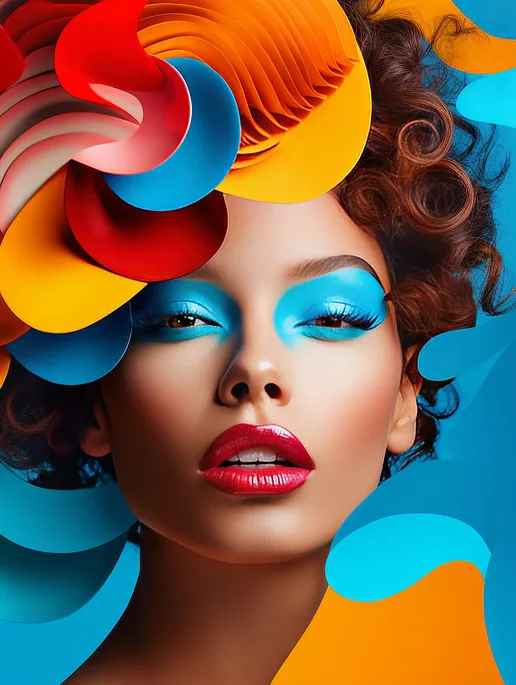
Warm colors advance visually. They feel closer, more energetic, more urgent. Red signals passion, intensity, and dominance — it demands attention and holds it. Orange is warmer and more approachable than red, conveying enthusiasm, creativity, and vitality without the intensity. Yellow, in natural light especially, communicates optimism, openness, and warmth.
In practical portrait photography, warm colors appear most powerfully at golden hour — the period roughly 45 to 90 minutes before sunset when the sun drops low and filters through the atmosphere at a shallow angle. The light turns amber and orange, casting warm tones across skin, sand, and foliage. This is why golden hour has become the most sought-after light in portrait photography: it wraps subjects in color that is universally flattering and emotionally warm.
If you're shooting a family portrait session on the South Shore, scheduling for golden hour isn't just aesthetic preference — it's a practical understanding that the light quality at that time will produce images with more emotional resonance and more flattering skin tones than midday shooting ever could.
Cool Colors: Blue, Green, Violet
Cool colors recede visually. They feel calmer, more spacious, more contemplative. Blue conveys trust, stability, and professionalism — which is why it dominates corporate branding and why navy and cool gray are reliable choices for headshot wardrobe. Green suggests growth, naturalness, and balance. Violet reads as creative, introspective, and slightly mysterious.
In South Shore portrait photography, cool colors appear most dramatically in the blue-hour light just after sunset, on overcast mornings when the sky diffuses light evenly without warm directional tones, and in winter when stripped foliage and ocean water both shift toward blue-gray.
For professional headshots, cool backgrounds and cool-toned wardrobe choices project competence and reliability. Many healthcare, financial, and legal professionals gravitate toward navy and gray precisely because these colors communicate the emotional qualities their profession requires.
Neutral Colors: White, Gray, Black, Cream, Brown
Neutrals don't communicate a primary emotion — instead, they provide a stage on which other colors can perform. A white background in a studio headshot removes all environmental distraction and centers the viewer completely on the subject's face and expression. A gray backdrop is professional and clean without the brightness of white. Black backgrounds create drama and formality.
In outdoor portrait work, neutral-toned environments — sandy beaches, rocky coastlines, bare winter trees — give photographers maximum flexibility because they don't compete with the subject's wardrobe or skin tone. Sandy Beach in Cohasset is a good example: the neutral beige of the sand and the muted blue-gray of the ocean create a backdrop that flatters almost any color palette chosen for clothing.
Color Relationships and How to Use Them
Beyond individual color psychology, the relationships between colors in a frame create their own effects. Color theory describes these relationships systematically.
Complementary Colors
Complementary colors sit directly opposite each other on the color wheel. The most familiar complementary pairs are red/green, blue/orange, and yellow/violet. When placed together, complementary colors create the strongest visual contrast — they make each other appear more vivid and draw the eye immediately.
In portrait photography, the most commonly exploited complementary relationship is blue and orange. Think of the visual punch in an image of someone in a navy sweater photographed against a warm sunset — the colors don't compete, they activate each other. This is the color logic behind why the golden hour at Sandy Beach looks so striking: the warm amber light against the deep blue sky and ocean creates a naturally complementary composition.
When planning family portrait sessions, suggesting a navy or denim outfit when you're shooting at golden hour on a beach is a color theory decision as much as a style one.
Analogous Colors
Analogous colors sit next to each other on the color wheel — blue, blue-green, and green, for example, or red, orange, and yellow. They create harmony rather than contrast. Analogous color schemes feel cohesive, relaxed, and organic.
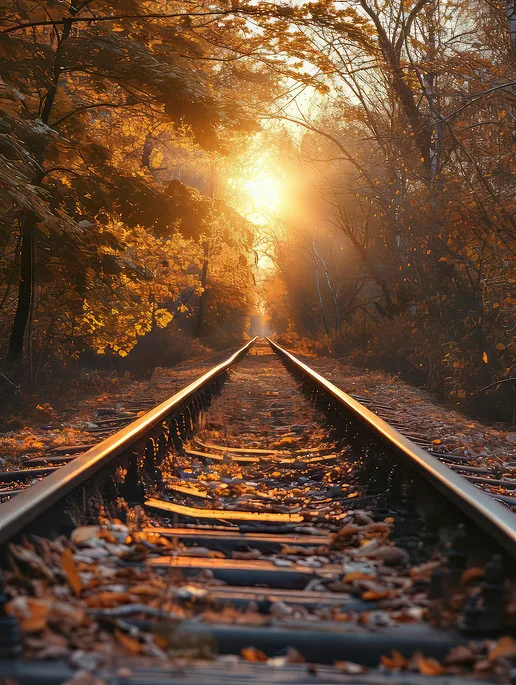
Autumn foliage is a stunning natural example of analogous color harmony: the reds, oranges, and yellows of October leaves all share the warm side of the color wheel and work together in extraordinary visual concert. Senior portrait sessions in the fall at Wompatuck State Park or along the trails at World's End benefit from this natural color harmony — the environmental colors set up a palette that simply needs a complementary wardrobe choice (deep burgundy, forest green, cream) to resolve into a visually stunning whole.
Monochromatic Color
A monochromatic color scheme uses different values and saturations of a single hue — light blue, medium blue, dark blue, for example. The result is sophisticated, simple, and elegantly unified. Monochromatic schemes rarely occur naturally outdoors, but they can be created intentionally through wardrobe selection, background choice, and post-processing.
In portrait photography, a subject wearing a gray sweater against a gray winter sky and bare silver-gray birch trees creates a monochromatic scheme that reads as contemporary and editorial. Winter sessions in New England coastal areas can produce naturally monochromatic frames that are striking in their simplicity.
Split-Complementary Colors
A split-complementary scheme uses a base color plus the two colors adjacent to its complement rather than the complement itself. The result is visual contrast with more nuance and less tension than a direct complementary pairing. An example: orange with blue-violet and blue-green. This creates a lively, balanced palette that feels dynamic without being jarring.
This level of color theory tends to apply more in post-production color grading than in on-location planning, but being aware of it helps you recognize what makes certain edited images feel satisfying at a gut level.
Practical Color Decisions in Portrait Photography
Wardrobe Guidance
The most direct application of color theory in portrait photography is wardrobe guidance. When clients ask what to wear for a portrait session, the answer isn't purely a style preference — it's a color decision.
For coastal sessions (Sandy Beach, Scituate, Duxbury Beach): Earth tones, navy, cream, and white all work well against sandy neutrals and blue-gray water. Avoid colors that clash with the palette of the environment — bright neon against a neutral coastal backdrop creates visual dissonance that photography cannot fix.
For woodland sessions (Whitney and Thayer Woods, Wompatuck, World's End): Deep greens, burgundy, cream, charcoal, and warm neutrals harmonize with the greens and browns of forest environments. Light pastels can also work well, creating a gentle contrast against the darker foliage.
For studio headshots: Solid colors perform far better than patterns or prints. Navy, gray, charcoal, and jewel tones photograph cleanly and professionally. White and cream require more careful exposure to avoid blowing out highlights.
The Color of Light Itself
Natural light changes color throughout the day, and this is one of the most important color considerations in photography. Midday light in summer is high and cool — it illuminates evenly but without warmth and creates harsh shadows. Late afternoon light shifts warm. Golden hour light is amber and directional. Blue-hour light, the 20 minutes immediately after sunset, is soft, cool, and diffuse.
Choosing when to schedule a session is a color decision. If you want warm, emotionally resonant portraits, schedule for golden hour. If you want clean, even light with a cooler quality, schedule for an overcast morning. If you want dramatic, cinematic light, schedule for late afternoon in fall when the sun is low and the shadows are long.
For senior photography for high school students — especially in the fall — the combination of golden hour light and autumn foliage creates two warm color systems working together. The result is images that look like they've been color-graded even before any editing has taken place.
Color in Post-Processing
Editing is where color theory meets technical execution. Color grading — adjusting the hue, saturation, and luminosity of different color channels independently — is how photographers make conscious decisions about the emotional temperature of their images.
Photography Shark's editing aesthetic leans warm, natural, and film-inspired. This means slight warm lift in the shadows, desaturation of overly vivid greens and cyans in natural environments (which digital cameras tend to oversaturate), and careful attention to skin tone accuracy. The goal is images that feel true to the light of the moment rather than artificially processed.
The specific approach varies by session type. Family portraits lean warmer and richer. Studio headshots lean cleaner and more neutral. Maternity sessions lean soft and gentle. Senior sessions in fall lean cinematic and saturated in the warm range. Each of these is a set of color decisions, not just technical adjustments.
Color Theory and Brand Consistency
For photographers who produce a consistent body of work — as Photography Shark does across all of its South Shore sessions — color is a significant component of visual identity. Consistent color treatment across a portfolio of work creates a recognizable aesthetic that clients can anticipate and that establishes the studio's visual brand.
This consistency also matters within a single client's images. When a family returns to Photography Shark for a second or third session, the editing approach is consistent enough that new images can hang alongside old ones without color mismatch. The portrait from Sandy Beach in 2022 and the one from Whitney and Thayer in 2024 belong to the same visual world.
Learning to See Color
The most practical thing a photographer can do to develop color awareness is to slow down and look at the light before raising the camera. Before you start a session, observe: What direction is the light coming from? What color is it? What is the dominant environmental color palette? What in the frame competes with the subject, and what supports them?
Then ask: does the client's wardrobe harmonize with this environment? Does the time of day serve the emotional quality you're trying to produce? What will the post-processing need to do to resolve what the camera captures?
These are questions that professionals ask as a matter of habit, and the answers are grounded in color theory even when the photographer can't articulate them in those terms. The language of color theory simply makes explicit what experienced photographers do instinctively.
Ready to Book Your Session?
Whether you're planning family portraits at Sandy Beach, senior pictures in the fall foliage, or professional headshots in the studio, Photography Shark applies careful color thinking to every session — from scheduling for the right light to guiding your wardrobe choices to delivering images with consistent, intentional editing.
Frequently Asked Questions
What colors should I wear for a Photography Shark headshot session?
Solid, mid-toned colors photograph best for headshots. Navy, forest green, burgundy, and warm gray work well. Avoid bright white or neon. Chris discusses wardrobe during the pre-session consultation to match your industry and intended use.
Does Photography Shark offer guidance on wardrobe colors before a session?
Yes. Every booking includes a pre-session consultation where Chris covers wardrobe, color choices, and how they interact with planned lighting and backgrounds — especially important for studio sessions at 83 E Water Street, Rockland MA.
What background colors are available at the Photography Shark studio?
The studio at 83 E Water Street, Rockland MA offers a range of backdrop options. Chris will recommend colors based on your wardrobe, skin tone, and the intended use of the images. Backdrop selection is discussed before the session.
Does color wardrobe coordination matter for family portrait sessions?
Yes. For family sessions starting at $395, wardrobe coordination is one of the biggest factors in how cohesive the final images look. Chris provides guidance before the session on palette choices that work well for the planned location and light.
How does the time of day affect color in outdoor portrait sessions?
Golden hour — roughly 45 to 90 minutes before sunset — produces warm amber light that is flattering for skin tones and adds emotional warmth to portraits. Chris times outdoor South Shore sessions to capture this light when possible.
Can I see examples of different color treatments in Photography Shark's portfolio?
Yes. Visit photographyshark.com to see portfolio work from headshot, senior portrait, and family sessions. You can also discuss specific color styles or editing preferences when contacting Chris to book.
Related Posts
You Might Also Like
About the Author
Chris McCarthy
Chris McCarthy has run Photography Shark Studios in Rockland, MA for over 10 years and 500+ sessions, with executive headshot work for Rockland Trust, Clean Harbors, M&T Bank, and McCarthy Planning; founder portraits for AI startups including Lowtouch.ai; product photography for South Shore brands like Lauren's Swim; and headshots across South Shore legal, medical, financial, and academic practices. Every session is personally shot and edited by Chris on Sony mirrorless and Godox strobe systems — no assistants, no outsourcing, no batch retouching. Galleries deliver in 3–5 business days. About photographer Chris McCarthy →
Photography Shark · Boston & South Shore MA
Ready to Book a Session?
Professional headshots, senior portraits, boudoir, and model portfolios. Studio in Rockland, MA — 25 miles south of Boston. Sessions from $395.