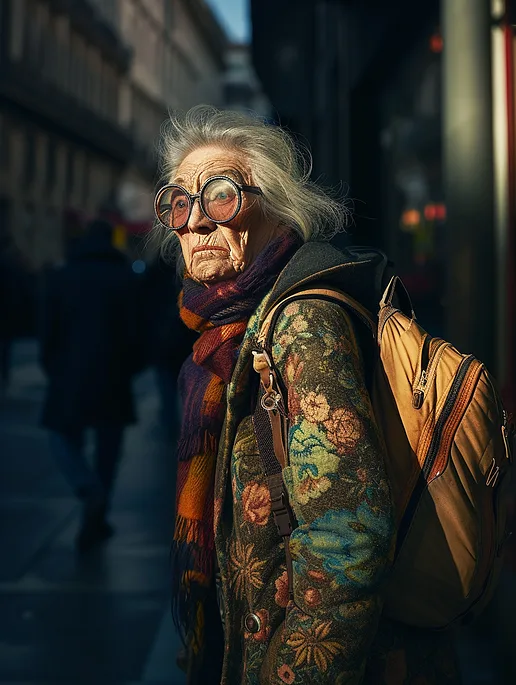
Photography Tips
Should You Ask Permission Before Photographing Someone?
Massachusetts photography consent law and ethics — when you need permission, when you don't, and how Chris McCarthy approaches portrait work.
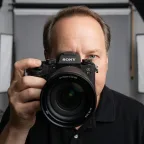
Chris McCarthy
Professional Photographer, Photography Shark · June 6, 2025 · Updated March 8, 2026
Photography raises questions that go beyond f-stops and shutter speeds. One of the most persistently debated questions in the craft is deceptively simple: should you ask before you shoot? Whether you're a street photographer documenting life in Quincy or a portrait photographer working with clients in Rockland, the answer shapes not just the ethics of your work but the quality of your images.
I have worked through this question with clients at my Rockland studio more times than I can count, and the answer is more straightforward than most people expect.
At Photography Shark, we work almost exclusively in the portrait and event space — sessions where consent is always established upfront. But understanding the broader ethics of photography makes you a better, more thoughtful image-maker regardless of your genre. Here's a deep look at the permission question from legal, ethical, and practical angles.
The Ethical Core: Autonomy and Dignity
Every person carries a reasonable expectation that their likeness is their own. When a photographer captures someone's image — especially in a vulnerable or unflattering moment — they are, in some sense, taking something. The question is whether that "taking" is justified by the context.
The Case for Always Asking
Consent-first photography respects the fundamental dignity of the subject. When you ask permission, you acknowledge that the person in front of your lens is a full human being with preferences, not just visual material. This approach builds trust, particularly in tight-knit communities like Hingham or Scituate, where a photographer's reputation matters enormously.
There are also practical benefits. A subject who has consented to being photographed is often more relaxed. The resulting images can have a warmth and openness that candid shots — however technically brilliant — sometimes lack. In portrait work specifically, that connection between photographer and subject is the whole ballgame. It's why a professional headshot session produces images that a candid snapshot simply cannot replicate.
The Case for Candid Photography
Documentary and street photographers argue that asking permission fundamentally changes what you're photographing. The moment someone knows a camera is pointed at them, their behavior shifts — often in ways that are small but unmistakable. A genuine laugh becomes a posed smile. A moment of quiet reflection becomes self-consciousness.
Photojournalists operating in public spaces have long defended the right to capture public life unposed. There is real artistic and social value in images that show the world as it actually is, not as people wish to be seen.
The tension here is genuine, not rhetorical. Both positions have merit. The resolution lies in context.
The Legal Landscape in Massachusetts
Before the ethics, there's the law — and in Massachusetts, the rules are relatively clear.
Public Spaces and the Expectation of Privacy
In Massachusetts, as in most of the United States, photographing people in public spaces is generally legal. When someone is in a publicly accessible area — a beach in Hull, the waterfront in Plymouth, a farmers' market in Hingham — they have a reduced expectation of privacy. A photographer can legally capture them without consent.
However, "legal" and "ethical" are not synonyms. Just because you can doesn't mean you should.
Privacy and Intrusion Torts
Massachusetts law recognizes intrusion upon seclusion as a form of invasion of privacy. If a photographer captures someone in a situation where a reasonable person would expect privacy — even in a nominally public setting — there can be legal exposure. A person sitting alone on a secluded stretch of Duxbury Beach, clearly not expecting an audience, occupies a different ethical and potentially legal space than someone walking through a crowded plaza.
Commercial Use and Model Releases
This is where the permission question becomes legally mandatory rather than merely ethical. If you intend to use an image commercially — in advertising, on a website, to promote a business — you need a signed model release from every recognizable person in the photograph. This applies even if the shot was taken in a public space.
At Photography Shark, every client session involves a clear understanding of how images will be used. When we use portrait images in our own marketing, we obtain explicit written permission. It's not just legally prudent — it's the right way to operate.
Street Photography: Navigating the Gray Zone
Street photography occupies the most contested ethical territory. The genre's entire premise depends on capturing life as it unfolds, unposed and unfiltered. Some of the most important photographs in history — images that changed public opinion, documented injustice, or simply celebrated the beauty of everyday life — were taken without consent.
Approaching Street Photography Ethically
Even committed street photographers have developed personal codes for navigating consent. Here are frameworks that many working photographers use:
The "would they object?" test. Before firing the shutter, consider: if this person saw the resulting image, would they feel violated, exploited, or harmed? If the honest answer is yes, that's a strong signal to either ask permission or move on.
Context and vulnerability. Photographing someone in a moment of public joy — celebrating at a Rockland street fair, watching their kid play soccer in Norwell — is fundamentally different from photographing someone in distress, embarrassment, or physical vulnerability. The latter demands far more caution.
The power dynamic. Who has power in this interaction? Photographing wealthy people in public spaces is categorically different from photographing people experiencing poverty or crisis. The photographer's relative power matters.
Post-capture responsibility. Even if an image is legally taken, the photographer retains responsibility for how it's used. Uploading a candid shot to social media with a mocking caption transforms a morally neutral act into exploitation.
When to Ask on the Street
Some photographers make a practice of approaching subjects after a candid shot and asking if they'd like to see the image, or if they have any objections to its use. This hybrid approach — candid capture followed by ethical disclosure — is a reasonable middle ground for documentary work.
Others make eye contact first. A slight nod or smile from the subject before raising the camera is an informal form of consent, sufficient for most documentary contexts.
Portrait Photography: Consent is Non-Negotiable
In portrait photography — which is the core of what we do at Photography Shark — the question of permission essentially doesn't exist as a gray area. Every session begins with mutual understanding and genuine choice.
Why Formal Consent Elevates Portrait Work
When a client books a family photo session or sits for a headshot session, they are actively choosing to be photographed. That choice creates a collaborative relationship rather than a subject-photographer power dynamic. The result is almost always better photography.
Consider what happens during a portrait session when the subject fully trusts the photographer: their shoulders drop, their eyes soften, they stop performing for the camera and simply exist in front of it. Those are the moments that produce genuinely memorable images — not technical virtuosity, not expensive gear, not dramatic lighting. Trust.
Building that trust starts with how the session is structured: clear communication about what to expect, what happens with the images, what the client's options are. At Photography Shark, we walk through all of this before a single frame is captured.
Event Photography and Implicit Consent
Event photography operates in a middle space. When an organization hires a photographer to document a corporate event, trade show, or celebration, attendees generally have constructive knowledge that photography will occur. Distributing a notification — through event signage, an invitation note, or an announcement from the host — converts implicit consent into something more explicit.
Even in event contexts, sensitivity matters. Not every guest at a corporate party wants their image published in a company newsletter. Reading the room and giving people the opportunity to opt out is both respectful and professionally smart.
Practical Guidelines for Photographers
Whether you're shooting documentary, portraits, or events, here's a working framework:
Always Required
- Model release for commercial use: No exceptions. If the image promotes a product, service, or brand, get a signed release from every recognizable person.
- Clear communication with portrait clients: Discuss image rights, usage, and delivery before the session begins.
Strongly Recommended
- Ask in vulnerable contexts: If someone is in a situation they might find embarrassing or private, ask before photographing regardless of legal permissions.
- Notify event attendees: When photographing gatherings, ensure attendees know photography is occurring.
Use Good Judgment
- Public spaces, non-vulnerable subjects: Legal to photograph without consent, but still consider the ethical dimensions.
- Children: Apply a higher standard of caution regardless of context. When photographing minors in any setting, parental consent is both ethically required and often legally mandated for commercial use.
The Photography Shark Approach
At Photography Shark, our work is built entirely on invited photography. Every senior portrait session, every boudoir shoot, every family session begins with a client who chose to be there. That foundation of consent isn't just a legal formality — it's the source of the trust that makes the resulting images worth looking at.
We believe the best photographs capture something real about a person. You can't get that realness by surprise. You get it by creating conditions where a person can genuinely relax, show up as themselves, and be seen. That requires permission — not just the legal kind, but the deeper kind that comes from a relationship of mutual respect.
The ethics of photography ultimately come down to treating the people in your frame the way you'd want to be treated in theirs. That's not a complicated principle. It just requires paying attention.
Ready to Book Your Session?
At Photography Shark, every session begins with a real conversation about your vision, your comfort level, and how we'll work together. We shoot from a foundation of trust — and the images reflect it.
Frequently Asked Questions
Is it legal to photograph people in public in Massachusetts?
Generally yes. In Massachusetts, photographing people in publicly accessible spaces — beaches in Hull, Plymouth Harbor, a farmers' market in Hingham — is legal without consent. However, commercial use of someone's likeness for advertising requires a signed release.
Do Photography Shark clients sign a model release?
Yes. All portrait sessions at Photography Shark include a standard model release. Chris McCarthy at 83 E Water Street, Rockland, MA walks every client through the release before the session begins so there are no surprises.
What's the difference between legal and ethical when photographing strangers?
Legal means you won't face a lawsuit. Ethical means you've respected the person's dignity and right to privacy. Photography Shark operates exclusively in the portrait and event space where consent is always established upfront — the ethical and legal questions are settled before the camera comes out.
Can a photographer use my headshot for their portfolio without asking?
Not without a signed release authorizing that use. Your release agreement with Photography Shark specifies exactly how your images may be used — including whether they appear in portfolio samples, social media, or advertising.
Do I need a permit to photograph at South Shore beaches or parks?
Most South Shore public beaches and parks don't require permits for personal portrait sessions. Commercial shoots at some locations — such as World's End in Hingham — may require Trustees of Reservations permission. Chris McCarthy handles location logistics for all booked sessions.
Related Posts
You Might Also Like
About the Author
Chris McCarthy
Chris McCarthy has run Photography Shark Studios in Rockland, MA for over 10 years and 500+ sessions, with executive headshot work for Rockland Trust, Clean Harbors, M&T Bank, and McCarthy Planning; founder portraits for AI startups including Lowtouch.ai; product photography for South Shore brands like Lauren's Swim; and headshots across South Shore legal, medical, financial, and academic practices. Every session is personally shot and edited by Chris on Sony mirrorless and Godox strobe systems — no assistants, no outsourcing, no batch retouching. Galleries deliver in 3–5 business days. About Chris McCarthy →
Photography Shark · Boston & South Shore MA
Ready to Book a Session?
Professional headshots, senior portraits, boudoir, and model portfolios. Studio in Rockland, MA — 25 miles south of Boston. Sessions from $395.