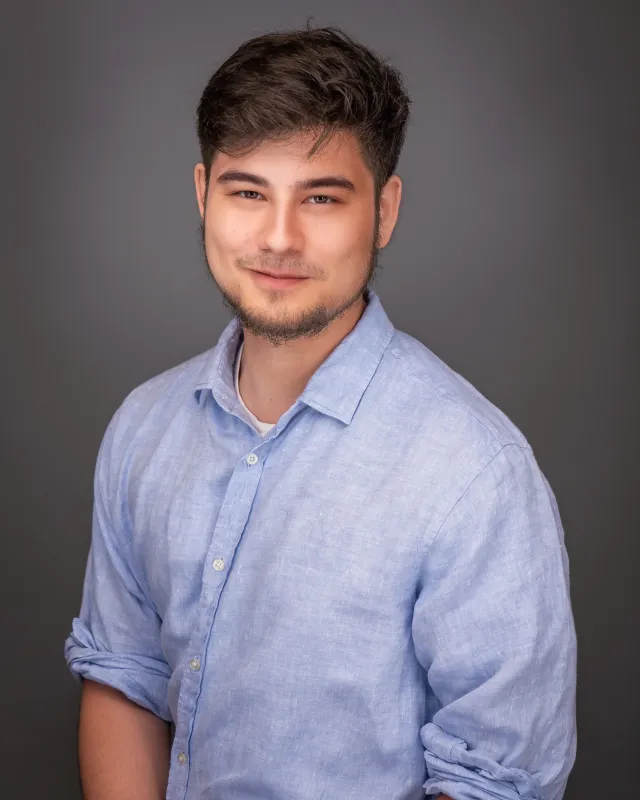
Actor Headshots
Why Old Headshots Are Hurting Your Acting Career
How outdated photos mismatch audition-room expectations, why casting directors notice immediately, and when it's time for a new actor headshot.
Chris McCarthy
Professional Photographer, Photography Shark · April 10, 2026 · Updated April 27, 2026
In the Boston acting market, headshots are the most persistent piece of your marketing. Your resume will be updated frequently. Your reel changes as you accumulate footage. Your social media presence evolves constantly. But your headshots — submitted to every audition, sitting in every casting director's file, used for every agency inquiry — have a fixed shelf life. Getting the timing wrong on headshot updates costs actors more opportunity than almost any other career management mistake.
Here's an honest breakdown of how to think about headshot currency in the Boston market, and when the update is genuinely necessary versus when it's an anxiety response.
Why Headshot Currency Matters in Boston Specifically
Boston's acting scene has a character of its own. The regional theater ecosystem — Huntington Theatre, SpeakEasy Stage, ArtsEmerson, Actors' Shakespeare Project, and the many smaller companies that make up the city's robust off-Broadway landscape — operates with casting professionals who see large submission volumes for every production. The commercial market, which is active and lucrative and often overlooked by stage-focused actors, adds another layer.
In both markets, the headshot functions as a credibility document. It establishes that you're a professional who takes the work seriously. And critically, it needs to look like you — not a version of you from several years ago, not an aspirational version of you with heavy retouching, but you as you actually appear when you walk into a room.
When a casting director pulls your headshot while reviewing submissions and then sees you in person, the match between image and person matters. A significant mismatch — even a favorable one, where you look "better" in the photo — creates a small friction that can work against you. You want the person reviewing submissions to be encountering exactly who walks through the door.
The Signs That It's Time
There's no single universal trigger for headshot updates, but there are reliable indicators that the current images are past their useful life:
Your physical appearance has changed meaningfully. This is the most obvious trigger. Hair that's significantly longer or shorter, a different color, or a different style. Weight change that affects how you read in a frame. The natural changes that come with aging that shift which type you represent. If someone who knows you looks at your headshots and says "those don't look like you anymore," that's a direct data point.
The images are more than two to three years old. This is a rough guideline, not a rule — some actors' looks are stable over five or six years and their headshots remain current throughout. But two to three years is approximately when the subtle age-related changes that photographers can see but subjects may not notice have accumulated enough to create visible mismatch.
Your primary casting type has shifted. This is a subtler trigger that doesn't always involve physical change. An actor who aged out of "young lead" into "established professional" may look essentially the same but carry themselves differently, dress differently, and communicate a different energy. The headshot that was right for the younger type is wrong for the current one.
Agents or casting directors have commented on the mismatch. If you've received direct feedback that your headshots don't match your current look or type, that's the clearest signal possible. Act on it promptly.
The current images are producing poor response. If you're submitting regularly and getting minimal audition calls relative to the volume of your submissions, the headshot is one of the first things to evaluate. This isn't always the cause — the work in your submission areas, the roles you're targeting, and the overall market can all be factors — but outdated or misrepresentative headshots are a common culprit.
You're expanding into a new market. Moving from primarily stage work into commercials, or from SAG work into the student film and independent market, often warrants different imagery that serves the new context. The aesthetic that reads well for dramatic stage casting is often wrong for commercial work, and vice versa.
The Right Update Frequency as a General Guideline
Every one to two years is the standard recommendation from agents across the industry, and it holds up. At that cadence, you're updating often enough to stay current without updating so frequently that you're spending significant money and time on something that isn't necessary.
The specific cadence depends on your situation. An actor in their early twenties, when physical appearance typically changes more quickly, should probably lean toward the shorter end of that range. An actor in their forties or fifties, with a stable appearance and an established type, can often extend to three years between updates if the images remain current.
The one exception to any time-based rule: if something significant changes, update. Don't wait for the two-year mark if you've cut and colored your hair dramatically or made a significant physical change. The old images are immediately outdated and every week you submit them costs you.
What Good Boston Actor Headshots Actually Look Like
The Boston market has its own aesthetic sensibility, and understanding it helps you get the right images rather than defaulting to what works in other markets.
Boston responds well to images that feel grounded and authentic rather than overly produced. The high-gloss, high-contrast commercial aesthetic that dominates Los Angeles submissions often reads as slightly foreign in Boston casting contexts — it can seem like the actor is trying to look like a different market's product. Boston agents and casting directors have told me they appreciate images that show the person clearly and honestly, with good technical execution, without excessive stylization.
This doesn't mean low effort. It means the effort is invisible — the image looks like a person who naturally looks good, not like a person who was extensively manipulated to look a certain way.
For technical quality: clean, sharp focus on the eyes. Lighting that flatters the specific subject rather than demonstrating the photographer's equipment. A background that recedes without drawing attention. Expression that reads with warmth and specificity — something in the eyes that suggests there's a real person there with a point of view.
Studio vs. Outdoor: The Practical Answer
This debate comes up in almost every consultation with Boston actors, and the honest answer is that both can produce excellent images — the choice should be driven by your brand and your type, not by a philosophical preference for either.
Studio headshots provide total control over light and background. For actors targeting commercial work — particularly the middle-of-the-road commercial market where the type is "attractive, approachable professional" — studio images with a clean, uncluttered look often perform well. For dramatic actors building a stage submission portfolio, studio images with more directional, character-defining light can communicate range effectively.
Outdoor headshots in natural light produce a different texture — looser, more environmental, with the particular warmth of well-timed natural light. The South Shore has excellent outdoor environments for headshot sessions: Fort Point Channel in Boston, the waterfront areas in Quincy's Marina Bay, the tree-lined streets near Rockland's town center. When the light conditions are right, outdoor images have a quality that studio lighting approximates but doesn't fully replicate.
The practical consideration: with studio images, you're not weather-dependent and you have consistent control. With outdoor images, you're dependent on light conditions that change rapidly and can't be fully predicted. I recommend scheduling outdoor sessions during the golden hour window specifically to maximize the probability of excellent natural light.
How to Prepare for Your Update Session
The preparation that matters:
Clear communication about your casting goals. Tell your photographer which types you're actively targeting, which roles you've been called in for recently, and whether your submission focus is shifting. The images should serve those specific goals rather than generic "good headshot" objectives.
Wardrobe selection that tells the right story. Bring more options than you think you need — at least three to four looks — and discuss each one during the session. Clothing that looks exactly right in a mirror sometimes reads differently on camera, and having backups gives you flexibility.
Physical preparation. Rest and hydration in the days before. Hair and skin care that represents your natural maintenance level rather than a significantly elevated effort. The goal is to look like you at your best on a normal day, not a version of you that requires extraordinary effort to produce.
Mental preparation. Think about the specific roles you want to land, the characters who look something like you at your best, the quality you want to communicate in each look. Actors who come to sessions with specific intention in their heads produce better images than those who are just hoping to look good in front of a camera.
Choosing the Right Photographer for Boston Actor Headshots
The most important criterion is familiarity with the Boston market specifically. A photographer who primarily shoots commercial work in New York or LA may produce technically excellent images that don't serve you in Boston submissions. A photographer who has shot Boston actors, worked with Boston agents, and understands what local casting directors are actually looking for is bringing a different kind of value.
Ask to see specifically actor headshots in a photographer's portfolio, not just portrait work generally. The two are related but distinct, and success in one doesn't guarantee competence in the other. Actor headshots require specific understanding of how images will be used — at small thumbnail resolution in casting software, at full resolution in physical submissions, and in the general context of how casting decisions get made.
Our Boston headshots packages start at $395 and are specifically structured for actors and other performers. I've photographed actors who work across the Boston market's full range — regional theater, commercials, film and television, and everything in between — and I can give you specific guidance on what the current market responds to.
Staying Current Without Constant Updating
One approach that serves actors well: maintain a small, high-quality set of primary headshots (two to four looks) and update the full set every one to two years. Within that cycle, if a significant physical change happens, update the specific look that no longer matches — you don't need to reshoot everything, just the images that are no longer current.
Keep your headshots organized with dates and notes about which versions are in active use at which agencies. This makes the management of your submission portfolio more straightforward and helps you notice when things are aging out.
Ready to Book Your Session?
If your current headshots aren't reflecting who you are today — or if it's been more than a year or two and you haven't thought about whether they still do — get in touch through the contact page and let's put together a session that serves where your career is now.
Actor headshots in Boston · Actor headshots pricing
What headshots cost in Boston See also: new-role announcement headshot session.
Frequently Asked Questions
How often should Boston actors update their headshots?
Every one to two years is the industry standard. Actors in their early twenties — when appearance changes faster — should lean toward the shorter end. If something significant changes (hair, weight, aging), update immediately regardless of the schedule.
What are the clearest signs my actor headshots are outdated?
If someone who knows you says 'those don't look like you anymore,' that's a direct signal. Other triggers include headshots over two to three years old, a shifted casting type, agent or casting director feedback about mismatch, or low audition response rates.
What does the Boston acting market look for in headshots?
Boston responds to grounded, authentic images that feel real rather than overly produced. The high-gloss LA aesthetic often reads as foreign here. Clean technical quality — sharp eyes, accurate skin tones, receding background — with honest expression is the mark.
Does Photography Shark understand the Boston casting market specifically?
Yes. Chris McCarthy photographs Boston-area actors regularly and has developed specific familiarity with what agents and casting directors at the Huntington, SpeakEasy, ArtsEmerson, and commercial casting offices respond to.
How much does a headshot update session cost at Photography Shark?
Update Actor headshot studio sessions are $395 for 30 minutes with 10 fully retouched images. On-location sessions are $495. For actors needing multiple looks, stack add-ons (additional session time $100, outfit change $150) to cover theatrical + commercial in one booking. The studio is in Rockland, MA — convenient from anywhere on the South Shore.
Should I update headshots when moving from stage into commercial work?
Yes — expanding into a new market usually warrants different imagery. The dramatic aesthetic that works for stage submissions is often wrong for commercial work. Photography Shark sessions can be structured to address both in a single booking.
Related Posts
You Might Also Like
About the Author
Chris McCarthy
Chris McCarthy has run Photography Shark Studios in Rockland, MA for over 10 years and 500+ sessions, with executive headshot work for Rockland Trust, Clean Harbors, M&T Bank, and McCarthy Planning; founder portraits for AI startups including Lowtouch.ai; product photography for South Shore brands like Lauren's Swim; and headshots across South Shore legal, medical, financial, and academic practices. Every session is personally shot and edited by Chris on Sony mirrorless and Godox strobe systems — no assistants, no outsourcing, no batch retouching. Galleries deliver in 3–5 business days. About photographer Chris McCarthy →
Photography Shark · Boston & South Shore MA
Ready to Book a Session?
Professional headshots, senior portraits, boudoir, and model portfolios. Studio in Rockland, MA — 25 miles south of Boston. Sessions from $395.