Boudoir Photography
Boudoir Album Ideas: Layouts, Sizes, and Prices
A practical guide to boudoir album options — sizes, cover materials, layouts, typical image counts, and pricing ranges.
Chris McCarthy
Professional Photographer, Photography Shark · February 3, 2026 · Updated February 9, 2026
A boudoir album is how most session images live long-term. Screens are easy to lose; albums end up in drawers, on shelves, and occasionally shared deliberately with a partner. The album design choices shape how that object functions in your life for years. Here's a practical breakdown of album options for boudoir sessions at Photography Shark, covering sizes, materials, layouts, and typical pricing — based on what photographer Chris McCarthy walks clients through during the album design consultation in Rockland.
I have guided hundreds of boudoir clients through their first session at my Rockland studio, and the concerns are always the same at the start — and always resolved by the end.
Album Sizes
The three most common sizes:
8x8 inches. The intimate option. Fits in a bedside drawer, easy to handle, feels private. 8x8 albums typically include 20–30 images across 20–25 spreads. Best for: clients who want the album to be personal and low-profile.
10x10 inches. The standard. Enough presence to feel substantial, not so large it dominates. Works well on a shelf or in a drawer. 10x10 albums typically include 25–40 images across 25–30 spreads. Best for: most clients — the default recommendation if you're unsure.
12x12 inches. The dramatic option. Reads more like a coffee-table book than a personal album. Worth the size if the session produced particularly strong frames that deserve scale. 12x12 albums typically include 30–50 images across 30–40 spreads. Best for: clients who want a substantial object rather than a private one.
Less common options:
- 6x6 — Keepsake size. Small, travel-friendly. Good for companion albums if you're producing a primary album plus a smaller copy.
- Landscape orientation (10x7, 12x8) — Work well for sessions with strong horizontal compositions. Less flexible than square formats.
Cover Materials
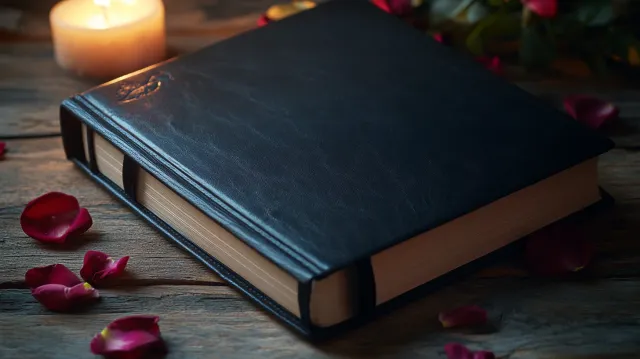
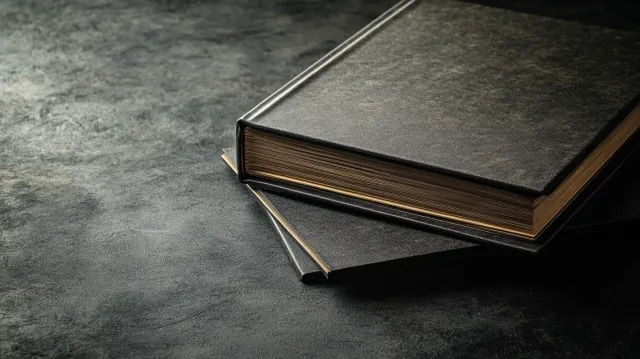
Leather (real or faux). The most common choice for boudoir. Durable, ages well, feels substantial. Colors range from classic black and cognac to more unusual options like deep green, blush, or ivory. Faux leather is nearly indistinguishable from real in final feel and costs significantly less.
Linen and fabric. Softer, more intimate feel. Often comes in muted palette — sage, dusty rose, cream, pale gray. Linen albums feel more like personal journals than formal books. Less durable than leather but age gracefully.
Photo-wrapped covers. The cover is itself a printed image from your session, often paired with album title or date. Visually striking; some clients find them too exposed if the album might be seen by people other than the intended audience. Best for albums that will be deliberately private.
Metal and acrylic. Uncommon in boudoir but occasionally used for highly modern aesthetics. Feel more like art objects than personal albums.
Page Count and Image Count
The relationship between page count and image count is where most first-time clients get confused. Two metrics to understand:
Spreads. Two facing pages = one spread. A 20-spread album has 40 pages.
Images per spread. Most boudoir layouts use 1–3 images per spread. Single-image spreads are the most intimate and emotional. Multi-image spreads show more variety.
A typical 10x10 boudoir album with 25 spreads might include:
- 5 single-image "hero" spreads — your strongest frames, presented at scale
- 15 mixed spreads — 2–3 images per spread showing range
- 5 closer-framed spreads — portraits and detail work
Total image count for this layout: roughly 45 images. Higher image counts are possible but past 50 images, albums often feel exhaustive rather than curated.
Layout Styles
Clean single-image. One image per spread, centered or anchored to one side. Emphasizes each image individually. Reads most personal.
Magazine-style. Multiple images per spread, varied in size, often with intentional white space. Shows range and narrative. Reads more editorial.
Story-driven. Image order follows an emotional or chronological arc through the session. Hero image opens; quieter frames close. Requires more design attention but often produces the most meaningful albums.
Themed sections. Album divided into sections — wardrobe, mood, or location-based. Less common; works when sessions produced distinctly different looks.
Typical Pricing
Prices vary by studio, bindery, and specifications. Rough ranges for professionally produced custom albums:
- 6x6 with 15–20 images: $250–$450
- 8x8 with 20–30 images: $400–$700
- 10x10 with 25–40 images: $600–$1,000
- 12x12 with 30–50 images: $900–$1,500
Premium options (heirloom leather, gilded edges, custom foil stamping) push prices higher. Budget options (smaller sizes, simpler covers, lower image counts) come in below.
At Photography Shark, album options and pricing are discussed during the design consultation after your gallery is delivered. See boudoir services and pricing for session pricing, and our prints and wall-art catalog for everything sold outside the album — gallery wraps, metal prints, framed enlargements.
When to Decide on Album Specifications
Album decisions happen after your gallery is delivered, not before. This matters because:
You need to see what you have. Some sessions produce frames that demand a larger album. Others produce tighter edits that serve a smaller format better. Designing an album you haven't shot is guessing.
Your emotional response to specific images shapes layout. Certain frames will stand out to you in ways you can't predict. Those frames become the anchors of the album. Until you've seen the gallery, you don't know what those will be.
Cover material interacts with image palette. If your gallery skews toward warm tones, a cognac leather cover might feel right. If it skews cool and quiet, sage linen might land better. These decisions are more intuitive after you've seen the images.
The album design consultation typically happens 3–4 weeks after the session, once the edited gallery has been delivered and you've had time to live with it.
The "Do I Need an Album" Question
Not everyone needs a physical album. Some clients keep only digital files. Some produce a small selection of framed prints instead. Some order an album years after the session.
Reasons to produce an album:
- You want the images in a physical form that can be returned to easily. Digital files get forgotten; albums get opened.
- The session is a gift and a digital file isn't really a gift.
- The images will eventually be shared with specific people in specific contexts. Albums handle this better than digital galleries.
Reasons to hold off or skip entirely:
- Privacy concerns about a physical object existing. Digital files can be deleted; albums are harder to make disappear.
- Budget constraints. A session can deliver excellent images without an album; the album is additive, not required.
- Uncertainty about which images matter most yet. Time often clarifies this. Waiting 6 months before producing an album is fine.
Album Production Timeline and Reorder Logistics
A few practical notes most clients ask about after the design consultation:
Production turnaround. Once album design is approved, the bindery typically takes 4–6 weeks to produce a finished book. Premium leather and gilded-edge specifications can extend this to 8 weeks. If the album is a gift for a specific date — birthday, anniversary, holiday — work backward from that date and factor in the design consultation lead time on top of production.
Reorders and companion albums. A common pattern: the primary album for the client, plus a smaller 6x6 companion album as a partner gift. Companion albums use the same design file at reduced size, so the second album is significantly cheaper than ordering a fresh design. Reorders of identical albums (replacing one that was lost or damaged) are also straightforward.
Edits after delivery. Once the album is printed and bound, changes mean a fresh production run — which means the full price again. The design consultation is the moment to scrutinize layout choices. Take a day between final design approval and pressing the order button if you're uncertain about anything.
Storage and care. Albums live longest in cool, dry, indirect-light environments. Bedside drawers and bookshelves both work; attics, garages, and direct-sun shelves do not. Leather covers benefit from occasional conditioning every few years. Acid-free paper interiors (which is what professional binderies use by default) hold their image quality for 75+ years under reasonable conditions.
Ready to Book a Session?
Get in touch to schedule a consultation. Photography Shark is based in Rockland, MA, serving Boston and the full South Shore.
Related reading: Paying for a boudoir package over time · Best boudoir photographer Boston · Boudoir photography in Massachusetts — what to expect · Boudoir services & pricing · Private South Shore boudoir sessions Further reading: fresh-start photoshoot session.
Frequently Asked Questions
What's the typical price range for a boudoir album?
Custom boudoir albums from professional studios typically range $400–$1,200 depending on size, cover material, page count, and image count. Entry-level albums are smaller (6x6, 8x8) with basic covers; premium options include 12x12 or larger with leather covers and extensive page counts.
How many images should go in a boudoir album?
Most boudoir albums include 20–40 images across 20–30 spreads. Tighter edits with your strongest frames tend to produce more powerful albums than exhaustive ones. Under 15 images feels thin; over 50 starts to dilute impact.
What album size is most common?
10x10 is the most common for boudoir — enough presence to feel substantial without being ostentatious. 8x8 feels more personal and fits in a bedside drawer. 12x12 is dramatic and reads more like a coffee-table book.
What cover material should I choose?
Leather (real or faux) is the most common for boudoir because it ages well and feels substantial. Fabric and linen feel more intimate. Photo-wrapped covers put an image from the session on the cover, which some clients love and some find too exposed — depends on how private the album needs to be.
When should I decide on album details?
After your gallery is delivered, not before. Album decisions are made based on what was actually captured in your session — not a template you've selected in advance. The design consultation happens after you've seen your images.
Related Posts


You Might Also Like
About the Author
Chris McCarthy
Chris McCarthy has run Photography Shark Studios in Rockland, MA for over 10 years and 500+ sessions, with executive headshot work for Rockland Trust, Clean Harbors, M&T Bank, and McCarthy Planning; founder portraits for AI startups including Lowtouch.ai; product photography for South Shore brands like Lauren's Swim; and headshots across South Shore legal, medical, financial, and academic practices. Every session is personally shot and edited by Chris on Sony mirrorless and Godox strobe systems — no assistants, no outsourcing, no batch retouching. Galleries deliver in 3–5 business days. About the photographer →
Photography Shark · Boston & South Shore MA
Ready to Book a Session?
Professional headshots, senior portraits, boudoir, and model portfolios. Studio in Rockland, MA — 25 miles south of Boston. Sessions from $395.