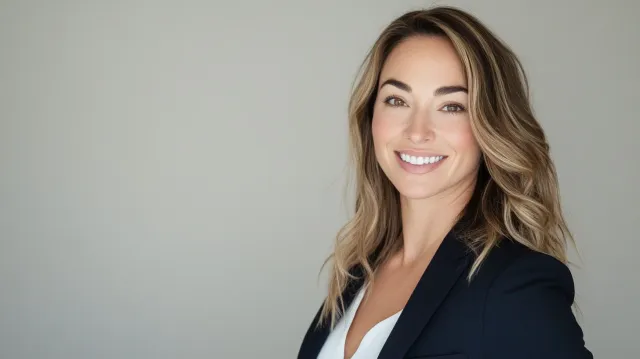
Headshots
The Morning-Of Checklist Before Your Headshot Session
A concrete do-this-not-that checklist for the morning of your headshot session — wardrobe, grooming, food, and timing for Boston professionals.
Chris McCarthy
Professional Photographer, Photography Shark · April 13, 2026 · Updated May 18, 2026
The morning of your headshot session is not the day to improvise. By the time you walk into the studio at 83 E Water Street in Rockland, the variables that matter most — sleep, hydration, food, outfits, grooming, and timing — should already be settled. This is the checklist Photography Shark gives every client the night before their session, organized in the order it actually matters.
I have photographed headshots for every industry represented on the South Shore, and the preparation questions are remarkably similar.
The 7-day countdown — what to settle before "morning-of" even matters
A lot of clients ask Photography Shark what the "morning-of routine" is. The honest answer: by the time the morning arrives, the heaviest lifting has already happened a week earlier. Five things should be locked in 7 days before the session:
- Final haircut or trim was 5–10 days ago. Not the day before. A fresh cut looks fresh — slightly grown-in for 5–10 days looks like a haircut. A cut from the morning of the session almost always reads as "I just got a haircut" on camera, which is not the same as looking polished.
- No new skincare in the previous 7 days. Retinols, glycolics, prescription tretinoin — all of them can produce flakes, redness, or sensitivity in a window where you don't want a reaction. If you're already on them and tolerating well, fine; do not start anything new this week.
- Any color treatments (hair, brows, lashes) are 7+ days out. Color settles into its real tone after about a week. Day-of color looks freshly colored, which dates the photo.
- Wardrobe options are short-listed AND tried on with the actual shoes you'll wear. Heel height changes how a blazer hem sits. A blouse that looked great with flats can pull oddly with heels.
- You've actually looked at recent photos of yourself in those outfits. Bedroom-mirror approval and camera-lens approval are different. If you don't have phone photos of the outfit, take some. Phone selfies are not the same as a portrait camera, but they catch the obvious problems.
This week-out audit is the part most clients skip — and it's the part that makes the morning-of routine easy because there's nothing left to second-guess.
The night before
Sleep is the single biggest input you can control. Plan for seven to eight hours and resist the urge to go for nine — oversleeping creates the same puffy, slightly off-register look as undersleeping. Hydrate steadily through the previous afternoon but taper after dinner so you don't wake up with morning puffiness around the eyes. Skip a second glass of wine: alcohol dulls skin and is one of the most visible morning-of-session variables on camera.
Iron or steam your outfits the night before, not the morning of. Hang each one on a separate hanger, put them on a garment bag, and load the car before you go to bed. The Boston professionals who arrive frazzled almost always traced it back to a wrinkled blazer and a missing belt.
The 90 minutes before you leave
Eat a normal balanced meal — protein, complex carbs, a small amount of fat — about 60–90 minutes before the session. Skip very salty food (it causes that morning-puffiness everyone notices on camera but can't quite name) and skip heavy carbs immediately before (you'll get an energy dip during the shoot). A normal cup of coffee is fine and usually helpful; a triple espresso introduces eye jitters that are visible at full resolution.
Grooming is a sequence, not a list. Shave or trim a day or two earlier so any minor nicks or irritation has time to settle — never the morning of. Hair should be styled the way you wear it most days, not the way you wear it for a wedding. Makeup should be slightly more matte than usual and slightly more defined around the eyes — studio strobes flatten subtle makeup. Avoid heavy contouring, glossy lip products, and any new product you haven't tested in photographs before.
Arrival and the first ten minutes
Arrive five to ten minutes early — enough to settle, use the restroom, and check wardrobe in the studio mirror. Earlier than that and you sit with nothing to do, which builds nerves rather than dissipating them. The studio has free on-site parking, so you don't need to factor in a hunt for street parking.
When you arrive, flag anything unusual immediately: a fresh blemish, a wardrobe second-thought, an irritation that wasn't there yesterday. Small temporary issues come out cleanly in retouching; bringing them up early lets the session work around them instead of fighting them. The first ten minutes are spent locking in lighting and the opening pose — that's normal, not slow. By the time the strobes are dialed in, your shoulders will have dropped and the first usable frames will follow within a minute or two.
A 48-hour countdown, in a single block
For clients who just want the compressed version, here is the 48-hour countdown that produces the best on-camera results:
- T-48h: No alcohol, no excessive salt, no late nights, no new skincare.
- T-24h: Confirm parking, confirm address, confirm time. Lay out all wardrobe options. Hydrate steadily but stop heavy water 3 hours before bed.
- T-12h: Light dinner — protein, vegetables, complex carbs. Optional 10-minute walk to release tension. Asleep by your normal bedtime.
- T-2h: Normal breakfast. Light grooming. Skin routine matches your daily one, not a new "for the headshot" routine.
- T-30min: Leave the house. Build in a 5–10 minute buffer for Boston/South Shore morning traffic — Route 3, Route 18, and the 93/Expressway exits all have unpredictable mornings.
- T-0: Arrive 5–10 minutes early. Change in the dressing room. Lock in lighting in the first 90 seconds.
The countdown looks rigid on paper. In practice it is just "sleep, eat, leave on time." The reason to formalize it is that headshot sessions are typically booked weeks in advance for a specific business reason — a new role, a website refresh, a media kit — and rescheduling because of an avoidable morning-of issue costs more than the 15 minutes of pre-planning the night before.
The 90 minutes AFTER the session
A small part of the checklist nobody talks about: what to do after. The session itself is 30 minutes for most headshot bookings (60 minutes for two looks). The next 90 minutes are when you should NOT post a behind-the-scenes selfie of your face on social media, NOT change clothes immediately into something that wrinkles, and NOT eat heavy food if there's any chance a re-shoot of a single look would be needed (very rare, but it happens for the occasional executive headshot where a single frame is needed and a re-shoot is faster than retouching).
The other reason to keep the next 90 minutes simple: gallery review for some packages happens that day or the next morning. Coming back to look at proofs with the same energy you had during the shoot produces better selects than coming back exhausted.
What to bring
- Two to three complete outfits (every layer, every accessory, on separate hangers)
- A lint roller — pet hair shows clearly on dark fabrics under studio strobes
- Touch-up makeup if you wear it (powder, lip product, mascara)
- A small mirror is not necessary; the studio has them, but bring your own if you prefer
- The names and URLs of any platforms the photos will be used on, so the framing matches what those platforms crop to
The session itself is the easy part once the morning is handled. If you've done the night-before prep, eaten a normal breakfast, and arrived on time with options, the headshots will reflect that — and the Boston headshot session will feel like the short, simple shoot it's designed to be. Related: interview-ready headshots · essential headshot prep tips.
Frequently Asked Questions
What should I eat before a headshot session?
A normal meal that doesn't leave you bloated or sluggish. Avoid very salty food (causes morning puffiness), high alcohol the night before (dulls skin), and heavy carbs immediately before (energy dip). A balanced meal 1–2 hours before the session is the safe choice.
Should I drink coffee before my session?
Moderate caffeine is fine and usually helps — it brings energy to the face. Excessive caffeine can cause jittery expressions, especially around the eyes. Normal morning cup, not triple espresso.
What time should I arrive for my session?
5–10 minutes early. Enough to settle, use the restroom, and check wardrobe in the studio mirror — not so early that you're waiting with nothing to do, which can build nerves rather than dissipate them.
What if I'm having a bad skin day?
Flag it when you arrive. Temporary issues (fresh blemish, irritation) are reduced in retouching. Lasting concerns (significant breakout, visible irritation) can be discussed — in rare cases, rescheduling is the right call, but usually the combination of careful makeup, posing, and editing handles it.
Should I bring a backup outfit?
Yes, always. Outfits that look good in your bedroom mirror sometimes don't translate to camera. Having 2–3 options means you're never locked in if something isn't working. More options take only a few extra minutes; fewer options can compromise the session.
Related Posts

You Might Also Like
About the Author
Chris McCarthy
Chris McCarthy has run Photography Shark Studios in Rockland, MA for over 10 years and 500+ sessions, with executive headshot work for Rockland Trust, Clean Harbors, M&T Bank, and McCarthy Planning; founder portraits for AI startups including Lowtouch.ai; product photography for South Shore brands like Lauren's Swim; and headshots across South Shore legal, medical, financial, and academic practices. Every session is personally shot and edited by Chris on Sony mirrorless and Godox strobe systems — no assistants, no outsourcing, no batch retouching. Galleries deliver in 3–5 business days. About photographer Chris McCarthy →
Photography Shark · Boston & South Shore MA
Ready to Book a Session?
Professional headshots, senior portraits, boudoir, and model portfolios. Studio in Rockland, MA — 25 miles south of Boston. Sessions from $395.