Headshots
ERAS Photo Guide: The Residency Application Headshot, Explained
What an ERAS photo is, the AAMC requirements, what to wear (white coat or not), and how to prepare — a residency application headshot guide from a Boston-area studio.
Chris McCarthy
Professional Photographer, Photography Shark · May 28, 2026
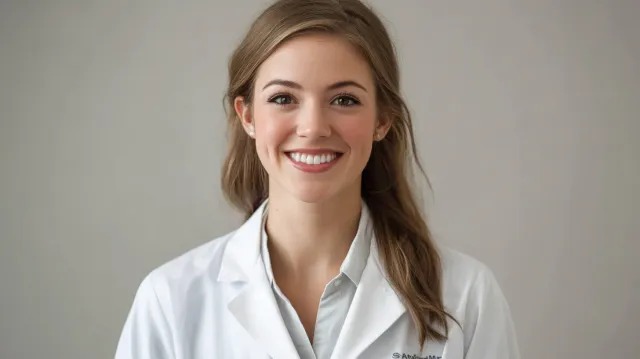
An ERAS photo is the headshot you upload to the Electronic Residency Application Service — the AAMC system you use to apply to residency. It is a single color, head-and-shoulders portrait that sits on your application and is used by program directors and coordinators to recognize you during interview season. In other words, it is a professional headshot with a specific job: making you instantly recognizable and quietly signaling that you take the process seriously. This guide covers exactly what the photo needs to be, what to wear, the mistakes that make residency photos look amateur, and how to prepare so the image works the first time.
I have photographed headshots for physicians, residents, nurse practitioners, and graduate students across the South Shore, and the residency-application version comes with its own set of questions. Here is the full breakdown.
What the ERAS Photo Is Actually For
It helps to be clear about the photo's purpose, because that purpose drives every decision about how it should look.
The ERAS photo is a recognition tool first. When you arrive for an interview — whether in person or on video — the coordinator and faculty have your photo open next to your application. They are matching the face in the room to the name on the page. A current, clearly lit, front-facing photo makes that effortless. An outdated, dim, or oddly cropped photo makes it harder, and it does so at the precise moment you want everything to feel smooth.
It is also a first impression. Program directors review enormous numbers of applications. The photo is one of the first things they see, and while it is not scored, it contributes to a gestalt. A clean, warm, professional image says "this person is organized and serious." A pixelated selfie says the opposite. You are not trying to win the application with the photo — you are trying to remove any reason for it to count against you.
Understanding both jobs explains the standard: recognizable, professional, neutral, and friendly. Nothing flashy, nothing distracting.
ERAS Photo Requirements and Specs
The AAMC publishes the authoritative technical requirements in your ERAS dashboard, and — importantly — they adjust the exact file format, pixel dimensions, and file-size ceiling from cycle to cycle. Always confirm the current numbers there before you upload. What stays constant is the photographic standard:
- Color, not black and white.
- Head-and-shoulders framing — your face occupies most of the frame, cropped around the upper chest.
- A clear, front-facing view of your face, eyes open and visible (glasses are fine if they don't glare).
- Professional attire (more on that below).
- A plain, neutral background with even lighting and no shadows.
- Recent — taken within the last year or two.
The commonly referenced print proportion is 2.5 by 3.5 inches (the old wallet-photo ratio), which is close to the 5:7 / 4:5 vertical family. Because the platform handles the upload digitally now, what matters more is that the file is high enough resolution to look sharp and correctly proportioned so the system doesn't crop your forehead or chin awkwardly. If you want a deeper reference on portrait dimensions and aspect ratios, the headshot sizes and dimensions guide breaks down how print and digital specs relate.
What to Wear: White Coat vs. Business Attire
This is the most common ERAS photo question, and the honest answer is that both work, and neither is mandatory.
The white coat reads instantly as medicine. Against a neutral background it photographs cleanly, the lapels frame the face well, and it removes any guesswork about wardrobe. The risks are practical: a wrinkled, oversized, or dingy coat looks worse on camera than a good blazer. If you go this route, the coat should be pressed, properly fitted, and clean, with a simple collared shirt (and tie, if you wear one) underneath.
Business attire — a tailored suit or blazer — is equally professional and arguably more versatile. The same image can then serve as your LinkedIn photo, your hospital staff bio later, and your general professional headshot. Solid, muted colors (navy, charcoal, deep blue) photograph best; loud patterns and bright logos distract at small sizes.
The real deciding factor is fit and grooming, not the garment. A sharp, well-fitted blazer beats a borrowed white coat two sizes too big every time. Whatever you choose, the professional headshot wardrobe guide covers fabric, color, and fit decisions that hold up under studio light, and the Boston-specific what-to-wear walkthrough goes deeper on industry norms.
Expression: Approachable, Not Stiff
Medicine is a people profession, and the expression that works for residency photos reflects that: composed, warm, and approachable. A genuine, controlled smile — the kind that reaches the eyes — is the strongest default. It signals the bedside manner programs are quietly evaluating.
Avoid the two failure modes. The first is the rigid, unsmiling "ID badge" face, which reads as cold. The second is the over-bright, forced grin, which reads as nervous. The target is the expression you'd have meeting a patient you're glad to see: relaxed, engaged, present. A good photographer coaches this in real time rather than asking you to hold a pose — which is most of what separates a session that produces a usable frame from one that produces fifty stiff ones.
Lighting and Background
The technical foundation is simple and non-negotiable: soft, even light and a clean, neutral background.
For lighting, you want illumination that flatters skin and renders color accurately without harsh shadows under the eyes or nose. In the studio that means soft modifiers and a controlled setup; outside a studio, large diffused window light is the best free substitute. Overhead office fluorescents and direct on-camera flash are the two most common culprits behind bad residency photos — both produce unflattering shadows and off color.
For the background, neutral and plain wins: white, light gray, or a muted mid-tone. No other people, no clutter, no clinic hallway, no outdoor scenery. The background's only job is to disappear so your face is the entire story.
Common ERAS Photo Mistakes
These are the recurring problems that make residency photos look amateur — all avoidable:
- The cropped group photo. Someone else's shoulder or a telltale awkward crop is obvious and reads as last-minute.
- The selfie. Phone front cameras use wide lenses that distort facial proportions, and the angle is almost always wrong.
- The badge or passport photo. Flat, harsh, and joyless — technically a photo of your face, but not a headshot.
- Outdated by years. If you no longer look like the photo, it fails its primary recognition job.
- Busy or dark background. Anything that competes with your face.
- Poor color. Fluorescent green or tungsten orange casts make you look unwell, which is a bad look in medicine specifically.
- Wrinkled or ill-fitting attire. Especially a rumpled white coat.
If you're weighing whether to shoot it yourself, the honest DIY-versus-professional comparison lays out exactly where self-shot photos hold up and where they fall apart — and residency applications sit firmly in the "get it right" category, because you only submit once per cycle.
DIY vs. a Professional Session
A careful DIY ERAS photo is possible: good window light, a clean wall, a tripod or a steady friend (never a selfie), professional attire, and conservative editing can produce an acceptable result. Many applicants do this successfully.
That said, the stakes argue for getting it done properly. The photo is locked in for the cycle, it's seen by every program you apply to, and it doubles as your professional headshot for years afterward. A 30-minute studio session removes the variables — lighting, background, color, crop, expression coaching — and gives you multiple looks (white coat and blazer, smiling and composed) to choose from. For most applicants the cost is small relative to the application total and the peace of mind is worth it.
How an ERAS Headshot Session Works at Photography Shark
At my Rockland studio — about 35 minutes south of Boston — a residency headshot session is built around producing a clean, recognizable, warm image efficiently. We work with calibrated studio lighting on a neutral backdrop, shoot both a white-coat look and a business-attire look if you bring both, and capture a range from composed-neutral to a genuine warm smile so you can pick what fits. I direct expression and posing in real time, so you don't need to know how to pose; that's my job. Galleries deliver quickly, retouching is conservative (clear skin and accurate color, never plasticky), and you get crops sized for the ERAS upload plus square and vertical versions for LinkedIn and future hospital bios.
If you're a medical student or graduate preparing your application, the ERAS headshot session page covers exactly what the residency application needs, or see the broader medical and physician headshots approach — and find a studio session near you if you're outside the South Shore.
Quick Pre-Session Checklist
- Confirm the current AAMC file spec in your ERAS dashboard.
- Decide white coat vs. blazer — bring both if unsure; have them pressed.
- Solid, muted colors; avoid loud patterns and logos.
- Haircut about a week out (not the day before); facial hair groomed.
- Glasses: bring them, but anti-glare or angle-adjusted to avoid reflections.
- Rest the night before — under-eye shadows are harder to fix than people think.
- Plan for a recent photo you'll still resemble on interview day.
Want it as a printable checklist? Download the free ERAS residency headshot guide (PDF), with an upload checklist for this cycle's specs and 12 application poses.
Ready to Book Your Residency Headshot?
Get in touch to schedule a session. Photography Shark is in Rockland, MA, an easy drive from Boston, Quincy, and the South Shore. Sessions start at $395 with fully retouched images, ERAS-ready crops, and full personal use included — and the same images will carry you from application season into your professional bios for years.
Related reading: Book an ERAS headshot in Boston · Medical and physician headshots · Headshot sizes and dimensions · What to wear for a professional headshot · How to prepare for your headshot session
Frequently Asked Questions
What is an ERAS photo?
An ERAS photo is the headshot you upload to the Electronic Residency Application Service (ERAS), the AAMC system medical students and graduates use to apply to residency programs. It is a single color, head-and-shoulders portrait that appears on your application and is used by program directors and coordinators to recognize you during interview season. It functions as a professional headshot, not a casual photo or a selfie.
What are the ERAS photo requirements?
The AAMC asks for a recent color photo, head-and-shoulders framing, a clear view of your face, professional attire, and a plain background, saved as a standard image file. The commonly used print proportion is 2.5 by 3.5 inches. Because the AAMC updates the exact file format, dimensions, and size limits each application cycle, confirm the current specification in your ERAS dashboard before uploading — but the photographic standard (clean light, neutral background, professional dress, approachable expression) does not change year to year.
Should you wear a white coat in your ERAS photo?
Both a white coat and standard business attire are accepted, and neither is required. A white coat reads unambiguously as medicine and photographs cleanly against a neutral background, which is why many applicants choose it. Business attire (a suit or blazer) is equally professional and is a common choice for applicants who want a look that also works on LinkedIn and hospital bios. The deciding factor is fit and grooming, not the garment — a well-fitted blazer beats an ill-fitting borrowed coat.
Does the ERAS photo need to be professional?
It does not have to be shot by a professional, but it has to look professional: even lighting, a neutral background, accurate color, sharp focus on the eyes, and a friendly, composed expression. Phone selfies, cropped group photos, and badge photos read as careless to program directors who review thousands of applications. A professional session is the reliable way to clear that bar, but a carefully executed photo with good window light can also work.
How recent should an ERAS photo be?
Recent enough that you are clearly recognizable when you walk into the interview — that is the whole point of the photo. A good rule is within the last one to two years, and sooner if your appearance has changed (hair, glasses, facial hair, significant weight change). Program coordinators use the photo to match faces to applications on interview day, so an outdated image creates friction at exactly the wrong moment.
Do residency programs actually look at the ERAS photo?
Yes, though not as a scoring criterion. The photo is primarily a recognition tool — coordinators and faculty use it to identify applicants during interviews and to put a face to the application during review. It will not get you an interview on its own, but a sloppy or unprofessional photo is an avoidable small negative at a stage where every signal counts.
What should the background of an ERAS photo be?
A plain, evenly lit, neutral background — white, light gray, or a muted mid-tone. The background should not compete with your face, contain other people, or include distracting objects, logos, or outdoor scenery. A clean studio backdrop is the safest choice; a blank interior wall lit evenly can work if there are no shadows or clutter.
Related Posts
You Might Also Like
About the Author
Chris McCarthy
Chris McCarthy has run Photography Shark Studios in Rockland, MA for over 10 years and 500+ sessions, with executive headshot work for Rockland Trust, Clean Harbors, M&T Bank, and McCarthy Planning; founder portraits for AI startups including Lowtouch.ai; product photography for South Shore brands like Lauren's Swim; and headshots across South Shore legal, medical, financial, and academic practices. Every session is personally shot and edited by Chris on Sony mirrorless and Godox strobe systems — no assistants, no outsourcing, no batch retouching. Galleries deliver in 3–5 business days. About Chris McCarthy →
Photography Shark · Boston & South Shore MA
Ready to Book a Session?
Professional headshots, senior portraits, boudoir, and model portfolios. Studio in Rockland, MA — 25 miles south of Boston. Sessions from $395.