Photography Tips
The Model's Bill of Rights: Safety Standards Every Ethical Photographer Should Follow
A clear, shareable set of standards every model is entitled to and every ethical photographer should follow — covering consent, safety, boundaries, image rights, and fair treatment on any shoot.
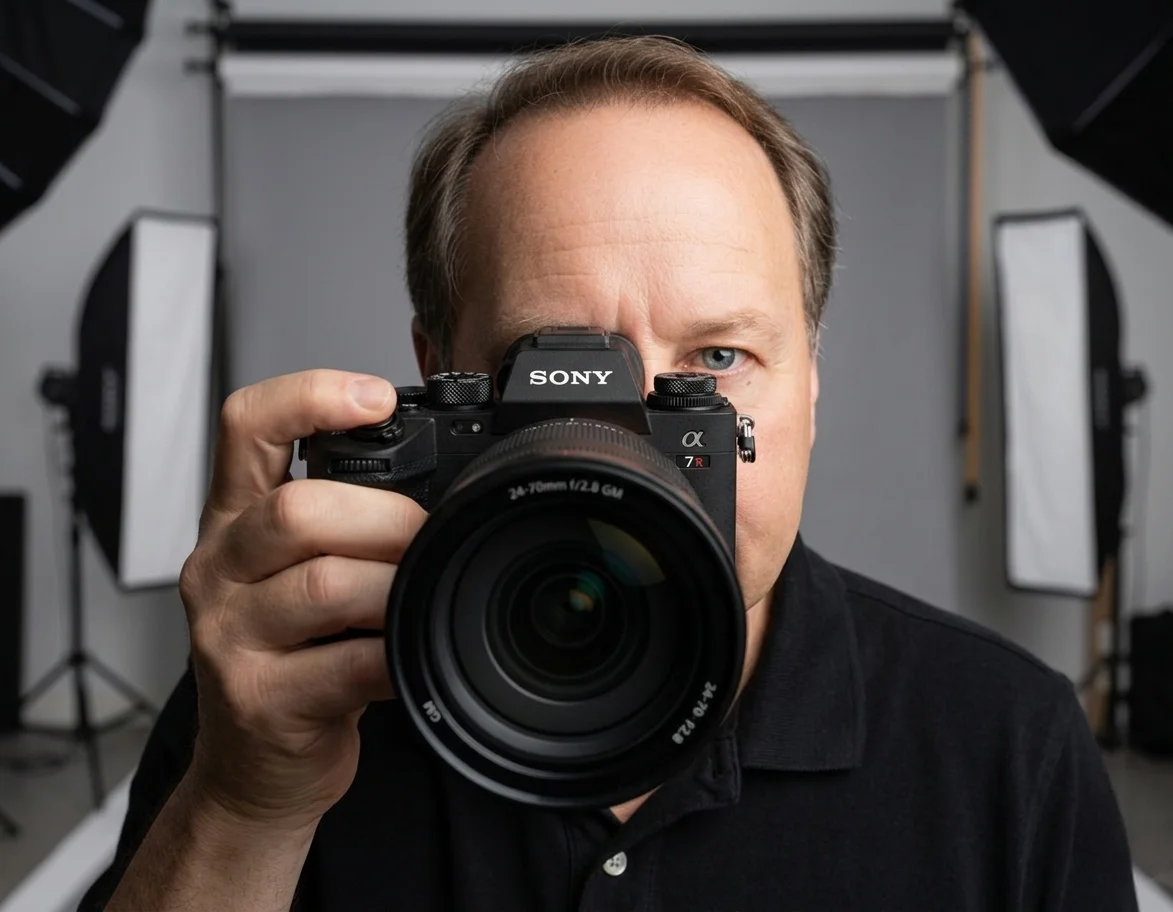
Chris McCarthy
Professional Photographer, Photography Shark · June 20, 2026
Every model — paid, trade, or first-timer — is entitled to a baseline of respect, safety, and transparency that no shoot should fall below. Most photographers meet that bar without thinking about it. But because the modeling world runs on trust between strangers, it helps to state the standard plainly: a Model's Bill of Rights that models can point to and ethical photographers are proud to follow. Use it to set expectations before a booking, to recognize when something's off, and to hold the industry — and yourself — to a higher floor. It applies equally whether you're signing with an agency, collaborating with a freelancer, or shooting your very first portfolio, and whether the work is paid, trade, or unpaid — the standard does not drop because the budget does.
This is the standard. The practical habits that put it into action are in our model safety checklist, and the document that formalizes image use is covered in our model release form guide. Together they form a simple framework: know your rights, take the precautions, sign the paperwork you understand.
1. The Right to Informed Consent
You have the right to know exactly what you're agreeing to before the shoot — the concept, the wardrobe, the level of coverage, the location, the duration, and how your images will be used. Informed consent means no surprises on set. A photographer who keeps the real concept vague until you've arrived has taken that right from you. Everything should be confirmed in writing in advance, and the conversation should match the model release you sign.
2. The Right to Ongoing Consent
Consent is not a single signature at the start of the day — it's continuous. You have the right to decline any individual pose, wardrobe change, or request at any moment, and to do so without justifying yourself. "Yes" to the shoot is not "yes" to everything in it. An ethical photographer treats every boundary as final and adjusts without friction or guilt-tripping.
3. The Right to a Safe Environment
You have the right to a professional, safe setting — ideally a real studio or a neutral, agreed location, not an improvised private space sprung on you at the last minute. That includes the right to verify the location in advance, share it with someone you trust, and have your own way to leave. Safety is the photographer's responsibility to provide, not the model's burden to negotiate.
4. The Right to Bring an Escort
You have the right to bring a chaperone or escort to any shoot, and a professional will never object to a calm, non-disruptive companion. This right is especially important for any lingerie, swimwear, or boudoir work. A photographer who insists you come alone — or pressures you to send your escort away — is violating one of the clearest lines on this list.
5. The Right to Set Boundaries
You have the right to define your limits — wardrobe, posing, and whether any touching for hair or posing is acceptable — and to have them respected completely. Boundaries set in advance don't expire when the shoot starts. "Boundary creep," where requests slowly escalate past what was agreed, is one of the most common ways the standard gets violated, and you're entitled to shut it down the moment it appears.
6. The Right to Stop at Any Time
You have the right to end a session whenever you feel unsafe or uncomfortable, with no penalty and no explanation owed. Feeling "off" is reason enough. A professional understands that a model's right to leave is absolute and never tries to talk you out of it or make you feel you're being difficult.
7. The Right to Transparency About Money
You have the right to know, before the shoot, whether the work is paid, trade/TFP, or portfolio — and what exactly you'll receive. Hidden fees, shifting terms, or any demand for upfront payment to be "represented" are the hallmarks of a modeling scam, not a legitimate booking. Clear, honest terms up front are your right.
8. The Right to a Clear Model Release
You have the right to read and understand the model release before signing it, to ask questions, and to negotiate limits on how your images are used. No one should rush you through it or hand you a form with blank fields. A release you didn't read isn't informed consent — it's a signature under pressure.
9. The Right to Understand Image Use
You have the right to know how your images will be used and to control your own likeness through the release. Copyright in the photos generally belongs to the photographer, but your likeness rights are yours — which is why the release defines the boundary between the two. You're entitled to clarity on portfolio versus commercial use, social media, third parties, and, increasingly, whether your image may be used to train AI.
10. The Right to Be Treated Professionally
Finally, you have the right to basic professionalism: clear communication, punctuality, a respectful tone, honest feedback, and delivery of the images you were promised on the timeline you agreed to. You are a collaborator, not a favor-seeker. The best photographers treat models as partners in the work — because the results are always better when everyone feels safe and respected.
Extra Rights for Minor Models
When the model is under 18, the standard rises and some rights become non-negotiable. A minor cannot give legally valid consent, so a parent or guardian must be informed, present, and the one to sign any release. Minor models have the right to a guardian on set at all times, to conservative and fully-clothed concepts appropriate to their age, and to the protections of state child-labor law. Any photographer who suggests working around a guardian's involvement has disqualified themselves. The full set of rules — supervision, image rights, and the law — is laid out in our teen modeling parent's guide.
Where These Rights Come From
None of this is invented. It draws on three established ideas. Likeness rights — your legal control over the commercial use of your own image — are the foundation of why the model release exists in the first place. Informed, ongoing consent is the standard borrowed from every profession that involves trust and the body, from healthcare to intimacy coordination on film sets. And basic contract fairness — clear terms, real consideration, no signatures under pressure — is simply how legitimate business is done. A Model's Bill of Rights isn't asking for special treatment; it's applying ordinary professional ethics to a field where newcomers are often too inexperienced to know what to expect.
How to Use This Bill of Rights
If you're a model, read these before a booking and notice how a prospective photographer measures up. You don't need every right spelled out in a contract — you need to recognize when one is being ignored. A single violation is a reason to slow down; several is a reason to walk away. Pair this with the concrete safety steps for every shoot.
If you're a photographer, treat this as the floor, not the ceiling. None of these rights costs you anything except the freedom to behave badly — and honoring them openly is one of the strongest trust signals you can send in a market where models talk to each other constantly. Studios that lead with consent and transparency are the ones models return to and recommend.
The Rights That Get Violated Most Often
In practice, a few of these are crossed far more than the rest — and knowing which ones helps you stay alert:
- The right to bring an escort (#4). Pushback here is one of the clearest danger signals there is. A flat "no" to a calm companion should usually end the conversation.
- The right to set and keep boundaries (#5). "Boundary creep" — slow escalation past the agreed concept — is the single most common violation, and it rarely announces itself loudly.
- Informed consent about the concept (#1). Booking a model for one kind of shoot and revealing a more revealing concept on arrival is a deliberate tactic, not a misunderstanding.
- A clear, readable release (#8). Being handed a form to sign quickly, with blanks or broad commercial grants, is how models lose control of their images without realizing it.
If you only memorize four lines from this entire Bill of Rights, make it these. Each one tends to fail quietly, which is exactly why naming them in advance is your best protection.
A Studio Built on These Standards
Photography Shark in Rockland, MA — about 25 minutes south of Boston — runs every model portfolio session on exactly these principles: informed consent, clear releases, welcomed escorts, real boundaries, and your comfort first. Get in touch to work with a studio where this Bill of Rights is just how things are done.
Related reading: The model safety checklist · Free model release form template · Modeling scams and red flags · Finding a reputable model photographer
Frequently Asked Questions
What rights do models have on a photoshoot?
Models have the right to know the shoot details in advance, to give informed consent to the concept and coverage level, to set and keep boundaries, to bring an escort, to a safe and professional environment, to stop the session at any time, to a clear model release, and to fair compensation as agreed. These rights apply whether the work is paid, trade, or portfolio, and whether the photographer is an agency, a studio, or a freelancer.
What makes a photographer ethical to work with?
An ethical photographer is transparent about the concept, compensation, and image use before the shoot; respects stated boundaries without pushing; welcomes an escort; provides a clear written release; maintains a safe, professional environment; and never makes a model choose between the shoot and their comfort. A verifiable business presence, real references, and a consistent portfolio are the outward signs of these practices.
Can a model say no during a shoot?
Yes — always. A model can decline any pose, wardrobe change, or request at any point, and can end the session entirely without owing an explanation. Consent is ongoing, not a one-time signature, and a professional photographer treats every "no" as final and adjusts immediately. Any pressure to continue past a boundary is a serious red flag.
Who owns the photos from a modeling shoot?
By default, the photographer owns the copyright to the images they create, while the model controls the rights to their own likeness through the model release. That's why the release matters so much: it defines how the photographer may use the model's image. Models can negotiate usage rights, delivery of files, and limits up front, but copyright ownership and likeness rights are two separate things worth understanding before you shoot.
Related Posts



About the Author
Chris McCarthy
Chris McCarthy has run Photography Shark Studios in Rockland, MA for over 10 years and 500+ sessions, with executive headshot work for Rockland Trust, Clean Harbors, M&T Bank, and McCarthy Planning; founder portraits for AI startups including Lowtouch.ai; product photography for South Shore brands like Lauren's Swim; and headshots across South Shore legal, medical, financial, and academic practices. Every session is personally shot and edited by Chris on Sony mirrorless and Godox strobe systems — no assistants, no outsourcing, no batch retouching. Galleries deliver in 3–5 business days. About the photographer →
Photography Shark · Boston & South Shore MA
Ready to Book a Session?
Professional headshots, senior portraits, boudoir, and model portfolios. Studio in Rockland, MA — 25 miles south of Boston. Sessions from $395.