Photography Tips
The Model Safety Checklist: 25 Things to Do Before, During & After a Shoot
A practical, model-tested safety checklist for photoshoots — what to do before, during, and after a session to protect yourself, whether you're shooting with an agency, a freelancer, or a TFP collaborator.
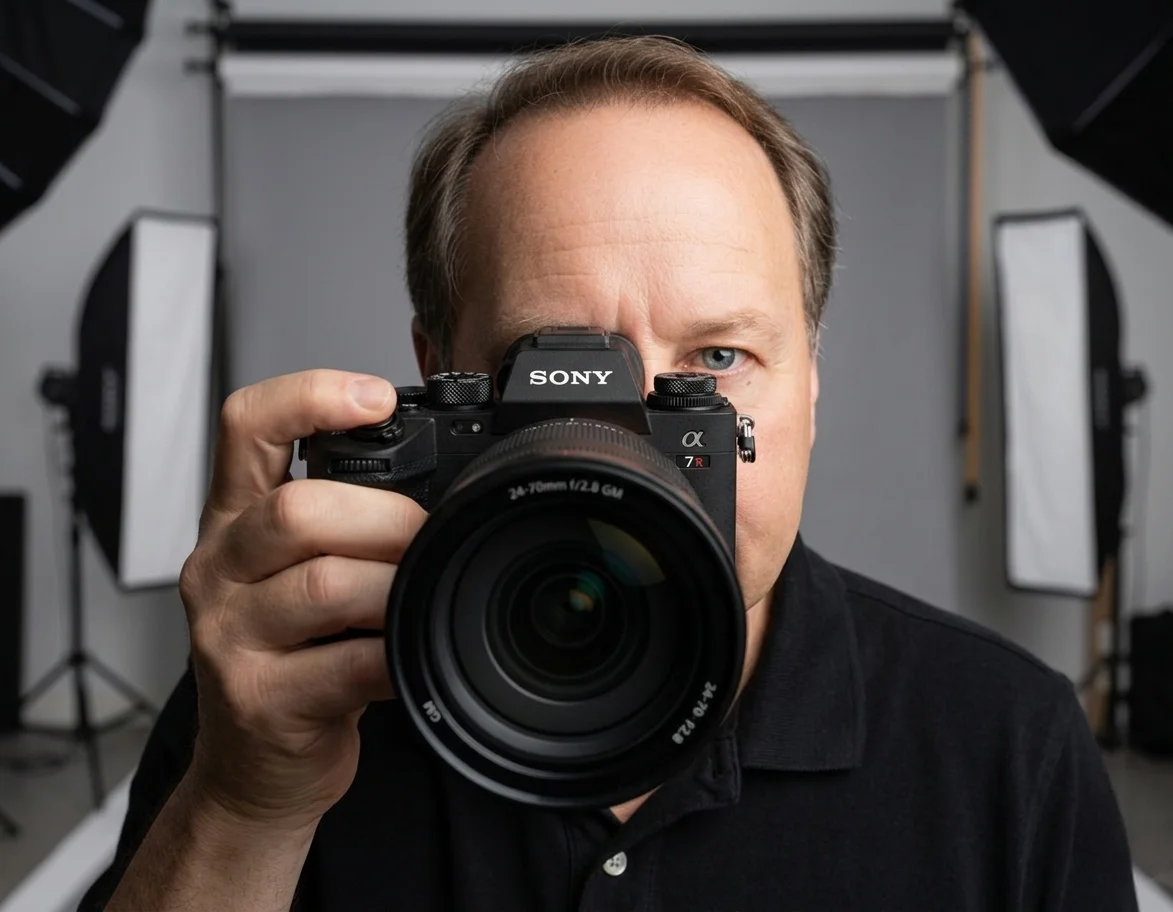
Chris McCarthy
Professional Photographer, Photography Shark · June 20, 2026
Staying safe as a model comes down to a handful of consistent habits: vet the photographer, share your plans, prefer neutral locations, set boundaries up front, and never let anyone rush you. Most shoots are completely professional — but the modeling world runs partly on trust between strangers, and a clear safety routine is what lets you collaborate confidently. This checklist covers 25 concrete actions across the three phases of any session: before, during, and after. Save it, and run through it every time, especially for a first shoot with someone new.
This is about physical and personal safety on set. For the separate problem of financial cons — fake agencies, upfront-payment schemes, and the like — read our guide to modeling scams and red flags. The two work together: one keeps your money safe, this one keeps you safe.
Before the Shoot: Vet, Verify, and Plan
The most important safety work happens before you ever arrive. A scam or a bad actor almost always reveals itself in the booking process if you're paying attention.
- Vet the photographer's real identity. Confirm a consistent name, business, and presence across a website, social media, and reviews. A serious professional has a verifiable footprint — see our full guide to finding a reputable model photographer.
- Look at a complete portfolio, not three cherry-picked images. Consistent, professional work across many sessions signals a real photographer.
- Ask for references — other models who have worked with them. A professional will provide them; a predator will deflect.
- Check for a studio or business address. A commercial studio is a strong positive signal. A "studio" that's actually a private apartment deserves more scrutiny.
- Define the shoot in writing. Concept, wardrobe, level of coverage (e.g., commercial vs. lingerie), location, start and end time, and compensation should all be confirmed over text or email — not left vague.
- Settle the money and rights in advance. Know whether it's paid, trade/TFP, or portfolio work, and read the model release before shoot day, not on the spot.
- Prefer a professional or public location for a first shoot. Neutral, visible, and often staffed — much safer than a private residence with someone you've just met.
- Verify the exact address and look it up before you go. A shifting or unconfirmed location is a red flag.
- Share your full plan with a trusted person: who you're shooting with, where, when, and when you expect to be done.
- Turn on live location sharing with that person for the duration of the shoot.
- Arrange your own transportation so you are never dependent on the photographer to leave.
- Decide whether to bring an escort — and know that a professional will never object. This is especially wise for boudoir, lingerie, or swimwear work.
- Set your boundaries in advance: wardrobe limits, posing comfort, and whether any touching (for posing or hair) is okay. Communicate them clearly before the shoot.
- Trust your instincts during booking. If the communication feels off, pushy, or rushed, you are allowed to cancel. No explanation required.
The pre-shoot questions worth asking
Before you confirm a booking with someone new, a few direct questions tell you most of what you need to know. How a photographer answers matters as much as the answers themselves:
- "Can you share a couple of references from models you've worked with?" — Professionals say yes easily.
- "Where exactly is the shoot, and is it a studio or a private space?" — Specific, confident answers are reassuring; vague or shifting ones are not.
- "I usually bring someone with me — that's fine, right?" — The right answer is an immediate yes.
- "What does the release cover, and can I read it ahead of time?" — A pro sends it over without hesitation.
- "What's the wardrobe and coverage level for this concept?" — Confirms you're both picturing the same shoot.
You're not interrogating anyone — you're having the normal conversation a professional has every week. The only people these questions bother are the ones you want to filter out.
During the Shoot: Stay in Control
Once you're on set, safety is about maintaining your boundaries and your ability to leave.
- Confirm the signed release matches what you discussed before you start shooting. Fix any mismatch first.
- Keep your phone on you and charged. Don't hand it over or leave it across the room.
- Hold your boundaries. If you said no to a wardrobe change or a pose, "no" still stands on set. A professional adjusts; a predator pushes.
- Watch for boundary creep. Requests that escalate beyond the agreed concept — "just a few more revealing ones" — are a clear signal to pause.
- Take breaks when you need them, and use them to check in with your escort or your trusted contact.
- You can stop at any time. Feeling unsafe or uncomfortable is reason enough to end the session. You owe no one your continued participation.
- Keep your escort present if you brought one. Anyone who suddenly wants them to leave is showing you something important.
After the Shoot: Document and Close the Loop
- Confirm image delivery — when, how many, and in what form you'll receive them.
- Keep your copy of the signed release and save all communication. This is your record if anything is ever disputed.
- Note how the session actually felt. A professional, respectful experience is worth remembering — and repeating. A bad one is worth recording in detail.
- Share honest feedback through reputable model community channels. Specific, factual warnings (or praise) are how the community protects the next person — a core idea behind the standards every ethical photographer should meet.
Special Situations That Need Extra Care
Some shoots carry more risk and deserve a higher bar.
- Boudoir, lingerie, and implied-nude work. The more revealing the concept, the more vetting it warrants. Insist on a professional studio, a limited model release that excludes broad commercial and social use, and an escort if you want one. Reputable boudoir is shot in dedicated studios with clear consent — see what a professional boudoir session actually looks like. A "boudoir audition" at a private apartment is not that.
- Hotel-room and private-residence "castings." Legitimate castings happen at agencies, studios, or over video — not in hotel rooms. Treat any audition or casting invitation to a hotel room or private home as a serious red flag, full stop.
- Travel and out-of-town shoots. Research the photographer even more thoroughly, keep your own room and transportation, share your full itinerary, and never let your ID or phone out of your control. Distance amplifies every other risk on this list.
- Minor models. A model under 18 cannot give valid consent — a parent or guardian must be present and must sign. The full rules around consent, supervision, and child-labor law are in our teen modeling parent's guide.
If Something Goes Wrong
Even with good habits, you may end up in a session that crosses a line. Your safety comes before politeness:
- Leave. You never owe anyone your continued participation. End the shoot, collect your things, and go — you don't need a polite reason.
- Get to people. Move toward your escort, a public area, or other people. Call your trusted contact.
- Document everything afterward. Write down what happened while it's fresh — names, times, what was said, what was requested. Save all messages.
- Report and warn. Depending on severity, report to the platform, the agency, local authorities, or reputable model-community channels. Specific, factual warnings protect the next model and reinforce the standards ethical photographers are expected to meet.
None of this is meant to make modeling sound frightening — the overwhelming majority of photographers are professionals who want you safe and comfortable. The point is that a small, repeatable routine lets you say yes to good opportunities with confidence and no to the rare bad one without hesitation.
The One Rule Behind All 25
Every item on this list reduces to a single principle: a real professional will never make you choose between the shoot and your safety. Vetting, escorts, location sharing, boundaries, the right to leave — none of it threatens a legitimate photographer, because they want you comfortable and coming back. The only people who push against these habits are the ones the habits are designed to protect you from. If a request ever forces that choice, you already have your answer.
Shoot Somewhere You Don't Have to Worry
Photography Shark is a professional studio in Rockland, MA, about 25 minutes south of Boston — a real, neutral, business location where consent, clear releases, and your comfort are built into how every model portfolio session runs. Get in touch to book a shoot you can feel completely at ease about.
Related reading: Modeling scams and red flags · The Model's Bill of Rights · Free model release form template · Honest advice for aspiring models
Frequently Asked Questions
How can models stay safe at a photoshoot?
Vet the photographer before you book (reviews, references, a real portfolio and business presence), share the full shoot details and your live location with someone you trust, prefer a professional studio or public location for a first shoot, bring an escort if you want one, set wardrobe and touch boundaries in advance, and keep the right to stop or leave at any time. Trusting your instincts and refusing to be rushed are the two habits that prevent the most problems.
Should a model bring someone to a photoshoot?
Bringing an escort or chaperone to a shoot is completely reasonable, especially for a first session with a new photographer or for any lingerie, swimwear, or boudoir work. A professional photographer will never object to a calm, non-disruptive escort. If a photographer insists you come alone or pushes back hard on bringing someone, treat that as a serious red flag and reconsider the booking.
Is it safe to do a photoshoot at someone's home or private studio?
A private studio can be perfectly safe once a photographer is vetted and verified, but for a first shoot with someone new, a commercial studio or public location is safer because it's neutral, visible, and often has other people around. If a shoot must happen at a private location, verify the address, share it and your live location with a trusted contact, bring an escort, and have your own transportation so you can leave at any time.
What are red flags that a photoshoot might be unsafe?
Warning signs include refusal to provide references or a verifiable business presence, pressure to shoot nude or more revealing than agreed, insistence that you come alone, vague or shifting locations, "auditions" at private residences or hotel rooms, requests for upfront payment to be "signed," and any communication that makes you feel rushed or uncomfortable. One red flag is enough to slow down; several is enough to walk away.
What should a model do after a photoshoot?
Confirm when and how you'll receive images, keep a copy of your signed model release, save all communication, and note how the session felt. If anything crossed a boundary, document it in writing and consider warning other models through reputable community channels. Honest, specific feedback — good or bad — is how the modeling community keeps itself safer.
Related Posts


You Might Also Like
About the Author
Chris McCarthy
Chris McCarthy has run Photography Shark Studios in Rockland, MA for over 10 years and 500+ sessions, with executive headshot work for Rockland Trust, Clean Harbors, M&T Bank, and McCarthy Planning; founder portraits for AI startups including Lowtouch.ai; product photography for South Shore brands like Lauren's Swim; and headshots across South Shore legal, medical, financial, and academic practices. Every session is personally shot and edited by Chris on Sony mirrorless and Godox strobe systems — no assistants, no outsourcing, no batch retouching. Galleries deliver in 3–5 business days. About photographer Chris McCarthy →
Photography Shark · Boston & South Shore MA
Ready to Book a Session?
Professional headshots, senior portraits, boudoir, and model portfolios. Studio in Rockland, MA — 25 miles south of Boston. Sessions from $395.