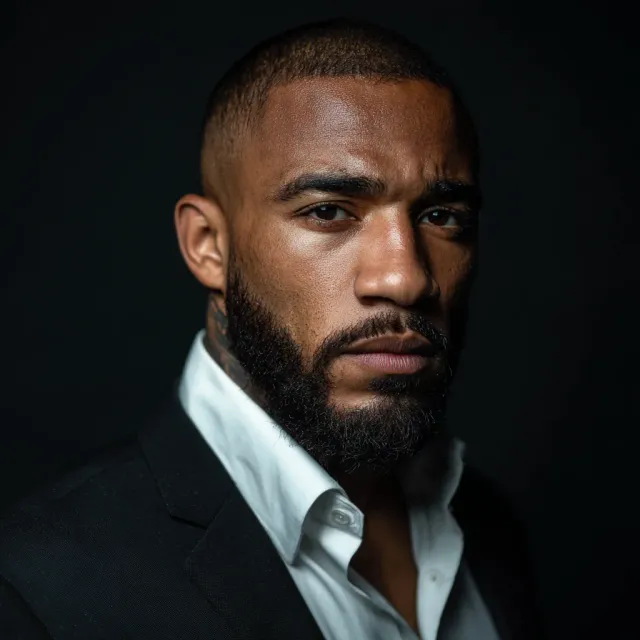
Actor Headshots
10 Tips for Actors Headshots
Ten practical tips for actor headshots — from choosing a casting-industry photographer to wardrobe, lighting, and over-retouching pitfalls.
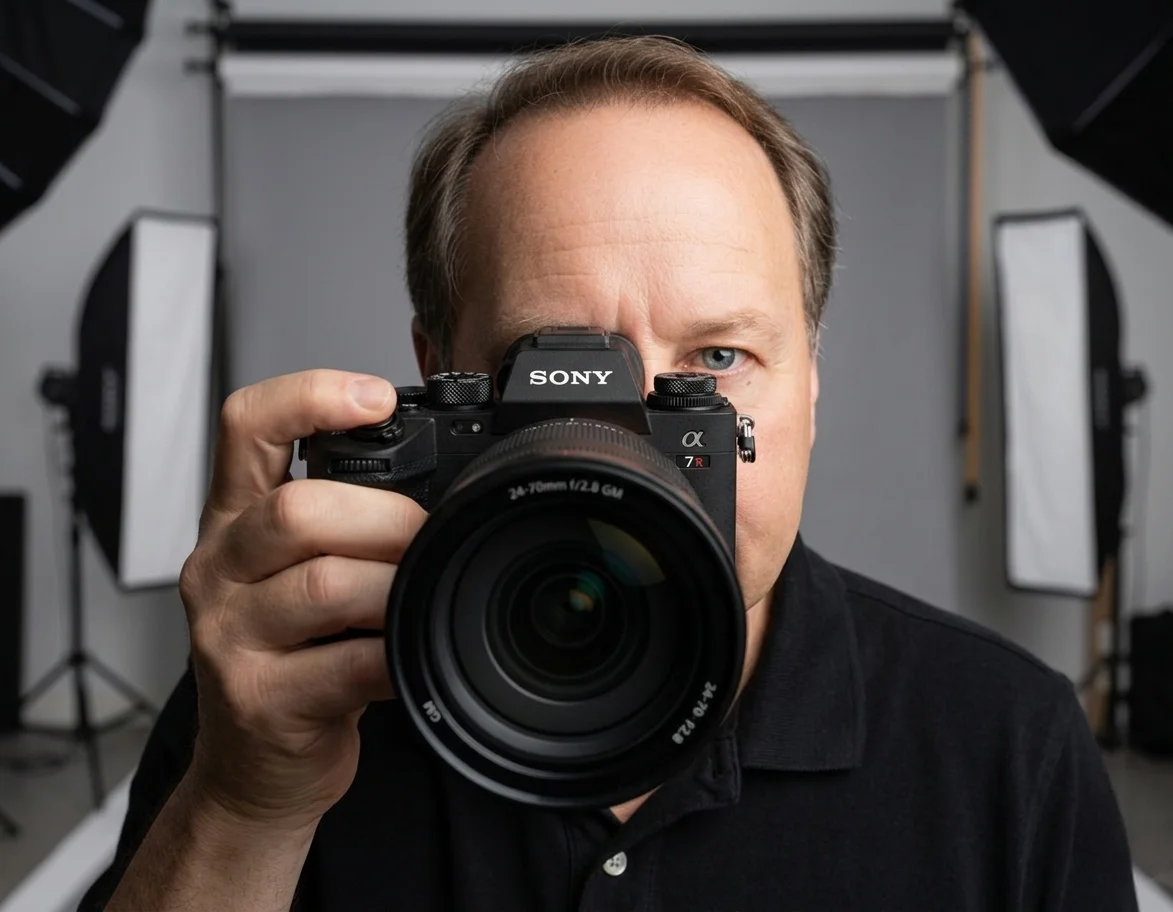
Chris McCarthy
Professional Photographer, Photography Shark · September 8, 2023 · Updated December 1, 2025
A headshot is the first thing a casting director sees. In most cases, it's also the thing that determines whether they read your resume or move on to the next submission. That's a lot of weight to place on a single photograph — and it's why the difference between a headshot done well and one done carelessly can significantly affect the trajectory of an acting career.
I've shot actor headshots for performers working in Boston theater, regional commercial work, independent film, and New England casting pools at every level of experience, from first-time actors to working professionals refreshing their portfolios. Here's what I've learned actually matters.
Photography Shark has been run by Chris McCarthy out of the Rockland studio since 2019, with actor headshots making up a significant share of the work that comes through the door each year.
1. Choose a Photographer Who Understands the Acting Industry
This is the most important decision, and it's worth spending real time on. Not every photographer who shoots portraits is equipped to shoot actor headshots. The skill sets overlap but they're not identical.
Actor headshots have specific requirements: the image should be clean and direct, focused on the face and expression, lit to reveal rather than dramatize, and framed in a way that's consistent with current industry standards. A photographer who primarily shoots weddings or landscapes may produce technically beautiful images that don't function the way an actor headshot needs to function.
Look at portfolios carefully. Are the subjects looking into the camera or slightly away? Is the focus sharp on the eyes? Does the lighting feel natural and three-dimensional, or does it feel flat and even? Are the images cluttered with distracting backgrounds, or do they keep attention on the face?
Ask whether the photographer has experience working with actors specifically. Ask what the session structure looks like. A photographer who walks you through the process with confidence and specificity is more likely to produce strong results than one who's figuring it out as they go.
The studio sitting built specifically for theatrical and commercial submissions is calibrated end-to-end for actor work — shot list, look-by-look pacing, and the editing pass on every frame are all set up around what casting directors actually want to see, not what the wider commercial market expects from a portrait.
2. Know Your Type Before You Arrive
Casting directors don't look at headshots and think "interesting person." They look and think "who is this, and what can they play?" Your headshot needs to answer that question at a glance.
Type is not about limiting yourself. It's about being honest about where you'd most naturally be cast right now, at this point in your career. A 22-year-old with a fresh-faced, open quality will book different roles than a 45-year-old with weathered intensity. Both need headshots — but they need different headshots.
Before your session, think about the roles you've actually been called in for, the characters you most often play, and what casting directors tend to see when they look at you. That information should shape everything from your wardrobe choices to your expression to the lighting style you ask for.
If you're unsure of your type, ask people who've worked with you — a director, a casting director you've met at workshops, other actors. The perspective of people who see you from the outside is often more useful than your own.
3. Dress for the Role, Not for the Occasion
A headshot session is not a fashion shoot. Your job is not to look your most fashionable or your most polished — your job is to look castable for the roles you want to book.
The golden rule: solid colors, simple cuts, nothing that distracts from your face. V-necks and open collars tend to work well because they draw the eye upward toward the face without adding visual clutter at the neckline. Patterns — stripes, checks, bold prints — create visual noise that competes with your expression and can cause problems with camera sensors.
Color matters. Test your wardrobe choices in natural light before the session. Some colors wash out against skin tones; others create flattering contrast. Jewel tones often photograph beautifully — deep blue, burgundy, forest green, warm teal. Black works well for dramatic or sophisticated types but can feel heavy for warmer, more accessible reads. White can work, but it's unforgiving if the light isn't perfectly controlled.
Bring multiple options and plan your looks before the day. Three or four distinct changes that each communicate a different aspect of your range gives you much better material to work with than one look you've spent all your preparation energy on.
4. Understand What Your Headshot Is Communicating
Every element of your headshot communicates something, whether or not you intended it. Your expression communicates approachability, intensity, warmth, conflict, intelligence. Your wardrobe communicates type, class, professional register. The way you hold your body communicates confidence or uncertainty. The lighting communicates the emotional tone.
This is why you need to think of your headshot as a branding exercise, not just a photo session. The question isn't "do I look good?" — it's "does this image clearly communicate what I want casting directors to understand about me?"
If your goal is commercial work — ads, corporate videos, print campaigns — your headshot should emphasize approachability, warmth, and a clean, relatable quality. If your goal is dramatic theater or film, you want more depth and intensity. If you're aiming for comedic roles, you want to convey playfulness and ease.
These tonal differences show up in expression, in the directness of your gaze, in the slight set of your jaw or softness around your eyes. A skilled headshot photographer can help you find these qualities, but you need to come in knowing what you're looking for.
5. Eyes Are Everything
In a headshot, the eyes are the primary point of connection between the subject and the viewer. Casting directors look at eyes. Everything else in the frame serves the eyes.
This has practical implications. Glasses can create reflection problems that obscure the eyes — if you wear glasses, discuss this with your photographer in advance and plan to shoot both with and without. Deep-set eyes may need slightly different lighting to ensure they're visible and fully lit. Strong catch lights — the small specular highlights in the pupil — make eyes look alive and engaged.
For expression, eyes should typically be engaged with the camera, not looking away. The difference between slightly narrowed eyes (focused, intense) and slightly more open eyes (warm, accessible) is significant. Practice the range in a mirror and notice what changes with subtle adjustments.
6. Get Your Expression Right — Then Get It Righter
The most common problem with actor headshots is an expression that's trying too hard. A smile that's been held long enough that it's started to tighten. A serious look that's gone rigid. An attempt to project depth that's tipped over into discomfort.
Natural expression is the goal, and it's harder to achieve than it sounds because the camera's presence changes how people feel. Here's what actually helps: think about something that genuinely occupies you — a scene you're working on, a relationship that matters to you, a specific moment in your life with emotional resonance. Let that thought produce something real rather than performing an expression at the camera.
Engage your photographer in conversation during the shoot. The shots that come when you're genuinely responding to something are almost always better than the ones where you've settled into a static pose.
Bring this range to the session: an open, direct look with warmth. A more contained, thoughtful look with depth. Something with a little edge or conflict. Something playful, if that's in your range. Variety in expression gives casting directors a more complete picture of what you can do.
7. Understand Lighting and Ask for What You Need
You don't need to be a lighting technician to have informed preferences about how you're lit. But understanding the basics gives you the vocabulary to communicate with your photographer and to recognize when something isn't working.
Broad, flat lighting creates an even, accessible quality. It works well for commercial and commercial-adjacent work where approachability is the priority. It minimizes facial texture, which can be an advantage or disadvantage depending on the actor's skin.
Rembrandt-style lighting — with a directional key light and a soft fill — creates more dimension and depth. It's more dramatic, more cinematic, and often more interesting for dramatic roles. It also accentuates facial structure, which can work beautifully for actors with strong bone structure.
Natural light, particularly the soft diffuse light of an overcast sky or the quality light through a large north-facing window, is consistently flattering and produces images that feel immediate and real rather than produced.
When you look at headshots you admire, notice the lighting. If you can articulate what you like about it, bring that conversation to your photographer before the session starts.
8. Know Your Best Angles, But Don't Be Rigid About Them
Most people have slight facial asymmetry — one side of the face photographs more favorably than the other. Knowing which side you favor is useful information. But don't let it make you rigid; the most compelling headshots often come from unexpected angles that you couldn't have predicted in advance.
Your photographer will be watching how light interacts with your face from multiple positions and will guide you toward the most flattering configurations. Trust that process. Do your homework in the mirror, bring your awareness of your own face to the session, and then be willing to experiment beyond what you already know.
Body position matters, too. Even in a tight crop that shows only face and upper chest, the set of your shoulders communicates something. Shoulders rolled slightly forward reads as introspective or contained. Shoulders square and open reads as confident and direct. Small adjustments produce different results.
9. Resist the Urge to Over-Retouch
The entertainment industry has gotten more demanding about this, not less. Casting directors are looking for who you are, not who you wish you were on your best day. A headshot that's been smoothed into a different version of your face — with pores eliminated, lines removed, asymmetries corrected — raises questions in a casting director's mind when you walk into the room looking like a real person.
Legitimate retouching removes temporary blemishes, corrects for lighting issues, and handles technical problems with the image. It does not change the shape of your face, eliminate permanent features, or make you look fundamentally different from what you'll look like at the audition.
Ask your photographer about their retouching philosophy before the session. The answer will tell you a lot.
10. Update Your Headshots Regularly
A headshot should look like you look right now, today, when you walk into a room. Not like you looked two years ago, or after a significant change in your appearance, or with a hairstyle you've since abandoned.
The industry standard is to update your headshots when your look changes materially — a new haircut, a significant change in weight or facial hair, aging that's meaningfully changed your appearance. For most working actors, that means updating every one to two years at minimum.
Beyond appearance, update when your type changes. The characters you're most castable for at 25 are different from the ones you're most castable for at 35 or 45. Your headshots should reflect where you are now, not where you were.
Outdated headshots create a moment of confusion when a casting director compares the photo to the person in front of them — and that moment of confusion is not what you want to be managing in a limited audition window.
Ready to Book Your Session?
If you're an actor on the South Shore or in the Boston area looking for headshots that actually do the job, let's talk through what you need and find a session time that works. Bring your type awareness, your wardrobe options, and your questions — we'll build something genuinely useful for your career. See full session details and pricing on the actor headshots page.
Perform as well as act? Many of these same principles carry over to professional dancer headshots for company and college auditions.
Frequently Asked Questions
How much does an actor headshot session cost at Photography Shark?
Actor headshot studio sessions are $395 for 30 minutes with 10 fully retouched images. On-location sessions are $495. For actors needing multiple looks, stack add-ons (additional session time $150, outfit change $150) to cover theatrical + commercial coverage in one booking.
Where is Photography Shark located?
The studio is at 83 E Water Street, Rockland, MA 02370 — convenient to Quincy, Hingham, Scituate, Norwell, Cohasset, Duxbury, and Plymouth.
How many wardrobe changes can I bring to my actor headshot session?
Chris recommends three to four distinct looks that each communicate a different aspect of your range. Solid colors, simple cuts, and jewel tones photograph best — avoid bold patterns that compete with your face.
How long until I receive my finished headshots?
Finished, retouched images are delivered within 3–5 business days for headshots and studio sessions, 7–10 days for outdoor sessions.
Will my headshots be heavily retouched?
Chris removes temporary blemishes and corrects lighting issues but does not alter permanent features, reshape your face, or make you look different from how you'll appear at an audition. Casting directors will meet you in person, so authenticity matters.
Does Photography Shark shoot outdoor headshots as well as studio?
Yes. Chris shoots some looks outdoors — particularly in fall and spring when late-afternoon South Shore light is exceptional. Mention your interest in outdoor components when you book.
Related Posts
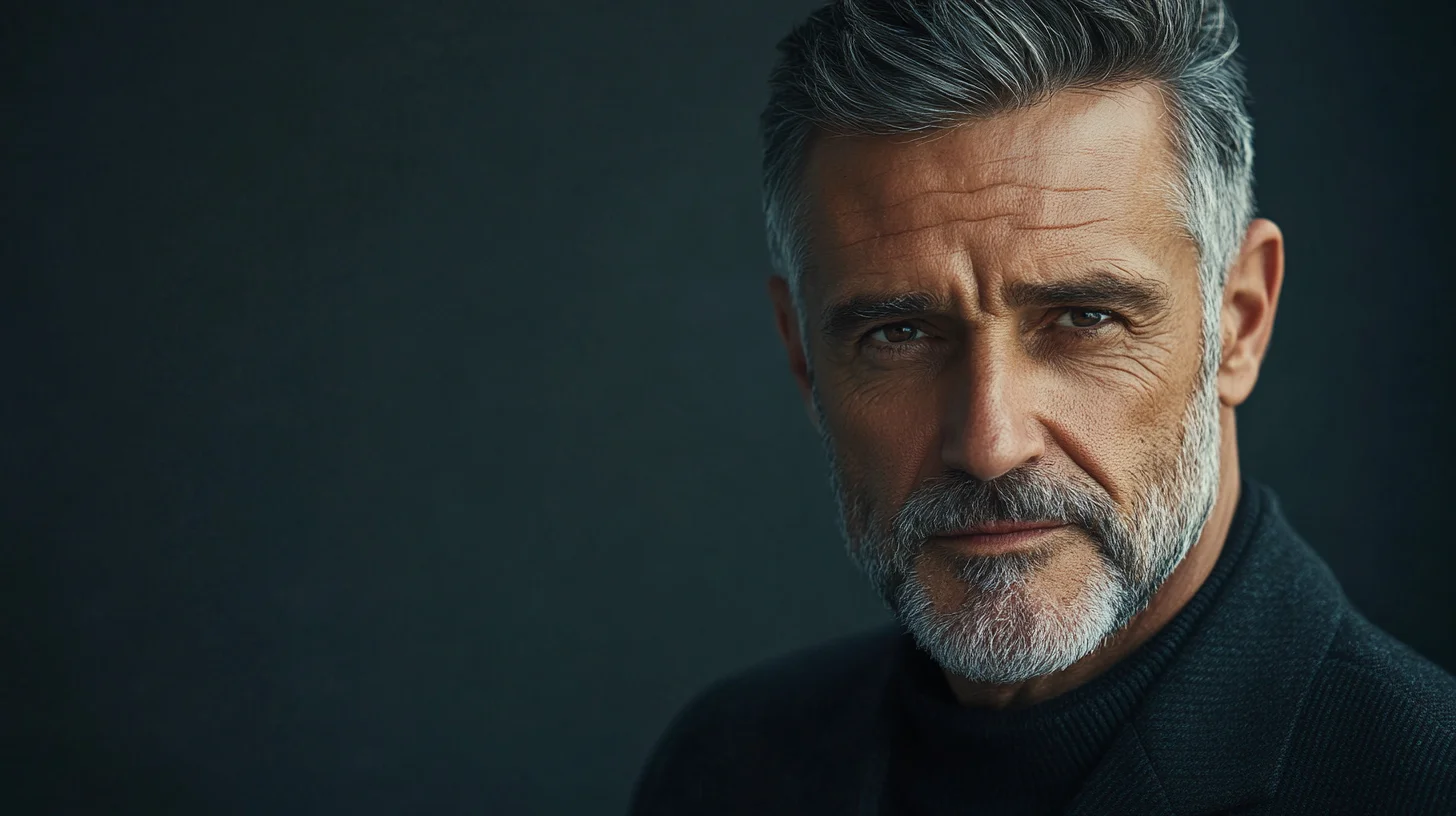
Actor Headshots
Headshots for Older Actors: How to Look Your Best at Any Age
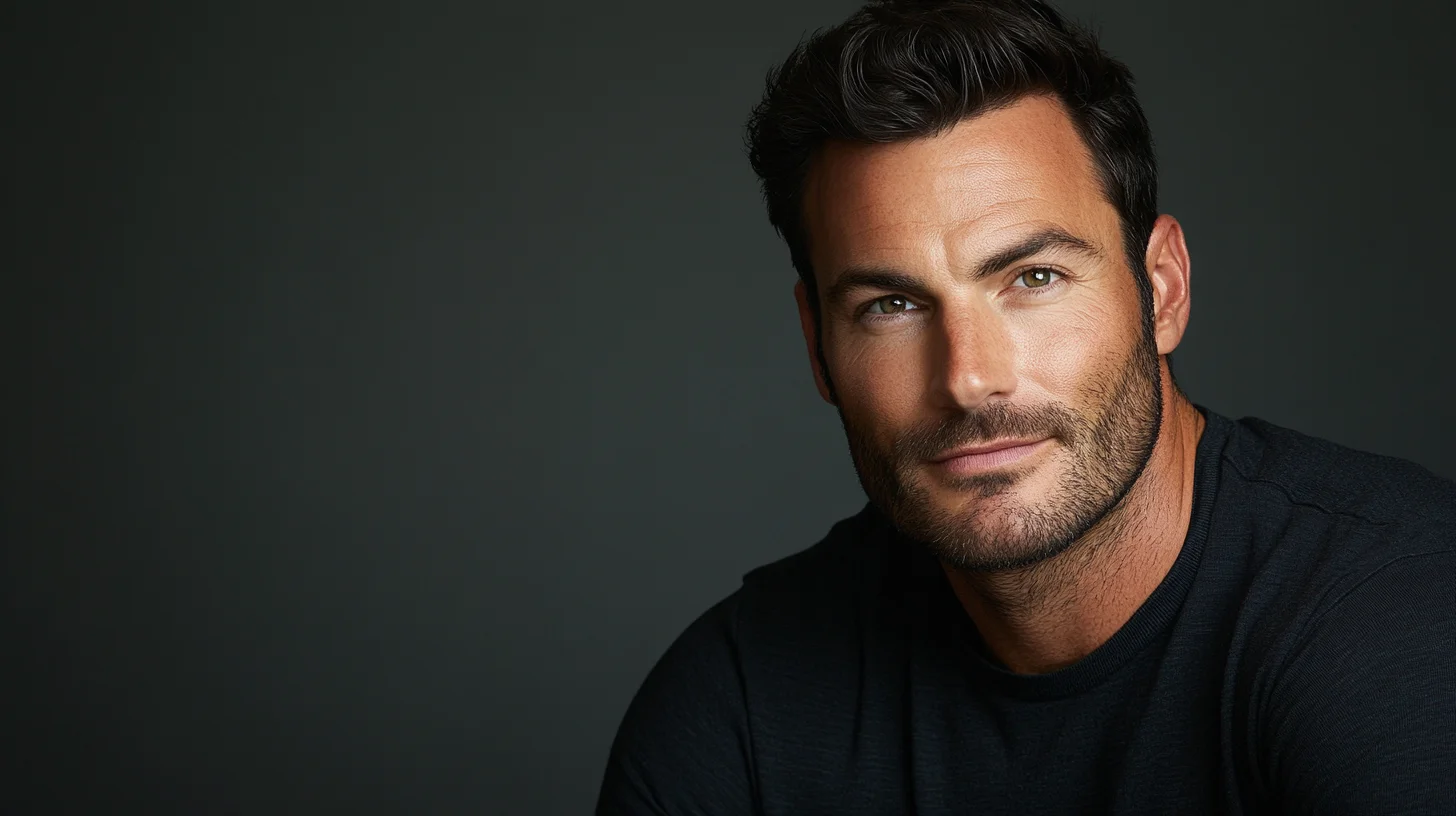
Actor Headshots
How Many Headshots Do Actors Really Need — and Why It Matters
Actor Headshots
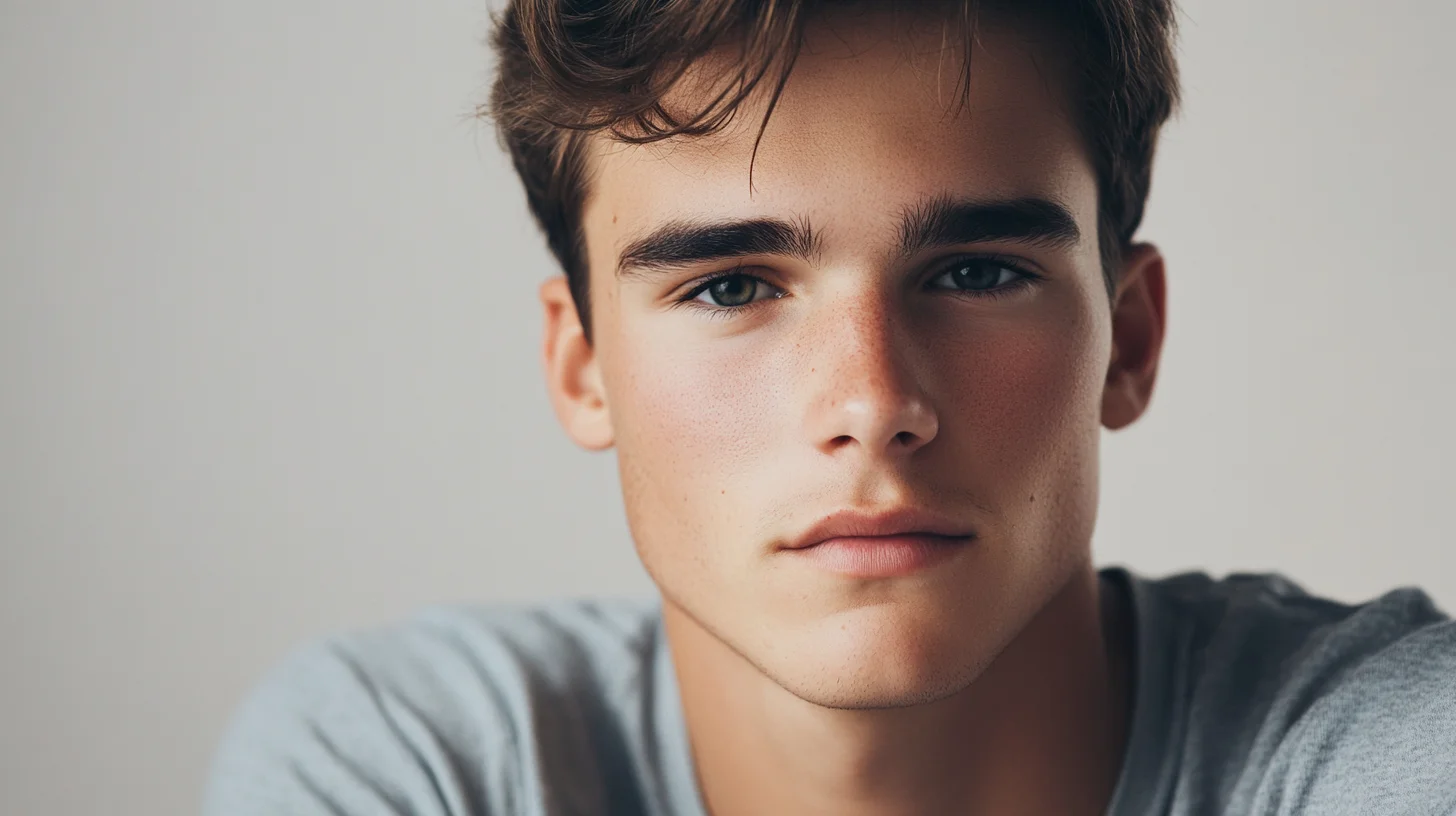
Actor Headshots for Beginners: What to Expect
Actor Headshots
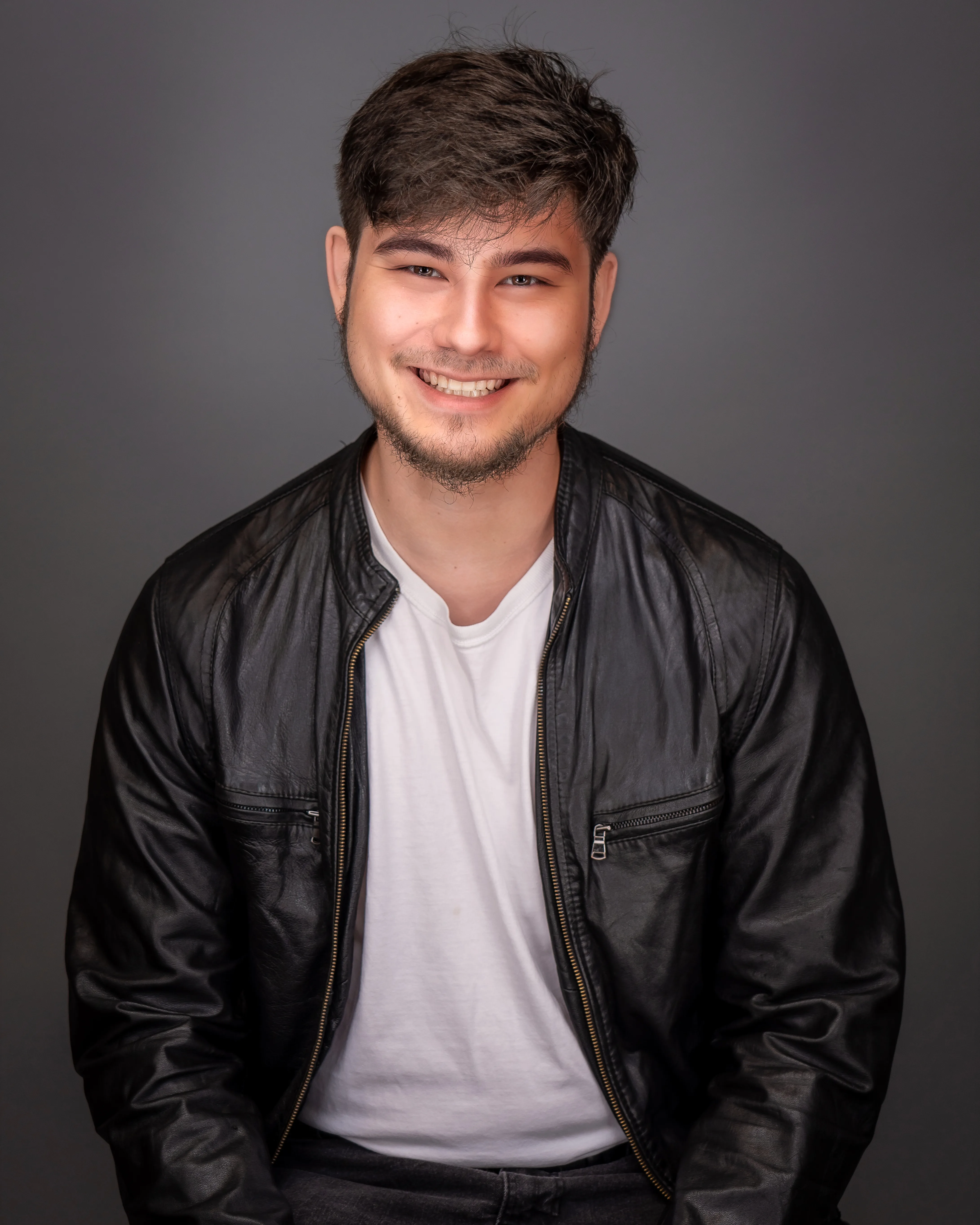
Child Actor Headshots in Boston — A Parent's Guide
Actor Headshots
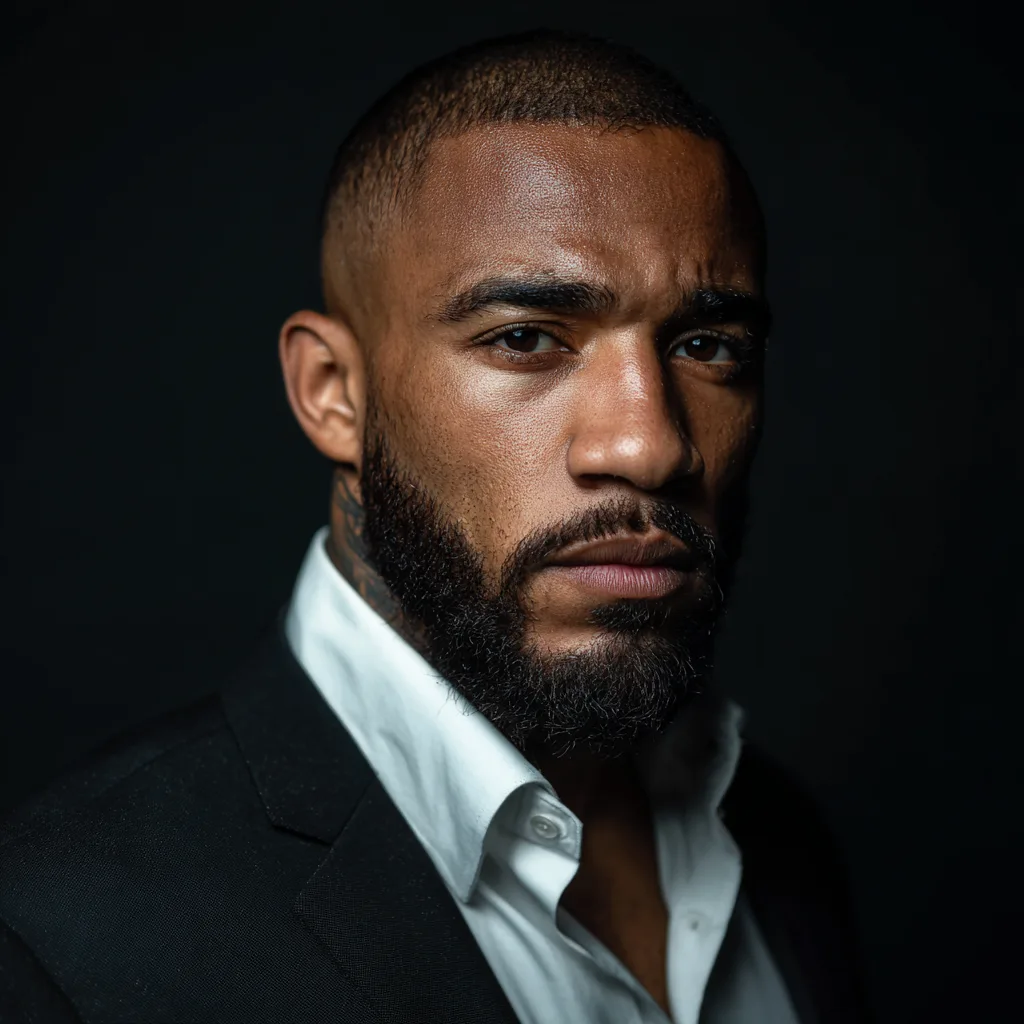
Best Actor Headshot Photographers on the South Shore

Actor Headshots
Actress Headshots Boston — Studio Portraits for Female Actors
You Might Also Like
About the Author
Chris McCarthy
Chris McCarthy has run Photography Shark Studios in Rockland, MA for over 10 years and 500+ sessions, with executive headshot work for Rockland Trust, Clean Harbors, M&T Bank, and McCarthy Planning; founder portraits for AI startups including Lowtouch.ai; product photography for South Shore brands like Lauren's Swim; and headshots across South Shore legal, medical, financial, and academic practices. Every session is personally shot and edited by Chris on Sony mirrorless and Godox strobe systems — no assistants, no outsourcing, no batch retouching. Galleries deliver in 3–5 business days. More about the photographer →
Photography Shark · Boston & South Shore MA
Ready to Book a Session?
Professional headshots, senior portraits, boudoir, and model portfolios. Studio in Rockland, MA — 25 miles south of Boston. Sessions from $395.