Photography Tips
20 Creative Portrait Ideas From a Pro Photographer
Twenty portrait techniques from Chris McCarthy's South Shore work — environmental, silhouette, low-key, motion blur, and more — with notes from real sessions.
Chris McCarthy
Professional Photographer, Photography Shark · July 2, 2024 · Updated May 24, 2026
These twenty techniques are drawn from real sessions at Photography Shark — studio headshots at 83 E Water Street in Rockland, outdoor senior portraits across the South Shore, personal branding sessions, and boudoir work. Each one produces a visibly different result and is applicable to a range of subjects and contexts. Not every technique works for every session, but understanding what is available helps clients make informed choices during the pre-session consultation.
In my experience working with clients across Boston and the South Shore, the biggest gains come from the simplest adjustments.
1. Environmental portrait
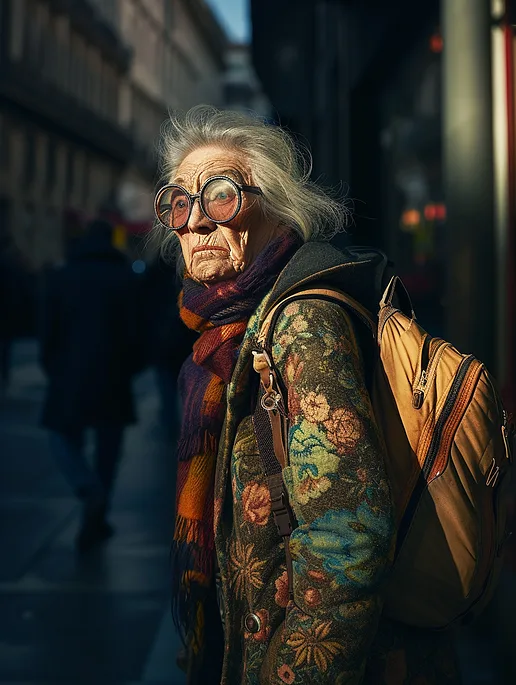
Place the subject in a meaningful setting — their office, their studio, their favorite South Shore beach — and compose wide enough to include the environment as a narrative element. The background tells part of the story that the face alone cannot. Best lens: 35mm.
2. Golden-hour backlight
Position the subject between the camera and the setting sun. The low-angle light creates a warm rim around the subject's hair and shoulders while the face is lit by reflected fill or a subtle strobe. This is the signature South Shore look — warm, atmospheric, dimensional. Best time: 30 minutes before sunset.
3. Low-key studio
Strip the lighting down to a single hard source (gridded beauty dish or bare strobe) against a dark backdrop. The subject emerges from shadow. The mood is dramatic, intense, and editorial. Used frequently for actor and character-driven headshots at the Rockland studio.
4. High-key studio
The opposite: bright, clean, airy. Two or more large softboxes flood the subject with even light, and the backdrop is white or light grey. The mood is approachable and commercial. This is the default for LinkedIn headshots and corporate directories.
5. Silhouette
Subject positioned against a bright background (sunset, lit window, white wall with backlight) with no front fill. The viewer sees only the outline — posture, profile, gesture — with no facial detail. Silhouettes are inherently graphic and work best when the subject's body language carries the message.
6. Reflection portrait
Use water, glass, or mirrored surfaces to double the composition. Duxbury Bay at low tide, Cohasset Harbor at high tide, and the plate-glass facades of Hingham Shipyard all provide natural reflective surfaces. The reflection adds visual complexity and a contemplative quality.
7. Motion blur
Use a slow shutter speed (1/15s to 1/4s) while the subject moves — walking, turning, tossing hair. The blur communicates energy and spontaneity that a frozen frame cannot. Technically demanding: requires the photographer to pan with the subject or use a tripod for background stability while the subject moves through the frame.
8. Through-frame
Shoot through a foreground element — branches, a doorframe, a fence, a window frame — so the subject is partially obscured. The frame creates depth and draws the viewer's eye to the subject. World's End in Hingham has stone walls and tree-lined paths that provide natural framing at every turn.
9. Double exposure
Overlay two images in-camera or in post-processing: typically a tight portrait with a landscape or texture. The result is surreal and graphic. Used sparingly — it works for creative personal projects and editorial submissions but is not standard for commercial headshots.
10. Rembrandt lighting
The classic triangle of light on the shadow side of the face. Communicates authority and depth. The most painterly of the studio lighting patterns. Detailed coverage in the Rembrandt lighting guide.
11. Color gel portrait
Add a colored gel (blue, amber, magenta) to one of the studio strobes. The colored light creates a tonal mood that neutral white light cannot achieve. The Rockland studio keeps a full gel kit for creative and editorial sessions.
12. Candid in-motion
Capture the subject during a genuine activity — laughing at something the photographer said, adjusting their hair, looking at their phone. The expression is unguarded and natural. These frames often become the client's favorites because they capture the person as they actually are, not as they think they should look.
13. Tight crop
Frame only the eyes and bridge of the nose — or the mouth and chin. The extreme crop forces the viewer to focus on a specific feature and produces a graphic, intimate quality. Works best on subjects with strong individual features (distinctive eyes, defined jawline).
14. Wide negative space
Compose the subject small within the frame, surrounded by open sky, water, or architecture. The negative space communicates isolation, contemplation, or freedom depending on the context. Duxbury Beach and the Rockland mill corridor both provide the open geometry this technique requires.
15. Black and white
Strip the color to focus attention on form, texture, contrast, and expression. Black and white is not just a filter — it requires different exposure decisions (prioritizing luminance contrast over color contrast) and different retouching (skin texture reads more prominently without color to distract). The Photography Shark editing workflow includes a dedicated B&W treatment for images that benefit from it.
16. Lens flare
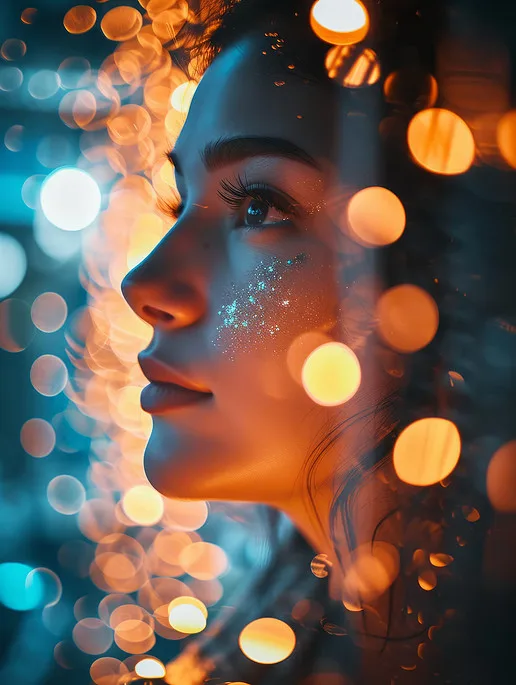
Allow the sun or a studio light to partially enter the lens from the side or behind the subject. The resulting flare — soft orbs, streaks, or haze — adds a warm, organic quality that processed digital images often lack. Intentional flare is a tool; accidental flare is a mistake. The difference is positioning.
17. Overhead or bird's-eye
Photograph the subject from directly above while they lie on the ground, a blanket, or a studio floor. The perspective is unusual enough to be immediately attention-catching. Works particularly well for boudoir and personal branding sessions where the subject's body is arranged as a compositional element.
18. Window light
Natural light from a large window produces soft, directional illumination similar to a large studio softbox — but with a quality that feels more organic. Window-light portraits read as intimate and candid. The Rockland studio has north-facing windows that provide consistent, soft indirect light throughout the day.
19. Props and wardrobe as character
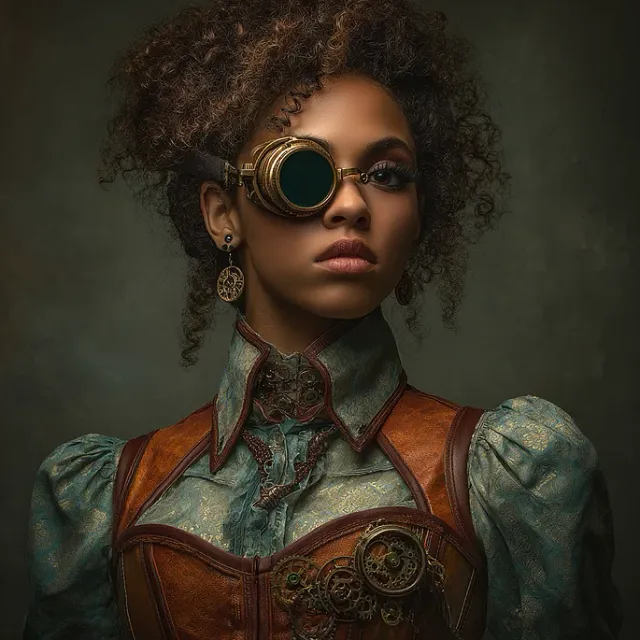
Introduce a meaningful prop — a musical instrument, a book, a tool, a piece of athletic equipment — and build the portrait around the subject's relationship with it. The prop becomes a character detail that tells the viewer something specific about who this person is.
20. Seasonal context
Photograph the subject within a specific seasonal moment — cherry blossoms at the Boston Public Garden in April, peak foliage at Norris Reservation in October, first snow on the Rockland Town Common in December. The season becomes part of the story, anchoring the image to a specific time that gives it permanence.
How to choose
During the pre-session consultation at Photography Shark, Chris discusses which techniques match the client's goals, comfort level, and intended use. Most sessions incorporate three to five of these approaches across the session arc. The full range is available at the Rockland studio and South Shore outdoor locations.
Sessions start at $395 for studio headshots. Contact Photography Shark at 83 E Water Street, Rockland MA or call (781) 312-8824.
Frequently Asked Questions
How does Photography Shark incorporate creative portrait techniques into client sessions?
Chris McCarthy draws from this catalog of techniques — environmental framing, golden hour silhouettes, low-key lighting, motion blur, and others — and applies them based on each client's personality and goals. No two sessions follow the same formula.
Can I request a specific portrait style or technique for my session?
Absolutely. Bring reference images or describe the look you want during the pre-session consultation. Chris will match the right techniques to your concept and adjust lighting, location, and posing accordingly.
Where is the Photography Shark studio?
83 E Water Street, Rockland, MA 02370 — serving clients from Hingham, Scituate, Norwell, Duxbury, Quincy, and throughout the South Shore and greater Boston area.
What types of portrait sessions are available and what do they cost?
Headshots from $395, senior portraits from $495, family photos from $395. Studio and outdoor creative portrait sessions are available — contact Chris McCarthy to discuss the right option for your project.
Are these techniques used for both studio and outdoor sessions?
Yes. Many of the 20 ideas in this post work in both environments — environmental portraiture at Scituate Harbor, silhouettes at Duxbury Beach, or dramatic low-key lighting in the Rockland studio. The approach depends on what the session calls for.
How long after the session until I receive my portraits?
Gallery turnaround is 3–5 business days for headshots and studio sessions, 7–10 business days for outdoor and family sessions.
Related Posts

You Might Also Like
About the Author
Chris McCarthy
Chris McCarthy has run Photography Shark Studios in Rockland, MA for over 10 years and 500+ sessions, with executive headshot work for Rockland Trust, Clean Harbors, M&T Bank, and McCarthy Planning; founder portraits for AI startups including Lowtouch.ai; product photography for South Shore brands like Lauren's Swim; and headshots across South Shore legal, medical, financial, and academic practices. Every session is personally shot and edited by Chris on Sony mirrorless and Godox strobe systems — no assistants, no outsourcing, no batch retouching. Galleries deliver in 3–5 business days. About Chris McCarthy →
Photography Shark · Boston & South Shore MA
Ready to Book a Session?
Professional headshots, senior portraits, boudoir, and model portfolios. Studio in Rockland, MA — 25 miles south of Boston. Sessions from $395.