Headshots
What Is a Headshot? A Complete Definition
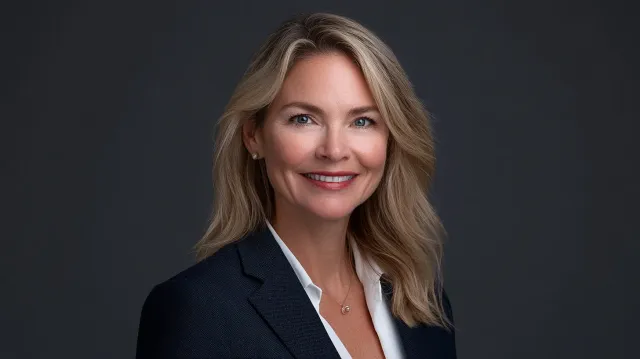
A headshot is a tightly-framed professional photograph of a person from the shoulders up, used for identification and commercial contexts.
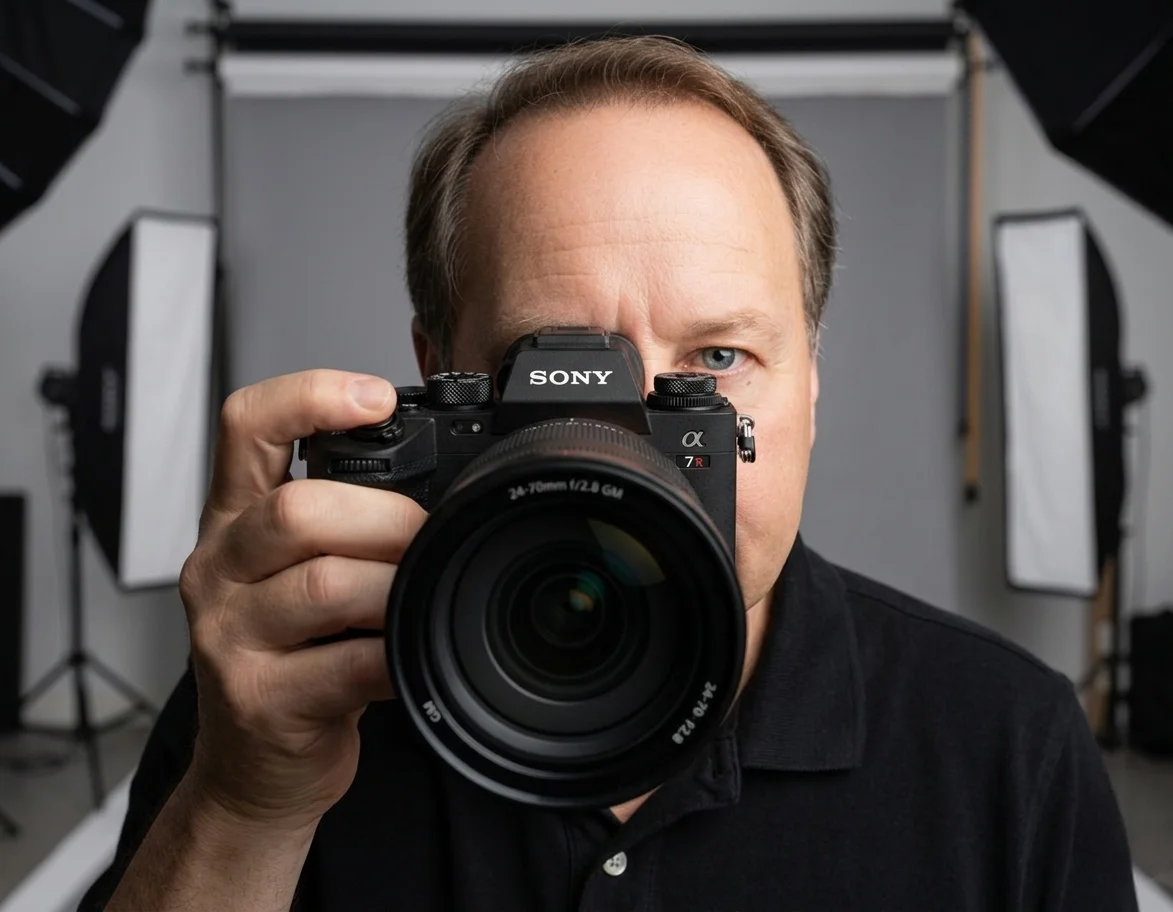
Chris McCarthy
Professional Photographer, Photography Shark · April 18, 2026
A headshot is a tightly-framed professional photograph of a person, captured from the shoulders or chest up, used for identification, professional, or commercial purposes. The defining feature is the close framing on the face — the photograph's purpose is to show clearly what the subject looks like, with enough context (clothing, expression, wardrobe choice) to communicate professional identity. Common use cases include LinkedIn profiles, corporate directories, casting submissions for actors, press kits for authors and speakers, faculty pages at universities, real estate agent profiles, and business card photography. A headshot differs from a portrait (broader framing, more environmental), a selfie (subject-captured, no professional lighting), and a passport photo (purely identification, not commercial). The technical conventions of professional headshot photography — controlled lighting, deliberate framing, calibrated expression — emerged from the mid-20th-century entertainment industry and expanded into broader professional contexts in the late 20th century.
I have photographed headshots for every industry represented on the South Shore, and the preparation questions are remarkably similar.
A Working Definition
If you want a tight, accurate definition: a headshot is a professional photograph framed shoulders-up or chest-up, captured under controlled lighting, intended for use in contexts where the photograph is doing identification or professional-impression work. Each part of that definition does work:
- Professional photograph — captured by a photographer using a real camera, not a smartphone selfie.
- Shoulders-up or chest-up framing — anything broader becomes a portrait. Anything tighter (face only, no shoulders) becomes a beauty shot.
- Controlled lighting — typically studio strobe or carefully-managed natural light. Even, flattering, no harsh shadows.
- Identification or professional-impression work — the photograph is being looked at by someone who hasn't met the subject and is forming a judgment based on it.
This definition excludes adjacent categories. A passport photo is identification but not professional-impression work. A casual portrait at a family event is captured by a person but not for a professional context. A glamour shot might use professional lighting but is intended as an artistic image, not an identification tool.
Where the Term Comes From
The word "headshot" originated in the entertainment industry in the mid-20th century. Actors submitted 8×10 black-and-white photographs to casting offices — initially called "casting photos," "audition photos," or simply "8×10s." By the 1960s, "headshot" had become the dominant term within the industry, referring specifically to the close-framed photograph of the actor's head and shoulders that accompanied a résumé.
The term expanded outside entertainment over the following decades. Corporate directories adopted similar photographic conventions in the 1970s–80s. Business cards with photographs became more common in real estate and certain sales industries in the 1980s–90s. The internet era — particularly the rise of LinkedIn after 2003 — made professional headshots a near-universal need for white-collar professionals. By 2020, "headshot" was the dominant term across all professional contexts, not just acting.
Modern usage is broad: any tightly-framed professional photograph for professional or commercial use is a headshot, regardless of whether the subject is an actor.
Common Use Cases
The major contexts where professional headshots are used:
- LinkedIn profile photo — by far the most common modern use case
- Corporate directory — internal company directories, partner pages on firm websites
- Casting platforms — Actors Access, Casting Networks, Backstage, agency portals (see actor headshots Boston)
- Press kits — author photos for book jackets and media outreach (see author headshots Boston)
- Speaker programs — conference brochures, speaker bureau pages (see speaker headshots Boston)
- Real estate marketing — yard signs, MLS profiles, brokerage websites (see real estate agent headshots)
- Faculty pages — university directories, departmental websites (see professor headshots Boston)
- Healthcare provider profiles — practice websites, Zocdoc, hospital directories (see medical headshots Boston)
- Legal directories — Martindale-Hubbell, firm websites, Avvo (see lawyer headshots Boston)
- Press release headshots — included with company news for media use
- Email signatures — increasingly common in client-facing roles
How a Headshot Differs From Other Photo Categories
| Category | Framing | Setting | Purpose | Captured by |
|---|---|---|---|---|
| Headshot | Shoulders/chest up | Studio (usually) | Professional identification | Photographer |
| Portrait | Waist up to full body | Studio or environment | Storytelling, brand, art | Photographer |
| Environmental portrait | Waist up + visible setting | On-location, contextual | Show subject in their context | Photographer |
| Selfie | Variable, often distorted | Anywhere | Casual, personal | The subject |
| Passport photo | Head/shoulders | Studio (controlled) | Government identification only | Photographer or kiosk |
| Glamour photo | Head to chest | Studio | Aesthetic showcase | Photographer |
| Editorial fashion | Variable | Studio or location | Publication, brand | Photographer |
These categories can overlap visually but are distinct in intent and convention. A photographer experienced in one is not automatically experienced in another — the lighting, posing, and emotional pacing differ.
What Makes a Professional Headshot "Professional"
The technical signals that distinguish a professional headshot from an amateur one:
Controlled lighting. Even, flattering, no harsh shadows under the eyes (a giveaway of single overhead lighting). Either studio strobe or carefully-managed natural light from a large soft source.
Deliberate framing. Eyes positioned roughly one-third from the top. Crop at mid-chest or shoulder. Subject angled (not square-on to camera).
Sharp focus on the eyes. The eyes are the keeper detail. Background can be slightly soft; eyes never should be — though which background shade you choose changes how the whole frame reads.
Glasses handled deliberately. Reflections and heavy frames are the most common technical problem in a headshot; shooting headshots with glasses covers how glare gets controlled on set rather than in retouching.
Calibrated expression. Not the over-rehearsed grin of a school portrait. Not the stiff non-expression of a passport photo. A controlled, slightly engaged look directed at the camera.
Industry-appropriate background. See professional headshot backgrounds for the per-industry calibration.
Professional retouching. Skin retouched conservatively — blemishes addressed, but pores and texture preserved. Over-retouched skin reads as "AI photo" and damages trust.
Wardrobe matching context. See headshot wardrobe guide.
The combination produces a photograph that looks professional without looking templated.
How Headshots Have Changed Recently
Three shifts worth knowing about in 2026:
LinkedIn thumbnail compression. LinkedIn's circular profile crop and thumbnail display has made tighter framing and higher contrast more important than they were in the platform's first decade. Many headshots that worked in 2015 now read as too loose at LinkedIn's current display size. This is particularly true for senior professionals whose photos appear alongside board bios and press releases — Boston executive headshot sessions are calibrated specifically for these high-visibility contexts.
AI-generated alternatives. AI headshot tools like Aragon and HeadshotPro emerged in 2023--2024. They produce passable thumbnails but typically fail in any context that requires photographer attribution (acting submissions, certain corporate directories) and are increasingly recognizable. The market position of professional headshots has stabilized at "AI headshots are a different product, not a substitute." The complete AI headshot generator comparison for 2026 reviews every major tool, pricing tiers, and the specific tells that still give AI images away.
Multi-format requirements. Modern headshot use cases need multiple deliverables — square for LinkedIn, vertical for press, landscape for conference programs, with different aspect ratios optimized for each. A single 8×10 is no longer sufficient for many professional contexts.
How a Headshot Session Actually Works
A typical professional headshot session:
- Pre-session consultation. Wardrobe planning, expression calibration, use-case discussion. Usually a 10–15 minute call.
- Arrival and brief check-in. ~5 minutes at studio.
- First wardrobe. Lighting setup specific to the chosen background. 10–15 minutes of shooting per wardrobe.
- Second wardrobe (if applicable). Lighting often re-set for the new wardrobe color.
- Same-day preview. Many studios show 5–10 frames on screen before the session ends so the client knows what landed.
- Retouched gallery delivery. 3–5 business days for headshots; faster for rush sessions.
Total session length is typically 30–60 minutes for individual headshots, longer for actor or executive sessions with multiple looks. See headshot cost Boston for what each tier of pricing actually includes.
Headshot vs. Selfie: The Practical Difference
The most common alternative to a professional headshot is a selfie cropped from another source. The practical differences:
| Factor | Professional headshot | Selfie/cropped photo |
|---|---|---|
| Lens compression | 85mm or longer (flattering proportions) | 28mm phone wide angle (distortion) |
| Lighting | Controlled, even, key + fill | Variable, often single source from above |
| Focus | Sharp on eyes specifically | Often soft or focused on wrong feature |
| Retouching | Professional, conservative | None or filter-heavy |
| Framing | Deliberate, off-center, eye-line correct | Often centered, eye-line off |
| Wardrobe context | Considered, calibrated | Whatever subject was wearing |
| Result | Reads as professional | Reads as casual |
In practice, selfies fail in any context where the photograph is being judged professionally. LinkedIn algorithms slightly favor higher-quality images. Corporate directories with mismatched-quality photos look unprofessional in aggregate. Casting directors reject submissions with selfie-quality images.
Ready for Your Session?
Get in touch to schedule a session. Photography Shark is in Rockland, MA — 25 minutes south of Boston via Route 3. Sessions start at $395 with 10 fully retouched images and full commercial use included.
Related reading: Professional headshot examples · Tips for professional headshots · DIY headshots vs professional · How to choose a Boston headshot photographer
Frequently Asked Questions
What is the meaning of a headshot?
A headshot is a tightly-framed professional photograph of a person, typically captured from the shoulders or chest up, used for identification, professional, or commercial purposes. Common use cases include LinkedIn profiles, corporate directories, casting submissions, acting portfolios, press kits, business cards, faculty pages, and speaker programs. The defining feature is the close framing on the face — anything broader is a portrait, not a headshot.
What is the difference between a headshot and a portrait?
A headshot is tightly framed (chest up or shoulders up) and built for identification or professional use. A portrait is broader in framing (waist up or full body), often more environmental or editorial, and built for storytelling. The same photographer often shoots both, but the lighting, framing, and direction are different. A LinkedIn photograph is a headshot. An author photograph at their writing desk is an environmental portrait.
What is the difference between a headshot and a selfie?
A headshot is captured by a photographer using professional lighting and a camera. A selfie is captured by the subject using a phone, often held above eye level or at arm's length. The technical differences (lens compression, controlled lighting, retouching) produce visibly different results. Selfies fail in most professional contexts that explicitly require professional headshots — actor casting platforms, corporate directories, speaker bureaus, and most LinkedIn-optimization research recommends against them.
How long has the term "headshot" existed?
The term "headshot" originated in the entertainment industry in the mid-20th century, originally referring to the 8x10 black-and-white photographs actors submitted to casting offices. The term expanded into corporate and professional contexts in the late 20th century as business directories and corporate communications adopted similar photographic conventions. The modern usage covers any tightly-framed professional photograph regardless of industry.
Do I need a professional headshot?
You need a professional headshot if you have a public-facing professional role and your photograph is being seen by people you haven't met. Common use cases: LinkedIn profile, company website team page, casting submissions, speaker programs, professional directories, press kits, faculty pages. The threshold is whether the photograph is doing professional work — representing you to people who form judgments based on it.
Related Posts
You Might Also Like
About the Author
Chris McCarthy
Chris McCarthy has run Photography Shark Studios in Rockland, MA for over 10 years and 500+ sessions, with executive headshot work for Rockland Trust, Clean Harbors, M&T Bank, and McCarthy Planning; founder portraits for AI startups including Lowtouch.ai; product photography for South Shore brands like Lauren's Swim; and headshots across South Shore legal, medical, financial, and academic practices. Every session is personally shot and edited by Chris on Sony mirrorless and Godox strobe systems — no assistants, no outsourcing, no batch retouching. Galleries deliver in 3–5 business days. About Chris McCarthy →
Photography Shark · Boston & South Shore MA
Ready to Book a Session?
Professional headshots, senior portraits, boudoir, and model portfolios. Studio in Rockland, MA — 25 miles south of Boston. Sessions from $395.