Headshots
Do You Need Professional Makeup for a Headshot?
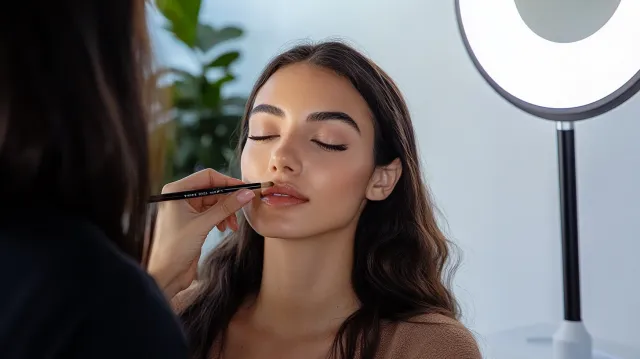
Professional makeup changes headshot images more than most clients realize, but it's not universal.
Chris McCarthy
Professional Photographer, Photography Shark · March 4, 2026 · Updated June 11, 2026
Professional makeup makes a measurable difference in headshot images — usually more than clients expect. But it's not universal, it's not always worth the cost, and doing your own makeup well can produce excellent results. Here's an honest take from Chris McCarthy at Photography Shark on when professional makeup is worth booking and when it isn't, for headshot sessions in the Boston area.
I have photographed headshots for every industry represented on the South Shore, and the preparation questions are remarkably similar.
What Professional Makeup Actually Does in a Headshot
Studio lighting is unforgiving. Camera sensors pick up detail that the eye skips over in normal conversation — uneven skin tone, shine, under-eye shadow, redness. Makeup's job in headshot photography is to create a consistent surface so the face reads clearly without the viewer getting distracted by noise.
Professional makeup artists who work with photographers understand this in a way that most personal makeup application doesn't. They apply for the camera, not the mirror. The result looks slightly more than natural in person — sometimes a little heavier than a client would normally wear — but reads perfectly natural in the final image.
The difference between professional makeup and good self-applied makeup usually shows up in three areas:
Skin uniformity. Pro makeup creates a smoother base than most self-application. Under retouching, less smoothing is required, which keeps skin looking like skin rather than plastic.
Eye definition. Pro artists know how to bring out eyes under different lighting setups. Self-applied eye makeup often looks correct in a bathroom mirror but disappears under studio lights.
Longevity. A session runs 30–90 minutes. Pro makeup lasts through the session; self-applied makeup often needs retouching midway.
When Professional Makeup Is Worth It
Professional makeup makes the biggest difference in a few specific contexts:
Actor headshots. Actors are being evaluated on appearance and character, and images need to hold up at tiny preview sizes on casting sites. The difference between amateur and pro makeup is visible at thumbnail size.
Executive and personal-brand headshots at high price points. If the session is a significant investment and the images will represent you at the CEO or founder level, optimizing every variable — including makeup — is reasonable.
Clients who are normally uncomfortable with makeup. Paradoxically, people who don't wear makeup often benefit most from professional application. A good pro artist applies in a way that doesn't feel or look "made up" but still photographs substantially better than bare skin under studio strobes.
Special occasion or milestone sessions. Anniversary, promotion, book launch, new job announcement — anything tied to a specific event justifies the extra investment.
When It's Probably Not Worth It
Professional makeup is usually not worth booking for:
Quick LinkedIn refreshes. If the session is a 30-minute update because your current photo is outdated and you're not trying to level up dramatically, self-applied makeup is typically fine.
Clients who do their own makeup daily and are comfortable with it. If you're already skilled at makeup application, the marginal improvement from a professional is smaller than it would be for someone who rarely wears makeup.
Tight budgets. Professional makeup for a headshot session typically runs $100–$200 through an independent artist. If the session itself is $395 and the makeup is another $200, you're effectively paying 50% more — and that money might be better spent on wardrobe, retouching upgrades, or a second session with a different look.
How to Do Your Own Makeup for a Headshot
If you're going the self-applied route, a few rules that make a real difference:
Apply slightly heavier than normal workday makeup. Studio lighting flattens and washes out, so light makeup often disappears in images. Not theatrical — just one step heavier than your daily application.
Matte, matte, matte. Avoid anything shimmery, frosty, or glittery. These catch studio strobes unpredictably and can produce hot spots that are difficult to retouch. Matte eyeshadow, matte lipstick, matte blush.
Powder the T-zone. Forehead, nose, and chin shine under studio lighting. Powder these areas immediately before the session and bring powder for touch-ups.
Skip the shimmer bronzer and aggressive contour. Contour that looks subtle in a mirror can look striped on camera. If you contour, apply lightly and blend extensively.
Check lipstick neutrality. Very warm reds can read as clownish on camera. Very cool pinks can flatten. Mid-range nudes and soft pinks are the safest choices if you're not confident.
Under-eye concealer. Even if you don't normally use it, apply concealer under the eyes for a headshot. Under-eye shadow reads much darker on camera than in person. For a full preparation walkthrough, see how to prepare for your headshot session and the morning-of checklist.
How to Do Makeup for a Headshot, Step by Step
If you want a repeatable routine rather than a list of rules, here's the order I see professional artists use on set — and the order that works at home when you're applying your own. Each step is built for the camera, not for across-the-room conversation.
1. Prep and prime the skin. Clean, moisturized skin is the foundation of everything that follows. Twenty minutes before foundation, apply a light moisturizer (or a hyaluronic serum for drier skin) and let it absorb so the base doesn't sit in patches. A mattifying primer on the T-zone helps the rest of the look survive a 30–90 minute session under warm lights.
2. Match your base to studio light, not bathroom light. This is where most self-applied makeup goes wrong. Foundation that looks perfect under your bathroom's warm bulbs can read too dark, too orange, or too pink under neutral studio strobes. Match your shade in daylight (stand by a window) and choose a low-shine, medium-coverage, long-wear formula. Build coverage in thin layers rather than one thick pass — thick foundation looks like a mask on camera and forces heavier retouching. Carry the color down into the neck so there's no jawline color line; a foundation that stops at the chin is one of the most common giveaways in amateur headshots.
3. Avoid SPF flashback. Many tinted moisturizers, primers, and "everyday" foundations contain high levels of titanium dioxide or zinc oxide for sun protection. Those ingredients reflect a flash and can leave your face looking ghostly white or grey in the final image — a problem called flashback that you won't see until you review the shots. For a session under strobes, skip heavy-SPF face products on shoot day. Apply your sun protection the day before if you want, but keep the on-camera layer SPF-free.
4. Conceal strategically. Apply concealer one shade lighter than your foundation under the eyes and on any redness (around the nose, on blemishes), blending with a damp sponge. Under-eye shadow photographs much darker than it looks in the mirror, so even people who never use concealer should here.
5. Control shine with powder. Set the T-zone — forehead, nose, chin — with a finely-milled translucent powder. Shine is the enemy under strobes: oily highlights on the forehead and nose turn into blown-out hot spots that are hard to fix. Powder lightly, only where you actually get shiny, and bring the powder with you for touch-ups between setups. On dry or mature skin, powder only the shiniest zones — all-over powder accentuates texture.
6. Define the eyes and brows. Eyes are what a viewer locks onto in a headshot, so they should read clearly without looking "done." Use matte neutral shadow to add subtle depth, a thin line close to the lash line, and a non-clumping mascara for definition. Fill and shape brows with a pencil or tinted gel one shade lighter than the natural brow — well-groomed brows frame the face and do more for structure than almost anything else.
7. Add subtle color. A matte mid-tone blush placed on the apples of the cheeks restores the color that strobes wash out. Keep it neutral — too-warm blush reads as sunburn on camera.
8. Finish with a neutral lip. A satin or soft-matte mid-tone lip — nude, soft pink, mauve, dusty rose — keeps the focus on your eyes and expression. Skip high-gloss (it reads young and catches light) and bone-dry liquid mattes (they flatten the mouth and emphasize lip texture). A lip liner just inside the natural line keeps color from bleeding under camera.
Done in this order, the whole routine takes 20–30 minutes and holds up far better on camera than a quick everyday face. Coordinate the look with your clothes, too — the headshot wardrobe and color guide covers which outfit tones flatter your skin under studio light.
What to Avoid in Headshot Makeup
Knowing what not to do prevents more bad headshots than any product recommendation. The recurring offenders:
- Heavy contour. Sculpting that looks subtle in a handheld mirror photographs as muddy stripes across the cheeks and temples under directional studio light. If you contour at all, use a soft matte shade barely darker than your skin and blend it until it disappears.
- Glitter, shimmer, and frost. Reflective particles in eyeshadow, highlighter, blush, or lip products catch strobe light unpredictably and create sparkly hot spots that retouching can't fully tame. Choose matte or satin finishes across the board.
- Over-bronzing. A heavy bronzer or self-tan that reads as a healthy glow in person photographs as orange or sunburned, especially around the hairline and jaw where it tends to collect. Go lighter than you think.
- Too matte vs. too dewy under strobes. This is a balancing act unique to flash photography. A fully matte, powder-everywhere face looks flat and lifeless and exaggerates texture on mature or dry skin. A heavily dewy, glowy face turns every strobe pop into shine and hot spots. The target is skin that looks like healthy skin — matte where you get oily (T-zone), natural-to-satin everywhere else.
- Statement lips and lashes on the wrong register. Bold red lips and dramatic false lashes are right for a creative or glamour portfolio but read as overdone on a corporate or executive headshot. Match the makeup intensity to the role the photo is for.
Men's Grooming for Headshots
There's no makeup stigma here — this is grooming, and it makes a clear difference. Skin and shine show up just as much on men under studio strobes, and a few minutes of prep separates a polished headshot from a tired-looking one:
- Shine control. The single highest-impact step. Translucent powder on the forehead, nose, and chin kills the greasy highlights that strobes exaggerate. A man who does nothing else should do this. Blotting papers between setups help if you run oily.
- Under-eye concealer. A small amount of concealer under the eyes, matched to skin tone and blended well, removes the shadow that makes you look exhausted. Used correctly it's invisible on camera.
- Brows. Stray or overgrown brows are distracting at headshot crop. A light trim and tidy a few days before — or a quick brush-up with clear brow gel on the day — frames the eyes cleanly. Don't over-pluck; just clean the obvious strays.
- Beard and stubble. Decide your look ahead of time and commit to it. A defined beard line (neck and cheeks) and even length photograph far better than a half-grown in-between. Clean-shaven works too — just shave the morning of to avoid 5 o'clock shadow showing under lights.
- Lips and skin. A swipe of unscented, non-glossy lip balm prevents dry, cracked lips at close crop. A moisturizer the morning of keeps skin from looking flaky.
Most professional makeup artists offer minimal male grooming at a lower rate than full application, and for higher-stakes sessions it's worth the small investment.
DIY vs. Hiring a Makeup Artist
The honest decision tree:
Do your own makeup when you're comfortable with everyday application, the session is a routine LinkedIn refresh, your budget is tight, or you simply want to look like the most polished version of your normal self. If you wear makeup daily and know your face, the gap between your application and a pro's is smaller than the gap is for someone who rarely wears it.
Hire a makeup artist when the stakes are high (actor headshots evaluated at thumbnail size, executive or founder portraits, milestone sessions), when you don't normally wear makeup (paradoxically, non-wearers benefit most because a skilled artist applies for the camera in a way that doesn't feel "made up"), when you have mature skin that needs specific handling, or when you simply want to relax and not manage one more variable on shoot day. A pro applies for the camera rather than the mirror, builds a base that needs less retouching, and — importantly — makes the look last the full session.
In the Boston market, headshot MUAs run roughly $100–$250 depending on experience, travel, and time on site. Weigh that against the session cost and how the images will be used. If you're still deciding whether to invest in the session at all, the DIY-versus-professional headshot breakdown covers the broader cost-benefit.
Skin Type and Skin Tone Considerations
One routine doesn't fit every face. Two variables matter most under studio light:
Skin type.
- Oily skin needs more shine control — a mattifying primer, a long-wear foundation, and diligent powder/blotting on the T-zone between setups.
- Dry or mature skin needs the opposite: hydration first, lighter coverage, and powder used sparingly (only where you actually shine). Over-powdering dry skin emphasizes flaking and fine lines. A hydrating primer and a satin-finish base photograph younger and healthier.
- Combination skin gets the split treatment — mattify the T-zone, leave the cheeks more natural.
Skin tone.
- Foundation matching is the universal rule: match in daylight and carry it into the neck. Mismatched bases are the most visible error regardless of tone.
- Deeper skin tones are especially prone to SPF flashback and to ashy, grey casts from the wrong undertone or too much powder — choose SPF-free, correctly-undertoned products and a translucent (not white-cast) setting powder. A touch of cream or satin product keeps deep skin from looking flat under strobes.
- Fair skin shows redness and under-eye shadow more readily on camera, so colour-correcting concealer and even base coverage pay off.
- Warm vs. cool undertones should guide blush, lip, and eyeshadow choices — a warm-toned face wears warm neutrals best; a cool-toned face wears mauves and soft pinks more naturally. Matching undertone keeps color from reading muddy.
How Studio Strobe Lighting Changes Your Makeup Choices
Almost every makeup rule on this page traces back to one fact: a professional headshot is lit by strobes (powerful, brief flashes), not by the soft, continuous daylight you do your makeup in at home. Strobes change the math in specific ways:
- They reflect off anything shiny. Shimmer, frost, glossy lips, dewy highlighter, and oily skin all bounce the flash back into the lens as hot spots. This is why "matte where you shine" is the governing principle under strobes — and why a look you'd happily wear to dinner (lit by warm, dim restaurant light) can photograph harshly under a flash.
- They expose SPF flashback. The white cast from sunscreen ingredients is invisible in daylight and obvious under a strobe pop. Continuous-light and natural-light shoots are far more forgiving here; strobe shoots are not.
- They flatten and cool the color. A strong flash neutralizes warmth and can wash out natural color, which is why on-camera makeup is applied one step heavier than everyday wear — blush, lip, and brow definition all need to push back against that wash-out. Under soft window light at home (as in a DIY iPhone headshot), you'd dial the same products down.
- They're crisp and detailed. Strobes freeze fine detail, so texture, harsh contour lines, and blending errors show clearly. Everything needs to be blended further than feels necessary in the mirror.
The short version: makeup for a strobe-lit studio headshot is matte-leaning, slightly heavier, SPF-free, and blended hard. Makeup for a natural-light or phone headshot at home can be lighter, a touch dewier, and closer to your everyday face. If you're prepping for a studio session, lean into the strobe rules above.
For Men
Men benefit from minimal makeup in headshots more than most realize. Nothing dramatic — just powder on the forehead, nose, and chin to cut shine, and a touch of under-eye concealer if there's visible shadow. These two steps produce a noticeable difference in image quality without making the result look "made up."
Most professional makeup artists offer minimal male grooming at a lower rate than full application. It's often worth the small investment, especially for higher-stakes sessions.
Specific products that photograph well for corporate/executive headshots
For the corporate, executive, legal, healthcare-leadership audience this post is mostly written for, a handful of products consistently produce reliable on-camera results:
- Foundation: A long-wear, low-shine, medium-coverage formula. Estée Lauder Double Wear, MAC Studio Fix Fluid, Charlotte Tilbury Airbrush Flawless, and Make Up For Ever HD Skin are all reliable. Avoid dewy or "glow" formulas — they catch strobe and pull focus.
- Concealer: A creamy concealer one shade lighter than foundation under the eyes, blended with a damp sponge. NARS Radiant Creamy, Tarte Shape Tape (one shade up from full coverage so it doesn't crease), Charlotte Tilbury Magic Away.
- Powder: A finely-milled translucent setting powder on the T-zone. Laura Mercier Translucent, Make Up For Ever HD Microfinish, Charlotte Tilbury Airbrush Flawless Finish. Skip shimmer or "luminous" powders.
- Blush: Matte powder formula in a neutral mid-tone. NARS Madly, MAC Mocha, Charlotte Tilbury Pillow Talk. Cream blushes can shift unpredictably under strobe.
- Eye: Matte neutral palette (warm or cool depending on coloring). Urban Decay Naked3, Charlotte Tilbury The Sophisticate, NARS Aerin. Skip glitter, frost, or "duochrome" finishes.
- Mascara: A non-clumping, defined-but-natural mascara. Lancôme Hypnôse, Maybelline Lash Sensational, Charlotte Tilbury Pillow Talk Push Up. Skip dramatic-volume mascaras unless the look is specifically more glamour-leaning.
- Brow: Tinted brow gel or a brow pencil one shade lighter than the natural brow. Anastasia Brow Wiz, Glossier Boy Brow.
- Lip: A satin or matte mid-tone — not glossy, not bone-dry. Charlotte Tilbury Pillow Talk, Bobbi Brown Almost Bare, MAC Velvet Teddy. Glossy lips can read as overly youthful for an executive register.
This isn't an exhaustive list, but the brands and formulas above have produced reliable results across hundreds of executive and corporate headshot sessions at Photography Shark.
The executive register — subtle but distinct
A C-suite, partner-track, or board-of-directors headshot has its own makeup register that's slightly different from a standard professional headshot. The differences:
- Slightly less visible. Executive headshots benefit from makeup that registers as "polished" without registering as "made up." Less dramatic eye, less obvious lip color, more attention to the under-eye and forehead than to statement features.
- Foundation coverage matches the rest of the face. Heavy foundation that ends at the jawline creates a visible color line that reads as unprofessional in a partner-bio context. Coverage should fade naturally into the neck.
- Mature skin gets specific treatment. Plumping primers, hyaluronic serum under foundation, and powder applied selectively (not all over) help maintain skin texture without flattening fine lines. Heavy powder over mature skin accentuates rather than diminishes lines.
- Lipstick is conservative. Bold red lip belongs on creative-director or fashion-industry headshots, not on AmLaw 200 partner photos. Soft mid-tones, mauves, and dusty roses are the executive default.
Aging skin and mature professional headshots
For clients in the 50+ range — particularly for executive, healthcare, legal, and academic professional headshots — makeup approach differs from younger sessions:
- Hydration matters more than coverage. Skin that reads well-hydrated photographs younger than skin under heavy foundation. A hyaluronic acid serum 20 minutes before foundation, followed by lighter-coverage formula, produces better results than thick coverage trying to hide texture.
- Less powder, applied selectively. Powder only on the T-zone where shine is actually a problem. Powdering the cheeks accentuates fine lines.
- Highlight is a tool, not a feature. A tiny touch of light-reflecting product on the upper cheekbone (not shimmer — a satin finish) can re-introduce dimension that mature skin can lose. Skip on the brow bone and the nose, where it reads as too-much.
- Lash and brow definition compensates for visual softening. As eyes mature, the surrounding area softens; precise mascara and well-shaped brows restore the visual structure that draws the eye.
- Lip products that don't bleed. A lip liner one shade lighter than the lipstick, applied just inside the lip line, prevents the bleed that mature skin sometimes shows under camera.
Photography Shark recommends professional MUAs experienced with mature skin specifically for clients over 50. The investment ($150–$250 in the Boston market for an experienced senior MUA) pays back in image quality.
Boston-area MUA referrals
Photography Shark works with several Boston/South Shore MUAs who specialize in headshot and corporate work. Specific recommendations depend on:
- Location — some MUAs travel to the Rockland studio, some prefer the client to come to them in Boston or on the South Shore.
- Specialty — actor-headshot MUAs are different from executive-corporate MUAs are different from boudoir MUAs.
- Budget — Boston-market headshot MUA rates run $100–$250 depending on experience, travel, and time on site.
Ask during booking and Photography Shark will provide 2–3 names appropriate to your session, schedule, and budget. Booking the MUA 2–3 weeks in advance is standard; same-week bookings are sometimes possible but limit your options.
Hair: Adjacent But Separate
Hair is usually a bigger variable than makeup for men and for some women. A haircut 4–7 days before the session — not the day of, not two weeks before — hits the sweet spot where the cut has settled but hasn't grown out. Clean, styled hair makes a bigger difference in headshot quality than professional makeup for clients who don't normally wear much makeup.
Booking a Makeup Artist
If you decide to go the pro route, book the artist separately from the session. Photography Shark doesn't bundle makeup into headshot pricing — clients arrange this independently, which keeps session prices accessible. For broader context on why pricing is structured this way across professional headshot providers, see headshot costs explained: what's included vs. what's extra.
Schedule the artist to arrive 60–90 minutes before your session start time. Makeup applied more than two hours before the session starts to fade on camera. The artist should come to you (home, hotel, studio parking lot for a quick touch-up) or meet you at a nearby location. Most Boston-area makeup artists who work with photographers are familiar with this schedule.
Ready to Book Your Session?
Get in touch to schedule your session and we'll discuss makeup and prep during the consultation. Photography Shark is based in Rockland, MA, serving Boston and the full South Shore.
Related reading: How to prepare for your headshot session · Headshot wardrobe guide · Headshot services & pricing
Frequently Asked Questions
Do men need makeup for professional headshots?
Often yes, at least minimally. Powder to cut shine on the forehead, nose, and chin is standard for any headshot under studio lighting regardless of gender. Full makeup is less common for men but under-eye concealer and powder are a realistic baseline for looking polished on camera.
Can I do my own makeup for a headshot session?
Yes, but with two caveats: apply slightly heavier than you would for a normal workday, because studio lighting washes out light makeup, and avoid anything shimmery — it picks up unpredictably under strobes. If you're confident with your makeup, your own application can work well.
Is makeup included in headshot sessions at Photography Shark?
Makeup is included in boudoir sessions. For headshot sessions, makeup is not bundled — clients either do their own or arrange a makeup artist independently. This keeps headshot pricing accessible; adding professional makeup typically costs $100–$200 additional when booked through a third-party artist.
What makeup trends don't photograph well?
Heavy contouring looks striped on camera. Extreme matte lipstick can flatten the mouth. Shimmer and glitter catch strobes unpredictably. Very warm blush can read as sunburned. The general rule: anything that looks dramatic in a mirror will look more dramatic on camera under good lighting.
Should I get my makeup done the day of the session or the day before?
Day of. Makeup settles and fades over time, and you want it applied within an hour or two of the session start. If you're having your hair done the day before, that's fine — hair holds longer than makeup.
Should men wear makeup for a headshot?
Men don't need traditional makeup, but they almost always benefit from two small steps: translucent powder on the forehead, nose, and chin to kill shine under studio strobes, and a touch of under-eye concealer if there's visible shadow. Neither reads as "makeup" on camera — they just remove the distractions that make skin look tired or greasy. Tidy brows and a clean beard line matter more than any product.
What makeup should you avoid for headshots?
Avoid anything shimmery, frosty, or glittery — it catches strobes and creates hot spots that are hard to retouch. Skip heavy contour (it reads as stripes on camera), over-bronzing (it photographs as sunburn), and overly matte powder on mature or dry skin (it accentuates texture and fine lines). Glossy lips and heavy false lashes also tend to overpower a professional headshot. The rule: if it looks dramatic in the mirror, it looks more dramatic on camera.
How do you do makeup for a headshot at home?
Start with a low-shine, medium-coverage foundation matched to your skin in daylight (avoid SPF-heavy products, which can flashback white under strobes). Add under-eye concealer, set the T-zone with translucent powder, define brows and lashes naturally, use a matte mid-tone blush, and finish with a neutral satin lip. Apply one step heavier than a normal workday, keep everything matte, and bring powder for touch-ups between frames.
Related Posts
You Might Also Like
About the Author
Chris McCarthy
Chris McCarthy has run Photography Shark Studios in Rockland, MA for over 10 years and 500+ sessions, with executive headshot work for Rockland Trust, Clean Harbors, M&T Bank, and McCarthy Planning; founder portraits for AI startups including Lowtouch.ai; product photography for South Shore brands like Lauren's Swim; and headshots across South Shore legal, medical, financial, and academic practices. Every session is personally shot and edited by Chris on Sony mirrorless and Godox strobe systems — no assistants, no outsourcing, no batch retouching. Galleries deliver in 3–5 business days. About Photography Shark →
Photography Shark · Boston & South Shore MA
Ready to Book a Session?
Professional headshots, senior portraits, boudoir, and model portfolios. Studio in Rockland, MA — 25 miles south of Boston. Sessions from $395.