![What to Wear for a Professional Headshot: Complete Guide [2026] — Photography Shark](/blog/what-to-wear-for-a-professional-headshot---boston--hero-w640.webp)
Headshots
What to Wear for a Professional Headshot: Complete Guide [2026]
What to wear for headshots — outfit recommendations by industry, colors that photograph well, wardrobe mistakes to avoid, and what to bring to your session.
Chris McCarthy
Professional Photographer, Photography Shark · October 25, 2025 · Updated May 27, 2026
Wardrobe is the single biggest variable a client controls in a Boston headshot session. The lighting, the camera, the studio — those are fixed. What you wear determines whether the headshot reads polished or off-register, on-brand or generic. If you are specifically preparing a photo for a career transition or active job search, the job application photo guide covers industry-specific dress codes, required dimensions, and the contexts where a professional headshot makes the biggest difference in callback rates. After ten years and 500+ headshot sessions at Photography Shark Studios in Rockland, the pattern is clear: solid colors, proper fit, and one industry-appropriate level of formality win every time.
Colors that work, colors that fight you
Solid colors in the navy / charcoal / dark gray / deep teal / burgundy family photograph reliably across every lighting setup and every backdrop. They sit cleanly against the most common studio backdrops (white, light gray, medium gray, charcoal, black) without bleeding or muddying. They flatter every skin tone with the right exposure adjustment. And they don't compete with your face — which is the only thing the viewer is supposed to look at.
The colors that consistently fight you on camera are bright white as a dominant top (it blows out under strobe and pulls the eye away from the face), neon or saturated brights (they cast colored light onto skin), and any busy pattern with thin stripes, small checks, or fine herringbone (they create a moiré shimmer at typical web-display resolution). If you wear a patterned shirt in real life and want it represented, bring it as a second look — but the primary headshot should be solid.
Fit matters more than the price tag
A $200 blazer that fits well will photograph better than a $2,000 blazer that doesn't. The two fit dimensions that show up most on camera are shoulder width (a blazer that's too big creates a slouching silhouette before you've even posed) and collar gap (a shirt collar that floats away from your neck reads as a borrowed wardrobe). Steam or iron the night before. Bring a lint roller — pet hair and lint show with embarrassing clarity on dark fabrics under studio strobes.
If you're between sizes on the day of the session, size down. A slightly tighter blazer photographs as deliberate; a slightly looser one photographs as borrowed.
Industry calibration
Different professions photograph well in different registers, and matching the register matters more than matching some abstract idea of "professional."
- Law, finance, consulting: Suit and tie for men; tailored blazer or shift dress for women. Conservative wins. Boston firms — Goodwin, Ropes & Gray, WilmerHale — set the visual benchmark, and matching that register is the safest path.
- Medical, dental, healthcare: Bring both a white coat and business attire and decide on the day. The white coat reads clinical authority for Doximity, Healthgrades, and hospital directories; the blazer reads approachable for LinkedIn and patient-facing platforms.
- Tech, biotech, startup: Quality top + blazer is the modern default. A Cambridge biotech founder doesn't need a tie; they need a fitted blazer over a quality shirt or top. Avoid hoodies and graphic tees — they don't compress well at thumbnail size.
- Creative, marketing, agency: Personality is permitted. A bold solid color, an interesting texture, a sharper silhouette. The headshot should look like the work.
- Actors: Bring the range of looks you'd submit to casting — commercial, theatrical, character. The wardrobe IS the type signal. See the actor headshot service for the full session structure. For wardrobe cues from working Hollywood headshot photographers, the celebrity headshot techniques guide covers what translates to standard sessions.
What to Wear for Professional Headshots by Industry
The "industry calibration" advice above covers the broad strokes. But I've photographed enough professionals across enough fields to get more specific than "wear a blazer." Here's what actually photographs well in each vertical — and what to avoid — based on hundreds of sessions.
Corporate and finance
The standard headshot outfit for corporate and finance professionals is a dark suit in navy or charcoal with a white or light blue dress shirt. For men, a conservative tie in a solid or subtle pattern; for women, a tailored blazer over a quality blouse or shell. Avoid anything trendy — a classic fit reads as competent and trustworthy at thumbnail size, which is how most people will see your headshot on a company directory or LinkedIn profile. Stick to neutral tones. A burgundy tie or a deep jewel-tone blouse is as far as you should push the color. Gold or silver jewelry should be minimal — one ring, small earrings, a simple watch.
Healthcare
Healthcare professionals have a unique wardrobe decision: white coat or no white coat. For hospital directories, Doximity, and Healthgrades, the white coat signals clinical authority immediately. For LinkedIn and patient-facing platforms, a navy or charcoal blazer over a collared shirt reads more approachable. My recommendation: bring both and shoot both. Clean, pressed scrubs can work for nursing and allied health professionals, but make sure they're wrinkle-free and fit well — baggy scrubs read very differently on camera than in person. Avoid stethoscopes as props unless your organization requires them in the photo.
Legal
Conservative and precise. A dark suit — navy or charcoal, not black unless you're in litigation — with a white or pale blue shirt is the safest headshot wardrobe for attorneys. Restrained tie for men; structured blazer for women. The headshot should look like you belong in a courtroom or a partnership meeting, not like you're going to a cocktail party. Bow ties and pocket squares photograph fine but signal a specific personality that may or may not match your practice area. Check your firm's existing headshot page and match the register — going significantly more or less formal than your colleagues creates a visual mismatch on the team page.
Tech and startup
Smart casual is the headshot standard across most of the tech industry. A fitted blazer over a quality crew-neck or collared shirt — no tie — is the modern default. Solid colors in the navy, slate, and dark teal range photograph cleanly against standard headshot backgrounds. Skip the hoodie and graphic tee for the primary shot; they compress poorly at the small sizes LinkedIn and Slack use. If your brand is deliberately casual, bring the casual option as a second look, but lead with the blazer shot.
Real estate
Real estate agents need headshots that read polished but approachable — you're asking people to trust you with the biggest purchase of their lives. A blazer over a quality top in a warm neutral (navy, soft gray, deep teal) hits the right register. Avoid overdressing into full corporate — a double-breasted suit can create distance with residential clients. Avoid underdressing into casual — a polo shirt doesn't communicate the competence buyers and sellers look for. Bring options at two formality levels and pick the one that matches your market positioning.
Creative and marketing
This is the one vertical where personality in your headshot wardrobe is an asset. A bold solid color, an interesting texture, a sharper silhouette — the headshot should look like the work you produce. That said, even creative headshot outfits follow the same technical rules: solid colors photograph better than patterns, fit matters more than brand, and your face is still the subject. A statement necklace or a structured jacket in an unexpected color adds personality without overwhelming the frame.
Education
Professional but warm. Teachers, professors, and administrators should avoid looking either too corporate or too casual. A blazer over a quality knit or collared shirt in a warm tone — deep blue, soft gray, olive — reads both competent and approachable. For school website headshots, match the formality level of your colleagues rather than going significantly above or below. A cardigan over a button-down can work well for elementary and middle school contexts where warmth matters more than authority.
Colors That Photograph Well in Headshots
Color choice is one of the most common questions I get from clients preparing for a headshot session, so this deserves a dedicated breakdown beyond the summary above.
The reliable headshot color palette
Navy is the single most universally flattering headshot color. It works on every skin tone, against every standard backdrop (white, gray, charcoal, black), and in every professional context. If you're unsure what to wear for headshots, navy is the default answer.
Charcoal and dark gray are close behind — professional, recessive, and backdrop-friendly. Deep teal adds a touch of color without reading as bold. Burgundy and wine tones photograph beautifully and add warmth, particularly against gray backdrops. Forest green and olive work well for warm skin tones and read as grounded and approachable.
Colors to avoid in headshots
Bright white as a dominant top blows out under studio strobes and pulls the eye away from your face. A white shirt under a dark blazer is fine — a white top as the only visible garment is not. Neon and saturated brights cast colored light onto your skin, creating color contamination that's difficult to correct in post-processing. Pastels can wash out lighter skin tones under studio lighting. Black as a full outfit against a dark backdrop creates a floating-head effect; against a white backdrop, the contrast is so extreme it dominates the frame.
How skin tone affects color choice
Warmer skin tones (golden, olive, deep brown) photograph exceptionally well in earth tones, warm blues, and rich jewel tones. Cooler skin tones (pink, fair, porcelain) tend to pair better with true navy, charcoal, and cool-toned jewel colors like emerald and sapphire. This isn't a rigid rule — it's a starting point. Bring two or three options in different tones and we'll see what works best under the actual lighting. The camera doesn't lie, and sometimes a color that looks average in your mirror photographs beautifully under strobes.
Headshot Wardrobe Mistakes to Avoid
I've seen every version of these over 500+ sessions. They're all fixable — but only if you know about them before the shoot, not after.
Busy patterns. Thin stripes, small checks, houndstooth, and fine herringbone create moiré shimmer when displayed at typical web resolution. The headshot might look fine at full size but buzzes and vibrates on a LinkedIn thumbnail or company directory. Solid colors eliminate this entirely.
Visible logos and branding. A small logo on a polo collar is usually fine. A large brand logo across the chest turns your professional headshot into an advertisement for someone else's company. Remove it or cover it with a layer.
Too much jewelry. Jewelry catches studio strobes and creates bright distracting spots in the frame. A simple watch, small earrings, and one ring are usually the upper limit. Statement necklaces can work in creative contexts but should be a deliberate choice, not a default.
Wrinkled or unpressed clothes. Studio lighting reveals every wrinkle, fold, and crease. Steam or iron the night before. Hang your session outfits in a garment bag rather than folding them — particularly blazers, which crease at the shoulder.
Clothes that don't fit. This is the most common mistake and the hardest to fix on the day. A blazer with shoulders that are too wide creates a slouching silhouette. A shirt collar that gaps away from the neck reads as borrowed wardrobe. If you're between sizes, size down — a slightly fitted look photographs as intentional, while a slightly loose look photographs as careless.
Dressing too casual for your industry. A t-shirt and jeans might be your daily uniform, but a headshot is a compressed representation of your professional identity. Dress one notch above your daily reality. If you wear jeans and a polo to work, wear chinos and a blazer for the headshot.
Dressing too formal for your industry. A three-piece suit for a startup founder creates a visual mismatch with the brand you're building. Match the formality level of the people you want to work with, not the people your parents worked with. Check headshot examples across industries for visual benchmarks.
What to Bring to Your Headshot Session
The difference between a good session and a great one often comes down to preparation. Here's the packing list I send every client before their appointment.
Two to three complete outfits. Not "a blazer and a couple of shirts" — full outfits, including every layer, accessory, and shoe you'd wear with each look. Lay each outfit on your bed the night before and photograph it with your phone so you can reference the combinations during the session. Even with careful planning, some outfits that look great in your mirror don't translate to camera. Three options means you always walk out with at least one strong look.
Layers for variety. A blazer, a vest, a cardigan — layering pieces give you multiple looks from a single base outfit. Start with the most formal version (blazer on, collar buttoned), then remove a layer for a more approachable variation. This is especially useful for professionals who need both a corporate headshot and a more casual LinkedIn-style image from the same session.
A lint roller. Pet hair, lint, and fiber dust show with embarrassing clarity on dark fabrics under studio strobes. Run the lint roller over every garment after you put it on, immediately before stepping in front of the camera.
A basic touch-up kit. Blotting papers for shine (studio lights are warm), a comb or small brush, basic hair product if you use it, and a small mirror. Setting spray is worth bringing in humid weather. Static spray prevents wool blazers from clinging in dry winter air.
A garment bag or hangers. Do not fold your session wardrobe into a bag. Hang everything on the drive over. Wrinkles that form in a gym bag during a thirty-minute car ride are visible under studio lighting and add five minutes of steaming before we can start shooting.
Platform-specific URLs or sizing requirements. If you know the headshot will be used for a LinkedIn circle crop, a company directory square, or an executive bio page, bring the specs. I'll frame each shot specifically for those crops, which avoids the awkward re-crop later.
If you're ready to book and want to discuss wardrobe before your session, reach out here — I do a brief consultation call with every client to make sure you show up prepared.
Boston-specific seasonal considerations
Most generic "what to wear" advice ignores climate. Boston headshots happen year-round, and the wardrobe you arrive in matters less than what you photograph in — but the arrival affects the session if you don't plan around it.
- November–March: Boston winter creates a specific wardrobe problem nobody warns clients about: heavy coats produce shoulder indentations that don't release for 20–30 minutes after you take the coat off. The fix is wearing a structured blazer and carrying the heavy coat in a garment bag instead of wearing it over the blazer. Hat hair from wool beanies is the second issue — bring a comb and styling product for a five-minute re-set when you arrive. Static cling on wool blazers in dry winter air is the third — a small bottle of static spray in your bag solves it instantly.
- June–August: Boston summer humidity is the makeup wildcard. Setting spray, blotting papers, and a backup top in case the first one gets dampened during transit are the three small things that matter. Bring the blazer separately on a hanger; do not wear it from your car.
- Spring (April–May) and fall (September–October): The two best wardrobe windows in Boston. Layered options (blazer, vest, knit cardigan over a quality top) photograph well and travel well. Most clients schedule executive and LinkedIn headshots in these windows and get them right with minimum fuss.
Backdrop pairing — the part most clients don't think about
Boston headshot backdrops at Photography Shark Studios run from white through neutral grays into charcoal and pure black. The wardrobe choice and backdrop choice are not independent decisions — they interact, and getting the pairing wrong is the most common cause of a "good but not quite right" headshot.
- White or very light gray backdrop: Wear medium-to-dark tones. A navy blazer pops cleanly. A pale blue shirt without a jacket disappears into the backdrop and the head looks like it's floating. Black tops work but can read funeral-portrait if the lighting isn't carefully shaped.
- Medium gray backdrop: The most forgiving. Almost any solid color works. This is the safe default for most LinkedIn / corporate website headshots and is what most Boston clients end up with.
- Charcoal or black backdrop: Wear medium tones. A black suit on a black backdrop is a floating-head effect; a charcoal blazer with a lighter shirt under it photographs as deliberate. Dark backgrounds skew "executive" — appropriate for partner-level legal, finance, and C-suite work, less appropriate for approachability-driven roles.
- Textured or environmental backdrop (the brick wall at the studio, or the Hingham/Quincy location options used in editorial-style sessions): Solid wardrobe becomes mandatory. The backdrop is doing the visual work; the clothes need to recede.
Industry-specific Boston market notes
A few patterns that come up repeatedly in the Boston / South Shore market that go beyond the generic industry guidance above:
- Biotech in Kendall Square / Cambridge: The unofficial uniform is dark Patagonia or Vuori soft-shell over a quality crew-neck. For headshots, swap the soft-shell for a slim-fit blazer. The crew-neck under it can stay.
- South Shore healthcare (South Shore Health, Beth Israel Plymouth, Atrius): White coat over a collared shirt is the institutional standard. For LinkedIn / personal use, a separate set without the coat in a navy blazer reads more approachable.
- Boston legal partners: The standard is conservative tailored suit, white or light blue shirt, restrained tie. Bow ties, pocket squares, and accent colors photograph fine but signal a specific personality — appropriate for some partner profiles, off-brand for others. Senior associates and counsel can match the same register with slightly less formality (no tie is acceptable for many firms now, but check your specific firm's website to confirm).
- Boston financial services / wealth management: Closer to legal than to tech. Suit and tie remains the visual standard at most established firms; younger boutique RIAs trend more open-collar.
- South Shore municipal and education roles (selectmen, school administration, hospital boards): Slightly less formal than Boston-downtown equivalents. Blazer over a quality top is sufficient for most municipal headshots; a full suit can read overdressed for the community context.
Bring options, not certainty
Even with everything above considered, outfits that look good in your bedroom mirror sometimes don't translate to camera. The fix is simple: bring 2–3 complete outfits, including every accessory and layer. The session has time to try multiple looks and pick the ones that actually photographed strongest. The clients who come with one outfit and zero flexibility are the ones who occasionally leave wishing they'd had a backup. The clients who come with three options always leave with the one they liked best.
If you have specific platforms in mind — LinkedIn circle crop, an acting submission size, a corporate directory — bring those URLs with you. Chris can frame each shot specifically for those crops, which avoids the awkward re-crop later. For visual inspiration organized by industry and use case, browse the headshot examples gallery with technical breakdowns before your session.
Frequently Asked Questions
How much do professional headshots cost at Photography Shark?
Boston headshot sessions at Photography Shark start at $395, which includes the full session at our Rockland, MA studio, selection support, and delivery of fully retouched files.
How many outfits should I bring to my headshot session?
Bring two to three complete outfit options, including all accessories and layers for each look. Bring a lint roller — pet hair and lint show clearly on camera.
What colors photograph best for professional headshots?
Navy, charcoal, dark gray, deep teal, and burgundy are consistently strong choices. Avoid bright white as the dominant color and busy patterns that compete with your face.
Should I wear a suit for my Boston headshot?
It depends on your industry. Corporate and financial services clients generally photograph well in a suit. Tech and creative professionals often do better in a fitted blazer over a quality top. Chris will advise during the consultation.
Where is the Photography Shark studio, and which South Shore towns do you serve?
The studio is at 83 E Water Street in Rockland, MA. We serve professionals throughout the South Shore — Hingham, Scituate, Norwell, Duxbury, Plymouth, Quincy, Braintree, and Weymouth — as well as Boston.
How long does a headshot session take, and when will I get my photos?
A standard single-outfit headshot session runs 45–60 minutes. Retouched final images are delivered within five to seven business days.
What should I wear for headshots if I work in tech?
Skip the suit and tie — a fitted blazer over a quality crew-neck or collared shirt is the modern tech headshot standard. Stick to solid colors like navy, charcoal, or deep teal, and avoid graphic tees or hoodies that don't compress well at thumbnail size.
Can I wear patterns or prints in my headshot?
Solid colors are always the safest choice for professional headshots. Thin stripes, small checks, and fine herringbone create moiré shimmer on screen. If you want a pattern, choose a large-scale subtle texture and bring a solid backup option.
Does what I wear for headshots really matter that much?
Wardrobe is the single biggest variable you control. Lighting, camera, and studio are fixed — your outfit determines whether the headshot reads polished and on-brand or generic and off-register. The right colors, fit, and formality level for your industry make a measurable difference in how the final image performs on LinkedIn, company websites, and casting platforms.
Related Posts
Headshots
Boston & South Shore Professional Headshots — Studio Guide
Headshots
Professional Headshot Poses: A Guide for Business Professionals
Headshots
Professional Headshot Backgrounds: Colors, Types, and What Works in 2026
Headshots
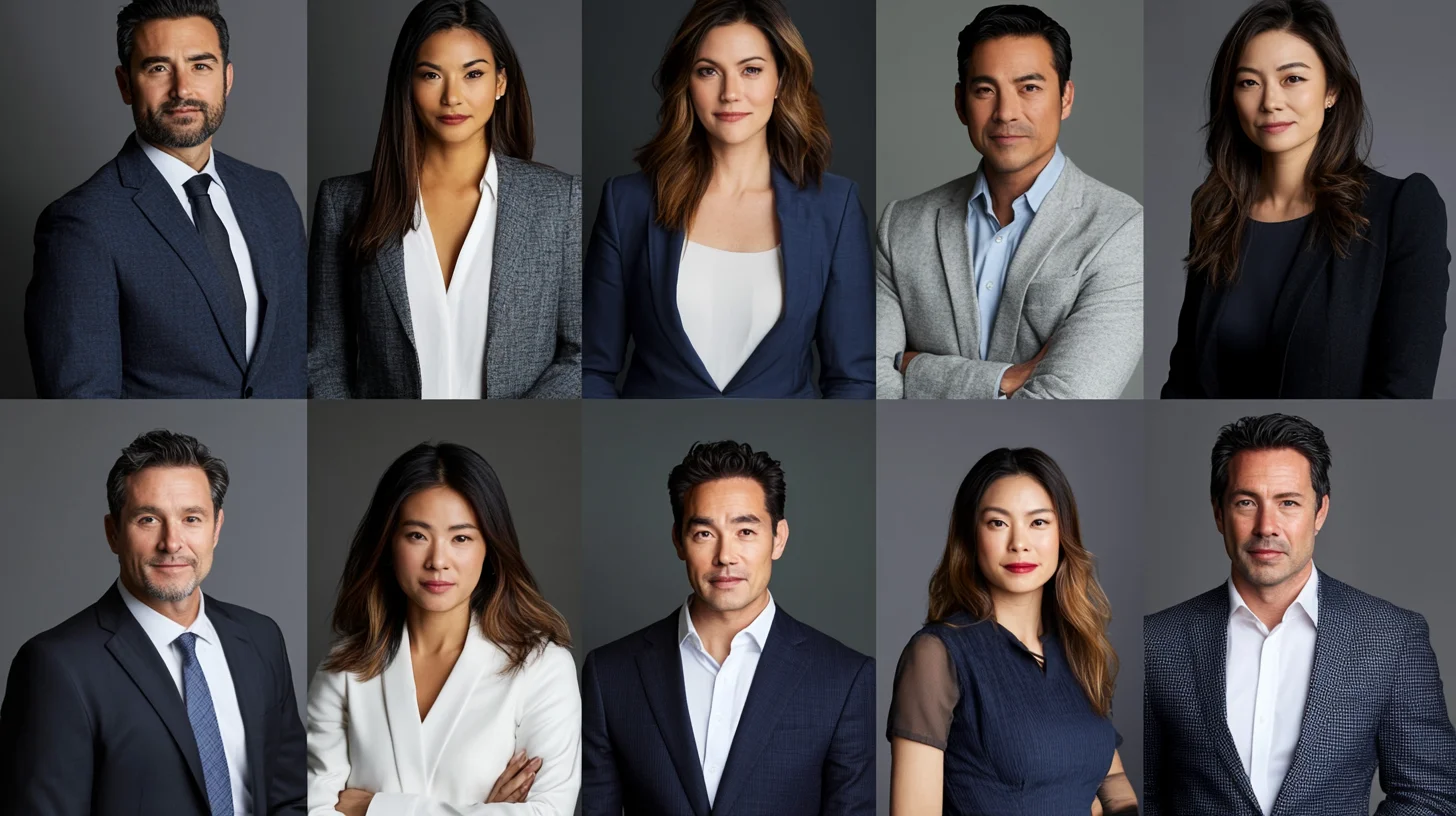
Professional Headshot Examples: What Makes Great Ones Stand Out

Headshots
AIA Boston Directory Headshot Requirements
Headshots
How to Choose a Boston Headshot Photographer
You Might Also Like
About the Author
Chris McCarthy
Chris McCarthy has run Photography Shark Studios in Rockland, MA for over 10 years and 500+ sessions, with executive headshot work for Rockland Trust, Clean Harbors, M&T Bank, and McCarthy Planning; founder portraits for AI startups including Lowtouch.ai; product photography for South Shore brands like Lauren's Swim; and headshots across South Shore legal, medical, financial, and academic practices. Every session is personally shot and edited by Chris on Sony mirrorless and Godox strobe systems — no assistants, no outsourcing, no batch retouching. Galleries deliver in 3–5 business days. About the photographer →
Photography Shark · Boston & South Shore MA
Ready to Book a Session?
Professional headshots, senior portraits, boudoir, and model portfolios. Studio in Rockland, MA — 25 miles south of Boston. Sessions from $395.