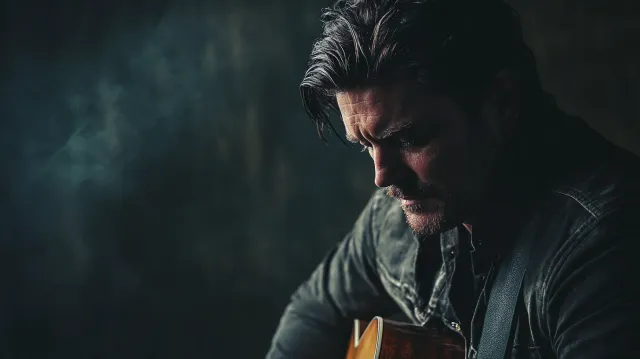
Headshots
Musician Headshots and Press Photos: A Guide for Artists
What musician headshots and press photos are, where they get used, how genre shapes the look, what to wear, and how solo and band sessions work — a studio guide for performing artists.
Chris McCarthy
Professional Photographer, Photography Shark · May 28, 2026 · Updated September 13, 2026
A musician headshot is a professional portrait built to express genre and identity as much as likeness — used for press kits, streaming profiles, posters, social media, venue listings, and media coverage. Where a corporate headshot aims for neutral professionalism, a musician's portrait does the opposite: the lighting, wardrobe, and mood are deliberately chosen to sound like the music looks. This guide covers what musician headshots and press photos are, where they get used, how genre shapes the look, what to wear, and how both solo and band sessions work in the studio.
Performing artists are presented to the world through an image before a single note plays — on a playlist, a poster, a feed. Getting that image right is part of the craft.
If you already know what you need and want the session details, musician headshots and band press photos in Boston has the formats and pricing — solo sessions, full press kit sessions, and band sessions with individual portraits included. Bands staging a group shoot should read band press photos; if you are assembling a press folder, EPK photos covers what bookers and press actually need. Otherwise, read on.
Headshot vs. Press Photo: You Need Both
Musicians use two related but distinct images, and it helps to be clear about the difference.
The headshot is the cleaner, closer portrait that shows your face clearly. It's what goes on a streaming profile, a bio, a venue's artist listing, a press contact page. Its job is recognition and a quick read of who you are.
The press photo is the wider, more atmospheric promotional image — it sets a mood, often includes your instrument, an environment, or the full band, and carries the visual identity of a release or a tour. It's what runs with a feature, anchors an EPK, or becomes a gig poster.
Most artists need both, which is why a good session captures a clean face-forward headshot and one or two press-style frames with more atmosphere. You'll reach for different ones depending on whether you're filling a tiny thumbnail or a full-page feature.
Where These Photos Get Used
The reason image quality matters so much for musicians is reach. A single portrait travels across:
- Streaming profiles — Spotify, Apple Music, Bandcamp, SoundCloud artist pages
- Your EPK — the electronic press kit bookers and media request
- Social media — profile images and announcement posts
- Venue and festival listings — often pulled directly from your EPK or socials
- Posters, flyers, and gig promotion
- Press and blog features
- Release artwork — singles, albums, playlists
Because the same image has to work both large (a printed poster) and small (a circular streaming thumbnail), it needs strong, clear composition and a face that reads at any size. That's a technical bar casual photos rarely clear.
Genre Drives the Look
This is what separates musician portraiture from every other kind of headshot: the aesthetic should match the music. A great musician photo for one genre would be wrong for another. A few broad patterns:
- Singer-songwriter / folk / indie — warm, natural, textured. Softer light, relaxed wardrobe, often an intimate or environmental feel.
- Jazz / classical — refined and timeless. Controlled lighting, elegant wardrobe, often black-and-white or richly toned; poise and sophistication.
- Rock / punk / metal — higher contrast, more edge. Dramatic lighting, stronger shadows, attitude in the expression and wardrobe.
- Hip-hop / R&B — bold and stylish. Confident posing, intentional fashion, often saturated color or strong directional light.
- Country / Americana — grounded and authentic. Natural tones, texture, an honest and approachable presentation.
- Pop / commercial — bright, polished, high-energy. Clean light, vivid color, magazine-finished.
None of these are rules so much as starting points — your identity as an artist is specific, and the best sessions begin with a conversation about how you want to be perceived. The point is that "make it look good" isn't enough; it has to look like you and sound like your work.
Studio vs. Environmental
Both approaches have a place, and many artists use a mix.
Studio gives complete control over light and background — ideal for a clean headshot, a strong genre-driven portrait, and consistent results regardless of weather or location. It's the most reliable way to produce an image that works across every use. My Rockland studio is built for exactly this kind of controlled, genre-tuned portraiture.
Environmental places you in a setting that reinforces your identity — a venue, an urban backdrop, a textured interior. It adds atmosphere and story to a press photo, at the cost of some control. For artists who want a signature press image with a sense of place, an environmental frame complements the clean studio headshot. The broader principles of environmental portraiture are covered in the industry headshot examples guide.
A common, efficient approach: shoot the clean headshot and the genre portrait in the studio, then add an environmental press frame if the concept calls for it.
What to Wear
Wardrobe carries an outsized share of a musician's visual identity, so it's worth real thought. The guiding idea: an elevated version of your stage self, not a costume.
- Signal the genre through texture, cut, and color rather than literal props.
- Bring two or three looks so you leave with range — a cleaner one and one with more attitude.
- Fit matters more than expense. Well-fitted simple pieces beat expensive ill-fitting ones on camera.
- Be intentional with logos and patterns — they can date an image fast or distract at small sizes. Use them on purpose or not at all.
- Accessories and instruments can be part of the frame, especially for press photos, but keep the headshot itself face-forward and uncluttered.
Because the photo doubles as your brand, it's worth thinking about it the way any public figure thinks about personal branding photography — consistent, intentional, and aligned with how you want to be known.
Solo vs. Band Sessions
Solo artists get the full focus on identity and expression — the session can chase a very specific mood and deliver a tight, cohesive set.
Bands add a coordination challenge. A strong band photo reads as one identity while giving each member presence:
- Cohesive wardrobe palette so the group looks intentional, not random.
- Deliberate spacing and varied heights/poses so it's not a flat lineup.
- Group frames plus individual portraits in the same session — bands need both for different uses.
- Direction on grouping and expression so the energy matches the music rather than freezing into a stiff row.
Band sessions run longer and benefit from planning the looks and concept in advance. The staging decisions behind a group frame — depth, height variation, who anchors the composition — are covered in detail in band press photos, and the band session format covers group frames plus an individual portrait for every member in one visit.
Expression and Mood
The expression in a musician photo is wider-ranging than in a corporate headshot. Depending on genre and concept it might be intense, contemplative, joyful, cool, or warm. What stays constant is authenticity — it should feel like a real moment, not a held pose. A photographer who directs in real time and builds rapport will catch the in-between expressions that read as genuine, which is where the strongest, most usable frames live.
How Often to Update Your Press Photos
Press photos age faster than corporate headshots because they're tied to your current era as an artist. Plan to refresh them:
- Around each major release — a new album, EP, or single is the natural moment for a new visual identity, and media will want current images to run with coverage.
- When your sound or look evolves — if the music has shifted, the photos should signal it.
- When you add or lose band members — group photos need to stay accurate.
- Every couple of years at minimum, even mid-cycle, so your streaming profiles and EPK never look dated.
Treat a session as building a library, not capturing a single image: a clean headshot, a genre portrait, an atmospheric press frame, and — for bands — group plus individual shots. That range means you're never scrambling for the right asset when a venue, playlist editor, or journalist asks for one on deadline.
Common Mistakes
The recurring problems that weaken a musician's photos:
- Generic corporate look that doesn't match the music at all.
- Phone selfies or live-show crops standing in for a real portrait — poor light, distortion, and a face that doesn't read at small sizes.
- Outdated images that no longer match your current look or sound.
- One image for everything — no clean headshot and press photo, so neither slot is served well.
- Wardrobe that's a costume rather than an elevated, authentic version of your identity.
- Low resolution that falls apart on a poster.
How a Musician Session Works at Photography Shark
A musician session at Photography Shark starts with a conversation about your genre, your influences, and how you want to be perceived. From there we build the looks: a clean, face-forward headshot for profiles and listings, a genre-driven studio portrait that captures your identity, and — if the concept calls for it — an environmental or atmospheric press frame. For bands, we plan group setups and individual portraits in one visit. I direct lighting, posing, and expression to match the mood of your music, and deliver a set with conservative, genre-appropriate retouching and multiple crops sized for streaming, social, print, and press. The studio is in Rockland, MA, an easy drive from Boston and the South Shore — or you can find a studio near you if you're farther out.
Ready to Book?
Get in touch to schedule a session, or see full formats and pricing on the musician headshots and band press photos page. Photography Shark is in Rockland, MA — about 35 minutes south of Boston, with free parking and ground-floor load-in. Solo Artist Session $495, Artist Press Kit Session $795, Band Session $1,095 for up to five members.
Related reading: Band press photos · EPK photos · Studio headshots and portraits · Industry headshot examples with lighting breakdowns · Personal branding photography · Studio photo shoot sessions
Also relevant: audition headshots for dancers.
Frequently Asked Questions
What is a musician headshot or press photo?
A musician headshot is a professional portrait of an artist used for press kits, streaming profiles, social media, posters, venue listings, and media coverage. Unlike a corporate headshot, it's built to express genre and identity as much as likeness — the lighting, wardrobe, and mood are chosen to match the music. A "press photo" usually refers to the wider, more atmospheric promotional image, while the headshot is the cleaner face-forward portrait; most artists need both.
What should musicians wear for press photos?
Wear what reads as an elevated version of your stage identity — clothing that signals your genre without becoming a costume. A singer-songwriter might wear relaxed, textured layers; a jazz or classical artist something refined; a rock or hip-hop artist something with more edge. Favor solid or intentional pieces over busy logos, bring two or three looks, and make sure everything fits well, since wardrobe carries a lot of the visual identity in a press image.
What is the difference between a headshot and a press photo for a musician?
A musician headshot is the cleaner, closer portrait that shows your face clearly — used for profiles, bios, and listings. A press photo is the wider, more atmospheric promotional image that sets a mood and often includes environment, instrument, or band — used for features, posters, and EPKs. They serve different slots in your promotion, so a good session captures both a clean headshot and one or two press-style frames.
Where do musician press photos get used?
Everywhere your music is presented: Spotify and Apple Music artist profiles, your EPK (electronic press kit), Bandcamp and SoundCloud, social media, festival and venue listings, gig posters and flyers, press and blog features, and album or single artwork. Because the same image travels across all of those, it needs to work both large (a poster) and small (a streaming thumbnail).
How do you take a good band photo?
A strong band photo balances the group as a unit while giving each member presence — deliberate spacing, varied heights and poses, and a cohesive wardrobe palette so the group reads as one identity. Lighting and location are chosen to match the genre, and the photographer directs grouping and expression so it doesn't look like a stiff lineup. Most bands shoot both group frames and individual portraits in the same session.
Do solo musicians need a professional headshot?
Yes. Streaming platforms, press, venues, and playlists all present you through an image before anyone hears a note, and a professional portrait signals that you take your career seriously. A current, genre-appropriate headshot and press photo make you look established and give bookers and media ready-to-use assets, which makes it easier for them to say yes and to feature you well.
Related Posts
![AI Headshot Generators vs Professional Headshots: Complete Guide [2026]](/blog/ai-headshots-vs-professional-headshots-w640.webp)
You Might Also Like
About the Author
Chris McCarthy
Chris McCarthy has run Photography Shark Studios in Rockland, MA for over 10 years and 500+ sessions, with executive headshot work for Rockland Trust, Clean Harbors, M&T Bank, and McCarthy Planning; founder portraits for AI startups including Lowtouch.ai; product photography for South Shore brands like Lauren's Swim; and headshots across South Shore legal, medical, financial, and academic practices. Every session is personally shot and edited by Chris on Sony mirrorless and Godox strobe systems — no assistants, no outsourcing, no batch retouching. Galleries deliver in 3–5 business days. About photographer Chris McCarthy →
Photography Shark · Boston & South Shore MA
Ready to Book a Session?
Professional headshots, senior portraits, boudoir, and model portfolios. Studio in Rockland, MA — 25 miles south of Boston. Sessions from $395.