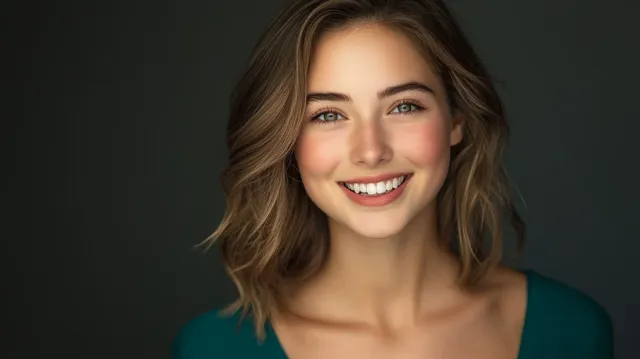
Headshots
Commercial Dance Headshots: What Agents and Casting Want
Commercial and contemporary dance headshots — how they differ from classical, what dance agencies submit, wardrobe and expression, and the type question that decides the whole image.
Chris McCarthy
Professional Photographer, Photography Shark · August 22, 2026
A classical headshot asks "what is this dancer's instrument?" A commercial headshot asks "who is this person, and would I want them on set for fourteen hours?" Those two questions produce almost opposite photographs, and the most common mistake in commercial dance submissions is bringing a classical image to a commercial market.
I photograph dancers at a studio in Rockland, MA, 35 minutes south of Boston. This page covers commercial and contemporary work specifically — agency submissions, casting breakdowns, conventions, tours, and industrials. The main dance headshots guide covers the fundamentals across all genres, and the ballet guide covers the classical end.
If you know your type and just need the shoot, dance headshots and audition photos in Boston has the formats and pricing — commercial and theatrical looks shot in one session. Otherwise, read on.
Type Is the Whole Question
Commercial casting works through breakdowns: a client needs eight dancers who read as early-twenties, athletic, street, urban energy, or warm, approachable, family-friendly, mid-twenties to thirties, or high-fashion, editorial, striking. An agent scanning their roster for that breakdown is looking at a grid of thumbnails and making fast decisions.
So before anything about lighting or wardrobe, the useful question is: what do you actually read as?
Not what you wish you read as, and not the full breadth of what you can do. Type is about first impression at small size, and dancers routinely resist it because it feels reductive. It is reductive. It is also the mechanism the industry uses, and a headshot that hedges across three types communicates none of them.
Most working commercial dancers land somewhere in a handful of broad territories:
- Warm and commercial — approachable, bright, the lead in a product spot or a family-facing campaign
- Street and urban — sharper, more attitude, hip-hop and music-video facing
- Editorial and high-fashion — striking, angular, more restrained expression
- Athletic and energetic — fitness, sports, high-energy industrial work
- Theatrical and character — expressive, musical-theatre facing
You are not locked into one. But your primary headshot should commit to the one you book most, and the secondary looks in your set can reach toward the others. An agent will pick which to submit.
What Changes Versus Classical
| Element | Classical | Commercial |
|---|---|---|
| Hair | Clean bun, neck exposed | Styled as you wear it — loose, textured, natural |
| Wardrobe | Black leotard, clean neckline | Fitted, saturated color, more variety |
| Expression | Calm, still, present | Open, warm, energetic; genuine smile in the lead image |
| Lighting | Even, describes bone structure | More shape and contrast, strong catchlights |
| Background | Neutral grey, recedes completely | Neutral to warm, occasionally a hint of environment |
| Crop | Head and shoulders, symmetrical | Slightly looser, some asymmetry acceptable |
| Retouching | Conservative — structure preserved | Conservative — but skin and color polished more |
The through-line, and it survives both columns: the photo has to look like you. Commercial casting brings people into a room based on the image, and a dancer who arrives looking materially different from their headshot has burned the booking and some of the agent's credibility. Polish is fine. Reinvention is not.
Wardrobe That Works
Commercial headshots want color, and this is the single biggest visible difference from classical work.
What works:
- Solid, saturated color — deep teal, burgundy, mustard, rust, forest green, strong blues
- Fitted cuts that show your frame; commercial work cares that you read as a dancer
- Simple necklines: crew, scoop, modest V, a clean tank
- A structured jacket or shirt over a plain tee for a second, sharper look
- Texture in the fabric rather than pattern — a ribbed knit reads better than a print
What does not:
- Busy patterns and stripes, which alias badly at thumbnail size
- Large logos and brand marks, which can be a genuine clearance problem
- Anything ill-fitting; loose clothing hides the frame and reads as unconsidered
- Pure white next to bright studio light, which tends to blow out
- Aggressively trend-specific pieces that will date the photograph within a year
Bring three to five options and we will pull the two or three that work against your coloring. Most dancers arrive with a favorite piece that photographs worse than something they nearly left at home.
Expression and Energy
The commercial lead image needs a genuine, eye-reaching smile. Not a posed grin — the difference is visible in the eyes and everyone can see it, including at thumbnail size.
Producing one on demand is a directing job. Being told to smile produces a mouth shape; being kept talking and shot through the real reactions produces the thing casting responds to. If a photographer sets the lights and then says "great, smile," you will get the mouth shape.
For the secondary looks:
- Grounded and neutral. Eye contact, no smile, settled. Covers contemporary and dramatic submissions.
- Sharper energy. More attitude in the jaw and eyes, chin fractionally lower. Covers street and music-video work.
- Contemporary. More interior, softer focus in the expression, often the strongest frame in the set for concert-dance submissions.
What Agencies Actually Want
A dance agency submission package is typically:
- Primary commercial headshot — current, warm, clearly typed
- A second look — usually the grounded or sharper version
- Full body in fitted clothing — honest about build; agents need this and dancers under-supply it
- Dance reel — usually 60 to 90 seconds, strongest material first
- Resume — training, credits, choreographers, special skills, and honest measurements
Requirements differ by agency and are published on their sites. Send what each one asks for rather than an identical package to all of them; the mismatch is noticed.
The full-body shot is worth calling out. It is the most commonly omitted item and one of the most frequently requested. Shoot it in the same session as the headshot — same lighting, same day, consistent set. A studio session covers headshot looks and full-body images in one visit, which is both cheaper and more coherent than stitching a package together over two years.
Contemporary Specifically
Contemporary and concert-dance submissions sit between the two poles and are frequently mishandled in both directions.
Bringing a bright commercial smile to a contemporary company submission reads as tonally wrong. Bringing a classical bun-and-black-leotard image reads as if you have not looked at the company's work. What contemporary companies generally respond to is a photograph with the honesty of a classical headshot and the humanity of a commercial one: simple muted wardrobe, hair as you wear it, lighting with some shape, and an expression that is present and interior rather than performed.
If you are submitting to both commercial and contemporary work — which most dancers in this market are — that is exactly why the set needs at least two looks.
When to Update
- Any meaningful change in hair color or length
- Any significant change in look or physique
- A shift in the type you are booking, or the type you are targeting
- Twelve to eighteen months, as a default
- New agency representation — agents frequently want new images that fit how they intend to sell you
Commercial images date faster than classical ones. Styling, color grading, and retouching conventions move, and a headshot that reads as five years old works against you in a grid of current submissions.
Booking a Session
A commercial dance session at Photography Shark covers two to three looks with wardrobe and lighting changes between them, expression directed throughout rather than left to you, and full-body images added if you need them for agency submission. You leave with fully retouched images, multiple crops sized for agency portals, casting databases, and social profiles, and full personal use. Sessions start at $395.
For what a session covers and what it costs, see audition headshot sessions in Rockland. The studio is in Rockland, MA — an easy drive from Boston, Quincy, Hingham, Braintree, Weymouth, and the wider South Shore. Get in touch or call (781) 312-8824.
Free download: free 15-page dance headshot guide — what auditions ask for, dancewear, hair and makeup, and submission sizes in one PDF.
Related reading: Dance headshots: the full guide · Dance headshot examples · Ballet headshots · Dance audition headshots: what to submit · Model portfolio photography · Actor headshots in Boston
Frequently Asked Questions
What is a commercial dance headshot?
A headshot for dancers working in commercial jobs — music videos, tours, television, industrials, commercials, cruise and theme park contracts, and convention work. It is personality-first rather than structural: warmer expression, more wardrobe color, looser hair, and framing that reads as approachable. It is the image a dance agency submits when a casting call goes out, so it has to communicate type quickly at thumbnail size.
How is a commercial dance headshot different from a ballet headshot?
Nearly opposite in emphasis. A ballet headshot is restrained — hair in a bun, black leotard, still expression, even light describing bone structure. A commercial headshot is expressive — hair styled as you would wear it, color in the wardrobe, an open and energetic expression, and lighting with more shape and contrast. Classical panels are reading line and structure. Commercial casting is reading personality and type.
What should a commercial dancer wear for headshots?
Fitted, solid, saturated color that suits your skin tone — jewel tones and clean brights photograph well and help you stand out in a grid of submissions. A fitted tee, a simple tank, a scoop or crew neck, or a structured jacket over a plain top. Bring two or three options for different looks. Avoid busy patterns, large logos, anything that fits poorly, and anything so trend-specific it will date the photo in a year.
Do commercial dancers need more than one headshot?
Usually two or three looks. A warm, open commercial look is the primary image. A second, more grounded or edgier look covers dramatic and contemporary submissions. Some dancers add a third for a specific niche — theatrical, high-fashion, or family and lifestyle work. Agencies like having range on file because they submit different images to different breakdowns.
What do dance agencies want in a submission?
A current commercial headshot, a full-body shot in fitted clothing that shows your build honestly, a dance reel, and a resume covering training, credits, and skills. Some ask for a second headshot look. Agency requirements are published on their sites and they differ, so check each one rather than sending an identical package everywhere.
Should you smile in a commercial dance headshot?
In the primary look, yes — a genuine, eye-reaching smile. Commercial work is overwhelmingly about being someone a client wants on set for a long day, and warmth communicates that faster than anything else in the frame. Keep a non-smiling look in the set as well for dramatic and contemporary submissions, but lead with the warm one.
How is a contemporary dance headshot different again?
Contemporary sits between classical and commercial. The expression is generally more interior and less overtly bright than a commercial headshot, the wardrobe is simpler and more muted, and the lighting often carries more shape and shadow. It should still read as a person rather than a structure, but the energy is grounded rather than sunny.
Related Posts

You Might Also Like
About the Author
Chris McCarthy
Chris McCarthy has run Photography Shark Studios in Rockland, MA for over 10 years and 500+ sessions, with executive headshot work for Rockland Trust, Clean Harbors, M&T Bank, and McCarthy Planning; founder portraits for AI startups including Lowtouch.ai; product photography for South Shore brands like Lauren's Swim; and headshots across South Shore legal, medical, financial, and academic practices. Every session is personally shot and edited by Chris on Sony mirrorless and Godox strobe systems — no assistants, no outsourcing, no batch retouching. Galleries deliver in 3–5 business days. More about the photographer →
Photography Shark · Boston & South Shore MA
Ready to Book a Session?
Professional headshots, senior portraits, boudoir, and model portfolios. Studio in Rockland, MA — 25 miles south of Boston. Sessions from $395.